Flea and Tick Activity Usually Builds from the Outside In
A lot of homeowners think flea and tick problems begin in the middle of the yard.
That is usually not how the pattern starts.
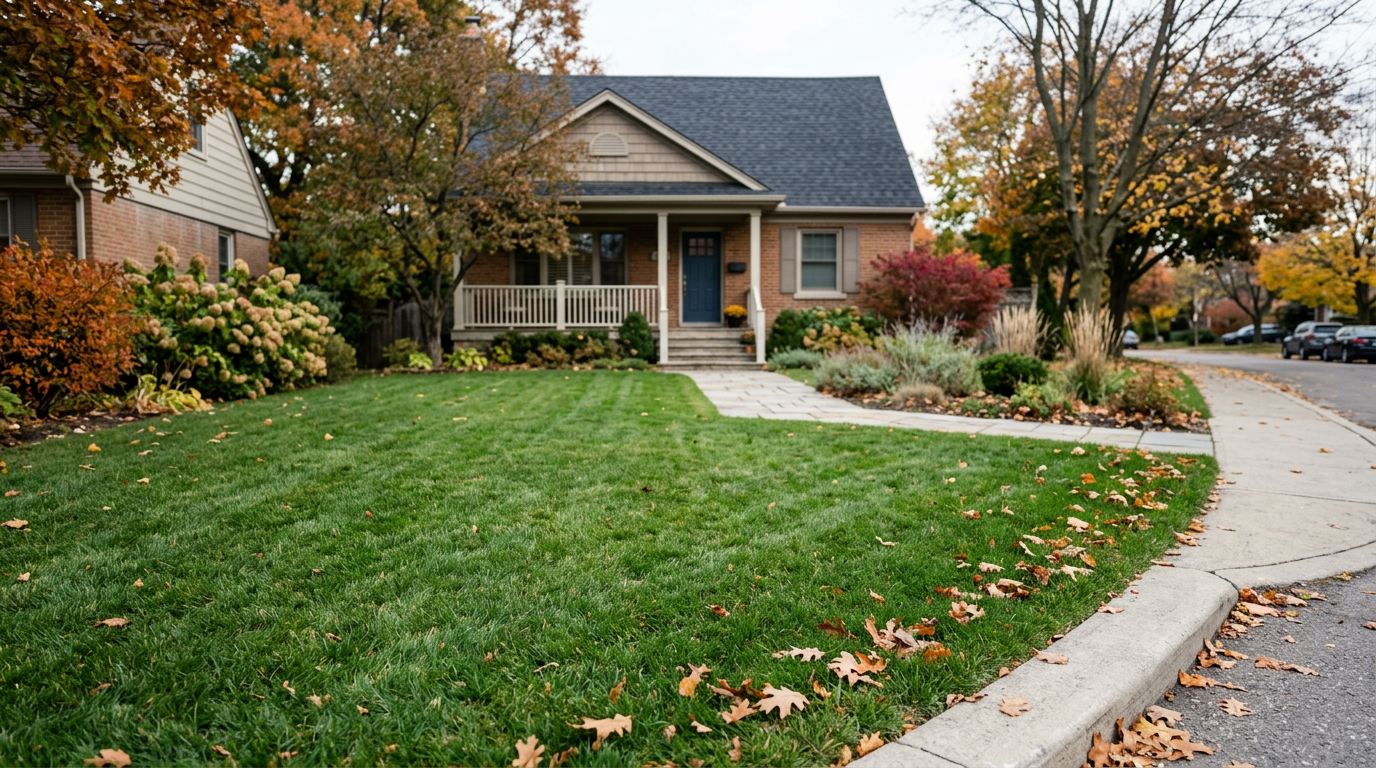
In many cases, flea and tick activity begins around the outer parts of the property first. The pressure tends to build along tree lines, fence rows, landscape beds, wooded borders, overgrown edges, and transitional areas where the maintained lawn meets heavier cover. By the time the issue feels like it is affecting the whole yard, the activity often started at the edge and gradually worked inward.
That matters because it changes how the property should be read.
If flea and tick pressure is treated like a random whole yard problem from the start, it is easier to miss where the activity is actually building. But when the property edge is understood as the first zone of concern, the pattern becomes much easier to recognize.
Property edges usually create the right kind of cover first
Fleas and ticks do not build evenly across a property.
They tend to favor the parts of the yard that give them more protection, more moisture retention, and more cover from direct sun and open exposure. That is why the outer edge of the property is often the first place activity starts building. These zones usually have denser vegetation, less disturbance, more shade, and more overlap with the surrounding environment than the middle of the lawn.
That difference matters.
A maintained open lawn is usually a less favorable starting point than a sheltered border where plant growth is thicker and conditions stay more stable. The edge creates a softer transition between the managed yard and the more natural surrounding environment, which is exactly where flea and tick pressure often starts gaining traction.
Tree lines and wooded borders are common starting points
One of the clearest examples of outside in pressure is the tree line.
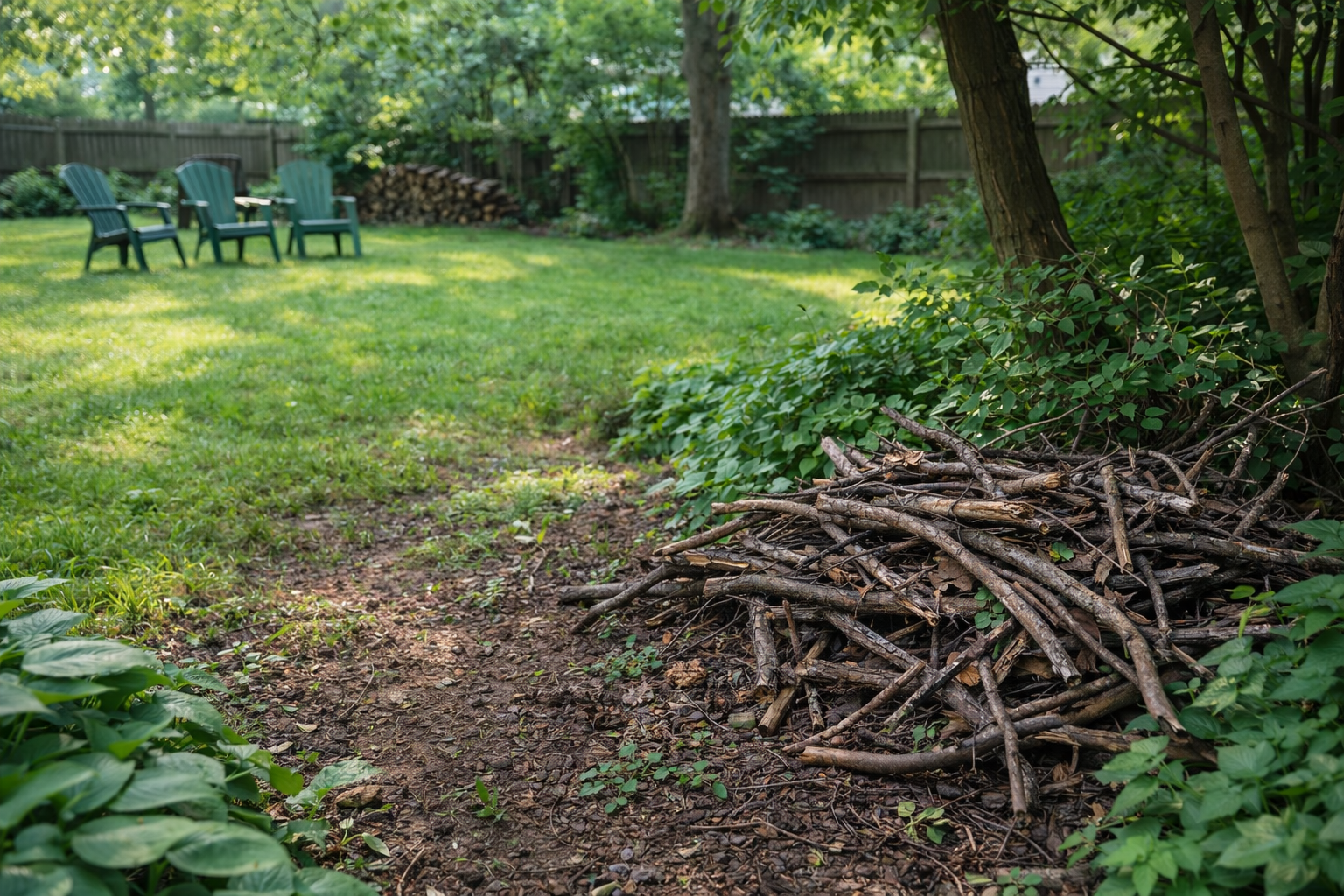
When a property backs up to woods, brush, unmanaged neighboring growth, or a dense natural border, that edge often becomes the first active zone. It has more shade, more ground cover, more protected moisture, and more wildlife movement than the interior lawn. That creates a more supportive environment for flea and tick activity to begin building.
This is especially relevant on properties around the greater Rochester area, where many lawns border mature trees, wooded edges, or mixed natural cover.
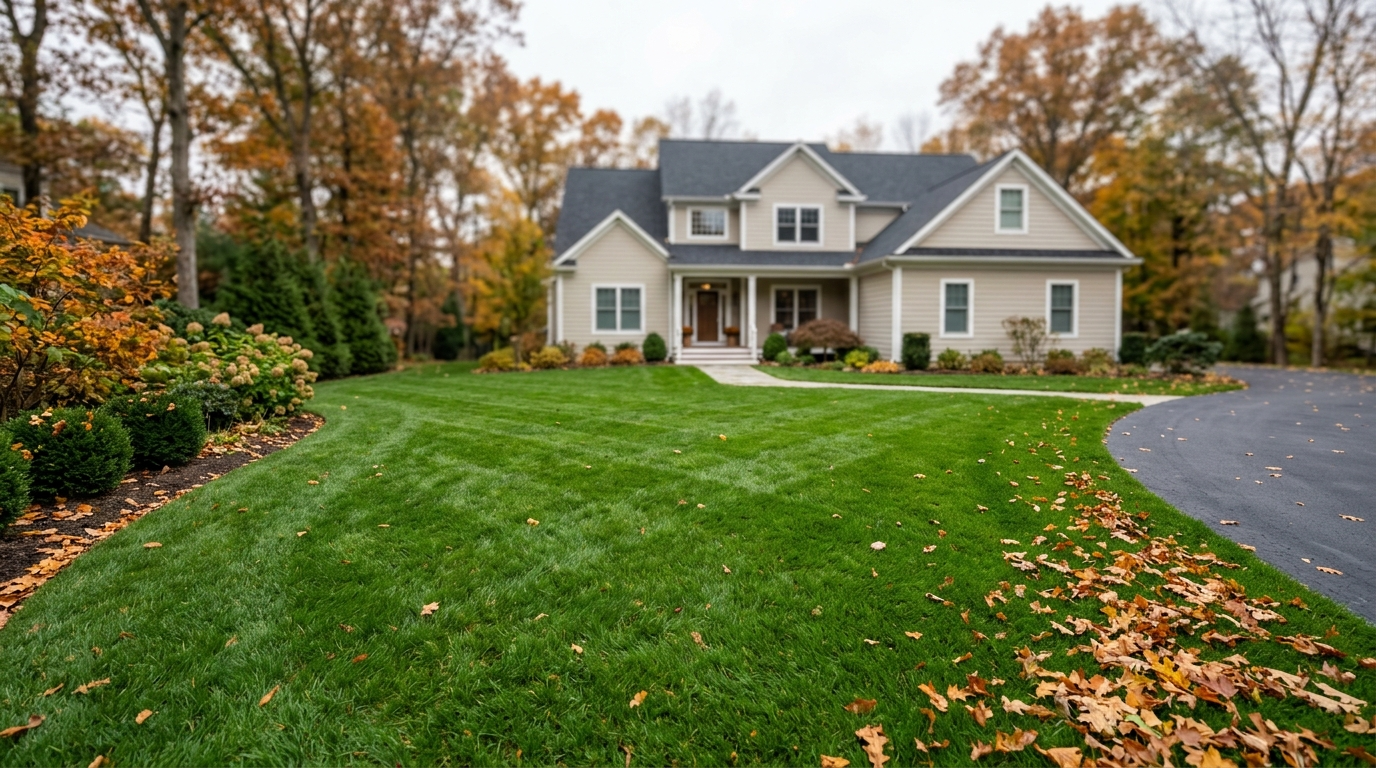
The maintained turf may look clean and open, but the pressure does not need to start there. It often begins just beyond or just inside the border where the yard meets heavier vegetation.
That is why the edge deserves more attention than homeowners usually give it.
Flea and tick pressure often follows wildlife movement
Another reason activity starts at the property edge is movement.
Fleas and ticks are often introduced and supported through animals moving along the borders of a property. That may include deer, small mammals, neighborhood pets, or other wildlife that travel through tree lines, fence edges, planting beds, or brushy transition zones. Those movement patterns tend to stay near the perimeter more than the center of the lawn.
That means the pressure is often connected to how the property interacts with the space around it.
The yard does not exist in isolation. If the outer edge creates an easy path for wildlife movement, flea and tick activity has a more natural place to begin building. By the time that pressure becomes noticeable closer to outdoor living areas, the starting point may have been established along the perimeter for quite a while.
Shaded edge conditions usually stay favorable longer
The property edge often holds onto the kind of conditions fleas and ticks prefer.
These zones usually have more shade, thicker plant cover, and less direct drying from sun and airflow. That allows moisture to hold longer and creates a more protected environment than open turf in the middle of the yard. Even when the central lawn feels bright and exposed, the edge may still be functioning very differently.
That contrast is important.
A homeowner may judge the property by how the open lawn looks and assume the whole yard is relatively dry and low risk. But flea and tick activity often depends more on the sheltered edge conditions than the middle of the grass. If the perimeter is quiet, shaded, and less disturbed, pressure can start building there well before it feels obvious elsewhere.
Landscape beds and border plantings can contribute too
The property edge is not always a wooded border.
Sometimes it is a row of shrubs, dense ornamental beds, heavier foundation planting, or a side yard that stays more protected than the rest of the lawn. These areas may not look wild, but they can still create the same general effect. More cover. More shade. More retained moisture. Less open exposure.
That is why flea and tick pressure can start along maintained edges too.
The issue is not whether the border looks neglected. The issue is whether it creates a more protected environment than the rest of the property. If it does, that zone can become an early activity area even when the lawn itself looks orderly and well kept.
Open lawn usually becomes part of the problem later
This is where the outside in pattern becomes easier to understand.
The open lawn is not always where flea and tick activity starts building, but it often becomes the part homeowners notice once the pressure expands. The middle of the yard feels like the problem because that is where people spend time, where pets move freely, and where outdoor use makes the issue more obvious.
But the pattern often began before that.
The edge created the conditions. The border supported the early activity. The pressure then became more noticeable as movement, spread, and property use made it easier to encounter.
That is why treating the center of the yard as the starting point can be misleading. It is often just the place where the problem became harder to ignore.
The edge of the property is often less disturbed
Another reason flea and tick activity builds from the outside in is that the perimeter usually experiences less interruption.
The middle of the lawn gets walked on, mowed through, used more regularly, and exposed to more sun and airflow. The outer edge often does not. It tends to be quieter, less trafficked, and less disrupted. That makes it a more stable zone for activity to hold and build.
This is one of the reasons the pattern can stay unnoticed for a while.
The pressure develops where people are not spending as much time looking or moving. Then, once activity spreads or outdoor use increases, the issue starts feeling more widespread than it actually was at the start.
Property edges can hold pressure even when the lawn looks clean
A common mistake is assuming a tidy lawn means low flea and tick risk.
But the condition of the open grass does not always tell the full story. A property can look well maintained in the center and still have edge conditions that support pressure. Clean mowing lines and open turf do not erase what is happening along the perimeter if the border is still shaded, dense, and favorable.
That is why edge awareness matters.
The property should be read as a whole, not judged only by the most visible or best maintained section. The flea and tick conversation often starts where the lawn meets cover, not where the lawn looks nicest.
The first warning signs are often easy to miss
Flea and tick pressure usually does not announce itself dramatically at first.
It often starts as a quiet pattern. A pet comes in from a certain side of the yard more often with an issue. One border area feels less comfortable to walk near. A child or guest spends time near the perimeter and the concern starts there. The whole yard may not feel affected yet, but the early pattern often points to the edges.
That is useful information.
It shows where the pressure is building before it becomes a broader property problem. The earlier that pattern is recognized, the easier it is to understand the lawn and landscape as a structure rather than just reacting once the whole yard feels compromised.
Outside in pressure usually follows recurring site conditions
If flea and tick activity keeps showing up the same way, that is usually not random.
The same tree line becomes the concern. The same back border feels higher pressure. The same side yard or planting edge seems to be where the issue begins. Those repeating patterns usually mean the property has recurring edge conditions that support activity year after year.
That matters because it shifts the mindset.
The issue is not just that fleas or ticks showed up again. The issue is that the property keeps creating an outer environment where that pressure can begin building. Once that is understood, the problem becomes easier to evaluate as a recurring site pattern instead of an unpredictable nuisance.
A whole property strategy still starts with the perimeter
This does not mean the rest of the yard is irrelevant.
It means the perimeter usually deserves stronger attention because it is often the first pressure zone. A structured flea and tick service should take the entire property seriously, but it should also respect the way the problem tends to build. The edge is often where the conditions start. That makes it the logical place to focus more deliberately.
This is the same basic principle that makes structured property care more effective overall.
Problems are easier to manage when the site pattern is understood early, not after the issue becomes more widespread.
Why this pattern is so common in the Rochester region
Properties in the Rochester region often have exactly the kind of layout that supports outside in buildup.
Many lawns back up to trees, wooded sections, heavier neighborhood borders, drainage edges, or dense landscaping that creates quiet transitional zones around the property. Those perimeter conditions can stay more sheltered and moisture friendly than the open lawn, especially during the active season.
That is why flea and tick pressure in this part of New York often follows the same general pattern.
The activity begins where the maintained property meets heavier cover, then becomes more noticeable once people, pets, and outdoor routines bring that pressure closer to everyday use areas.
What outside in flea and tick pressure is usually telling you
When flea and tick activity builds from the outside in, the property is usually showing that the perimeter is creating the first favorable conditions.
That may involve shade, moisture retention, wildlife traffic, dense vegetation, or a border that stays quieter and more protected than the rest of the lawn. The edge is not just part of the yard. It is often the area setting the pattern for what happens next.
That is why the starting point matters.
Once the perimeter begins supporting pressure, the problem can gradually become more noticeable deeper into the property. By then, the issue may feel widespread, but the structure behind it often started at the outside edge.
Why waiting until the whole yard feels affected puts the property behind
A lot of homeowners do not think much about flea and tick pressure until it feels broader.
That delay can be costly from a comfort and management standpoint. If the property is only addressed once the issue feels like it has moved beyond the perimeter, the edge conditions have often been active long enough to set the tone already.
A better approach is to read the property earlier.
If the edge consistently creates the first conditions for flea and tick activity, that should shape how the yard is evaluated and managed from the start. That is what helps the property stay more controlled before the issue begins shaping how the yard feels to use.
LawnLogic FAQ
Where do fleas and ticks usually start in a yard?
They often start around the edges of the property, especially near tree lines, wooded borders, dense landscaping, and other sheltered transition zones.
Why are the yard edges higher risk than the middle of the lawn?
The perimeter usually has more shade, more cover, more moisture retention, and more wildlife movement, which creates a more favorable environment for activity to begin.
Can flea and tick pressure build even if the lawn looks well maintained?
Yes. A property can look clean and open in the middle while the outer edge still creates conditions that support pressure.
Do wooded borders make flea and tick issues more likely?
They often do. Tree lines and wooded edges tend to provide the cover, movement paths, and environmental stability that help activity build more easily.
Get ahead of the pressure where it usually begins
If flea and tick activity keeps showing up around the outside of the yard first, the property is revealing a pattern worth paying attention to. LawnLogic helps evaluate and manage the edge conditions that often drive flea and tick pressure so the property can stay more comfortable, more controlled, and less reactive as the season moves forward.
Explore More About Managing Your Lawn
Continue building your understanding of how structured lawn care supports long-term stability.