The End of May Is the Last Quiet Moment of the Lawn Season
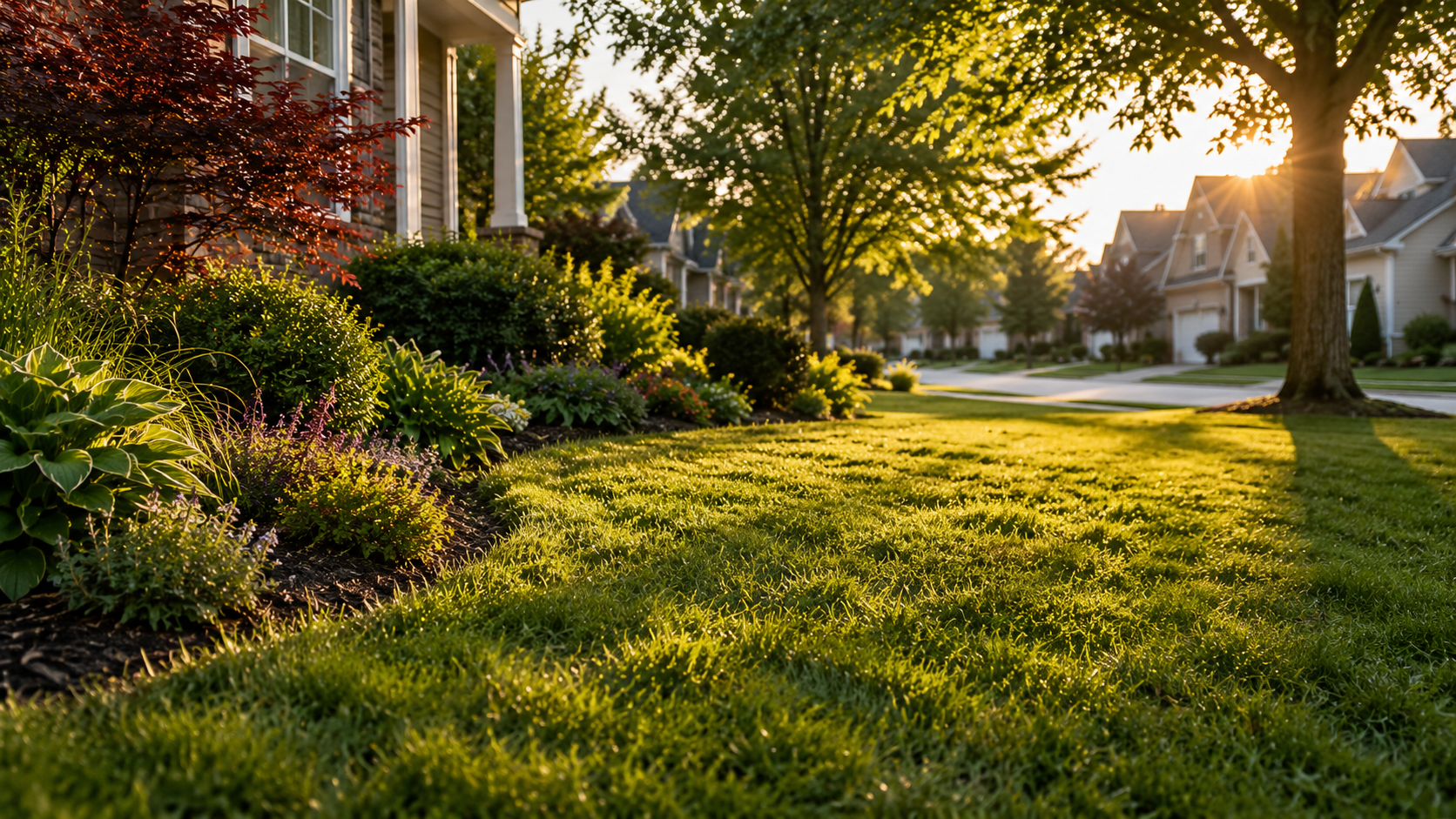
By the end of May, the lawn season feels like it has settled in.
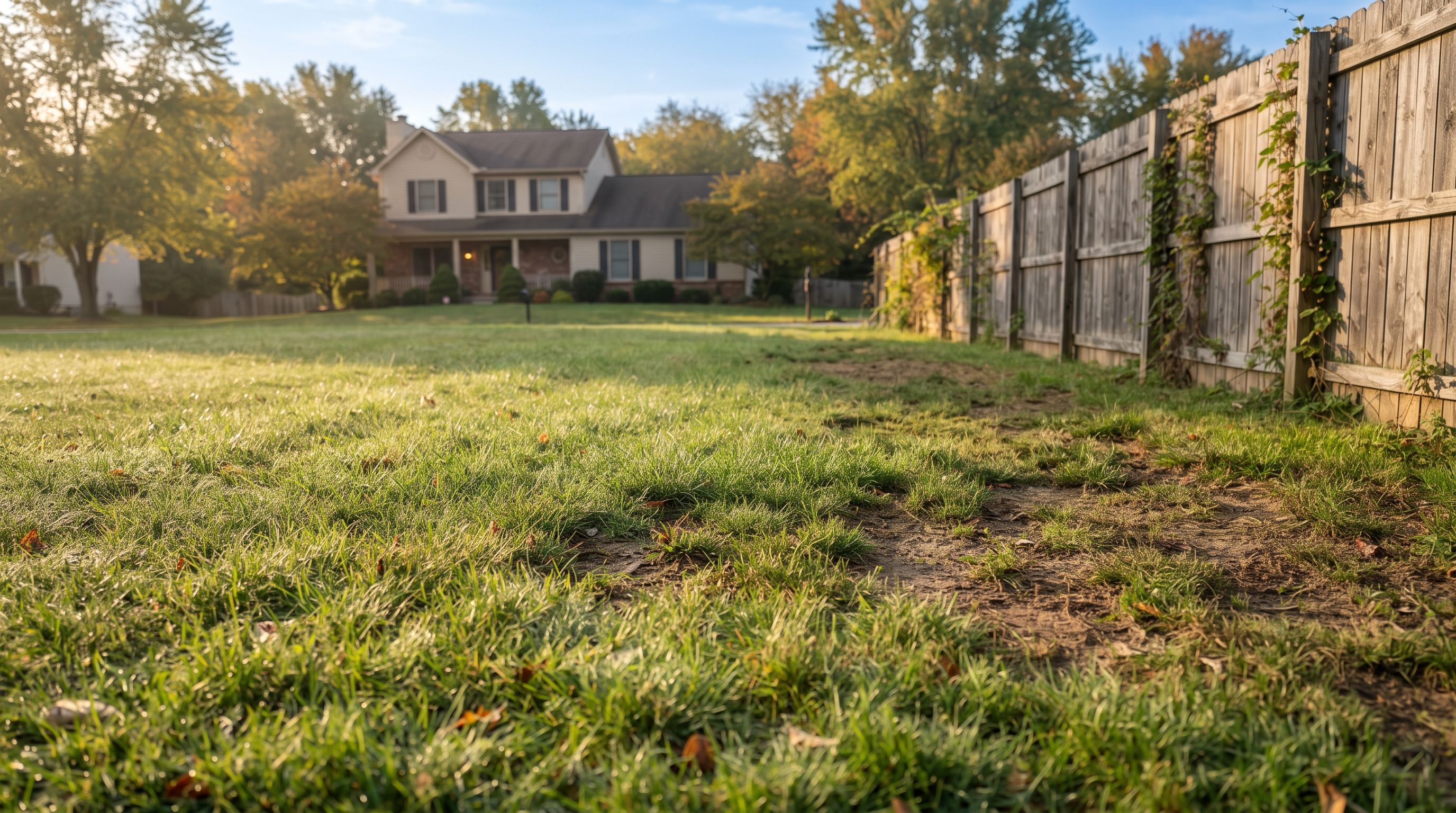
The grass is growing. Mowing has become routine. Weeds are easier to spot. Thin areas are no longer hidden by early spring delay. Most Rochester homeowners have had enough time to see how their lawn responded after winter.
But the season has not fully shifted into summer pressure yet.
That is what makes the end of May important.
It is the last quiet moment before the lawn starts facing a more demanding part of the year. The weather can still feel manageable.
Growth can still look active. Many lawns can still appear acceptable from the street. But the patterns that will shape June, July, and August are already forming.
For homeowners, this is the time to stop looking at the lawn as a spring cleanup project and start looking at it as a managed season.
May Reveals the Direction of the Lawn
May does not give every answer.
It does reveal direction.
By the end of the month, the lawn is usually showing whether it is moving toward better consistency or drifting into a more reactive season. Some lawns begin to even out. Others continue to show thin areas, spreading weeds, uneven growth, or weak sections that do not improve much after mowing.
That difference matters.
A lawn that is improving by the end of May is entering early summer from a stronger position. A lawn that is still uneven or weed heavy may be heading into a more difficult stretch, especially once warmer weather, heavier mowing, insect activity, and dry periods become part of the season.
This is not about judging the lawn on one day.
It is about recognizing the pattern before summer makes that pattern harder to correct.
The Lawn Has Had Enough Time to Be Honest
A lawn may look rough because it is still waking up. Wet soil, cold nights, leftover winter stress, and slow early growth can make even a well managed lawn look uneven.
May gives the lawn more time to show what is actually happening.
By the end of the month, homeowners can usually see whether weak areas are closing in or staying exposed. They can tell whether weeds are isolated or beginning to spread. They can see whether mowing improves the lawn’s appearance or makes inconsistency more obvious.
That honesty is useful.
It allows decisions to be made from observation instead of guesswork.
Fine Is Not Always Stable
One of the biggest mistakes homeowners make at the end of May is assuming that a lawn is in good shape because it looks fine enough.
Fine can be misleading.
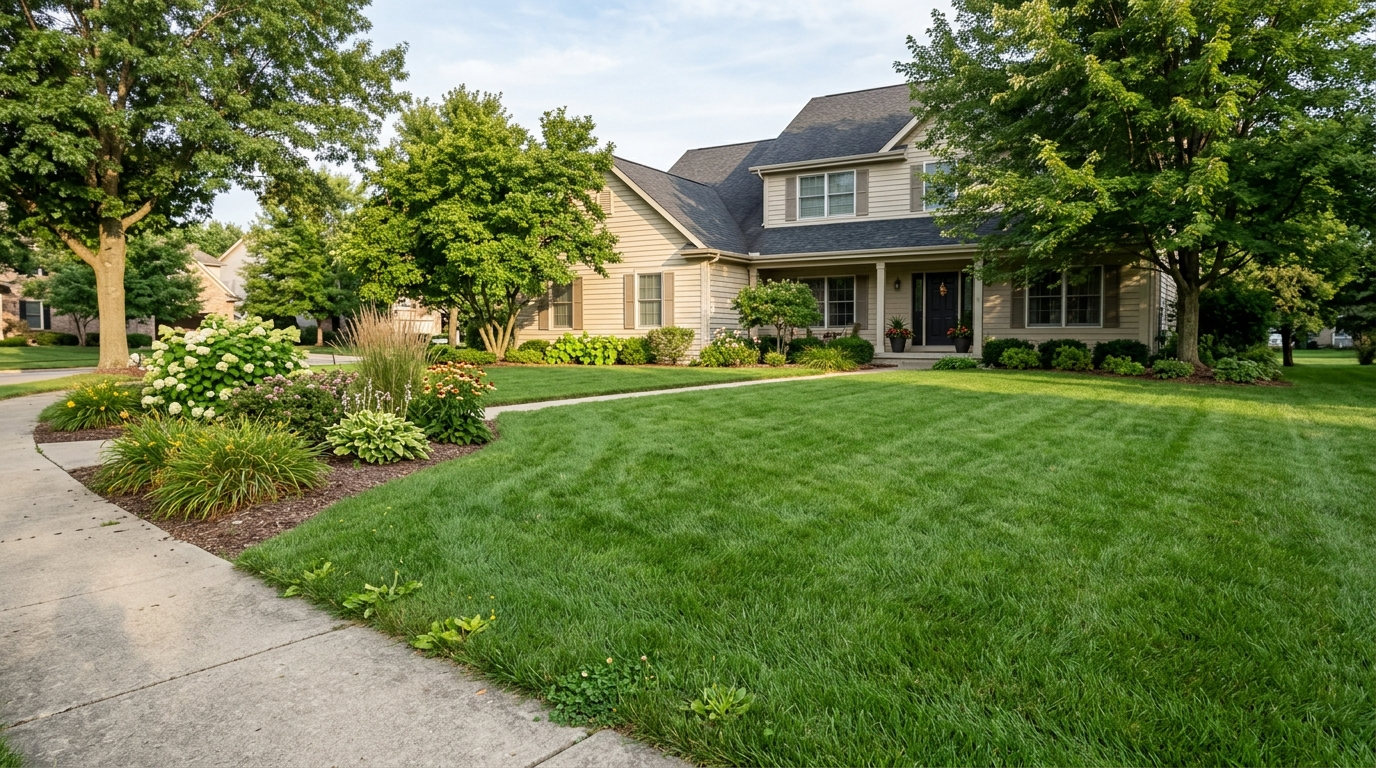
A lawn may be green and still thin. It may be growing and still uneven. It may look acceptable from a distance while weeds are beginning to fill open spaces. It may seem manageable now but lack the density and consistency needed to hold up later in the season.
LawnLogic looks beyond the surface condition of the lawn.
The question is not only whether the lawn looks better than it did in April. The question is whether it is stable enough to keep improving as the season becomes more demanding.
The End of May Separates Progress From Delay
Some lawn issues are temporary.
Others are patterns.
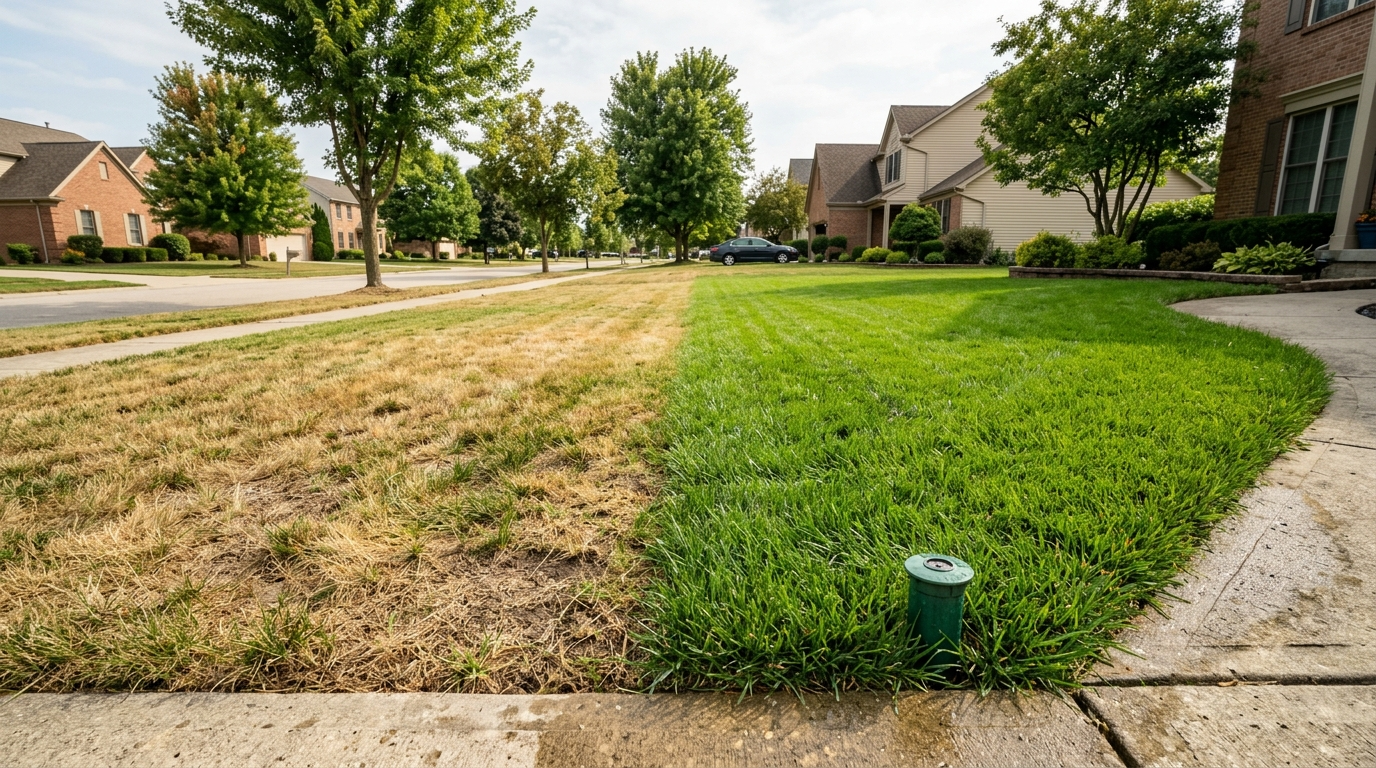
A thin area that steadily improves through May may not need the same response as a thin area that returns every year. A few weeds in isolated locations are different from weeds spreading through weak turf. Uneven growth that improves after mowing is different from a lawn that looks more inconsistent every time it is cut.
By the end of May, those distinctions become easier to make.
This is where professional evaluation matters. The lawn does not need every visible issue treated as an emergency. It needs the right issues identified in the right order.
That is the difference between reacting to symptoms and managing the lawn with structure.
Early Summer Rewards Lawns With a Plan
June does not create lawn problems out of nowhere.
It usually exposes the results of what happened earlier.
A lawn that entered spring with structure behind it often moves into June with more control. Weed pressure is being managed. Growth has support. Thin areas have been identified. The property is not being handled one surprise at a time.
A lawn without that structure can enter June in a more uncertain position.
That does not mean the season is lost. It means the lawn needs a clearer plan before summer pressure increases.
For LawnLogic, that plan is built through structured lawn care programs, coordinated applications, and ongoing evaluation. Fertilization, weed control, crabgrass prevention, insect protection, soil support, and corrective services are not treated as disconnected tasks. They are part of a managed process designed to support the lawn over time.
What Homeowners Should Notice Before May Ends
The end of May is a good time to look at the lawn with a wider view.
Not every flaw matters equally. The pattern matters more than the isolated spot.
Homeowners should pay attention to whether the lawn looks more even after each mowing. They should notice where weeds are appearing and whether those areas have thin grass around them. They should look at edges, shaded sections, low areas, and places that were weak coming out of winter.
They should also notice whether the lawn feels predictable.
A predictable lawn does not need to be perfect. It simply shows steadier progress. It gives fewer surprises. It responds more consistently. It looks like it is being guided through the season instead of being managed one problem at a time.
May Sets the Terms for June
The end of May is not the finish line for spring lawn care.
It is the handoff point.
The lawn has moved out of early recovery. It has shown where it is strong, where it is vulnerable, and where the season may become harder to manage. What happens next depends on whether those signs are ignored or brought into a structured plan.
June will make the difference more visible.
Lawns that were prepared will usually show more control. Lawns that were delayed or handled casually may begin creating more decisions for the homeowner.
That is why the end of May matters.
It is the last quiet moment to understand what the lawn has been showing before the next phase of the season begins.
Bring the Lawn Into a More Managed Season
LawnLogic provides structured lawn care programs, pest control services, and targeted turf support solutions for residential and commercial properties throughout Monroe County, NY and select portions of Wayne and Ontario Counties.
If your lawn is ending May with weeds, thin areas, uneven growth, or signs of weak recovery, now is the time to bring it into a more organized plan.
LawnLogic will evaluate your lawn, identify what the season has already revealed, and recommend the appropriate structured lawn care program for the months ahead.
Explore More About Managing Your Lawn
Continue building your understanding of how structured lawn care supports long-term stability.