What To Do First When Spring Lawn Growth Begins

The first stretch of warm weather in Western New York creates urgency.
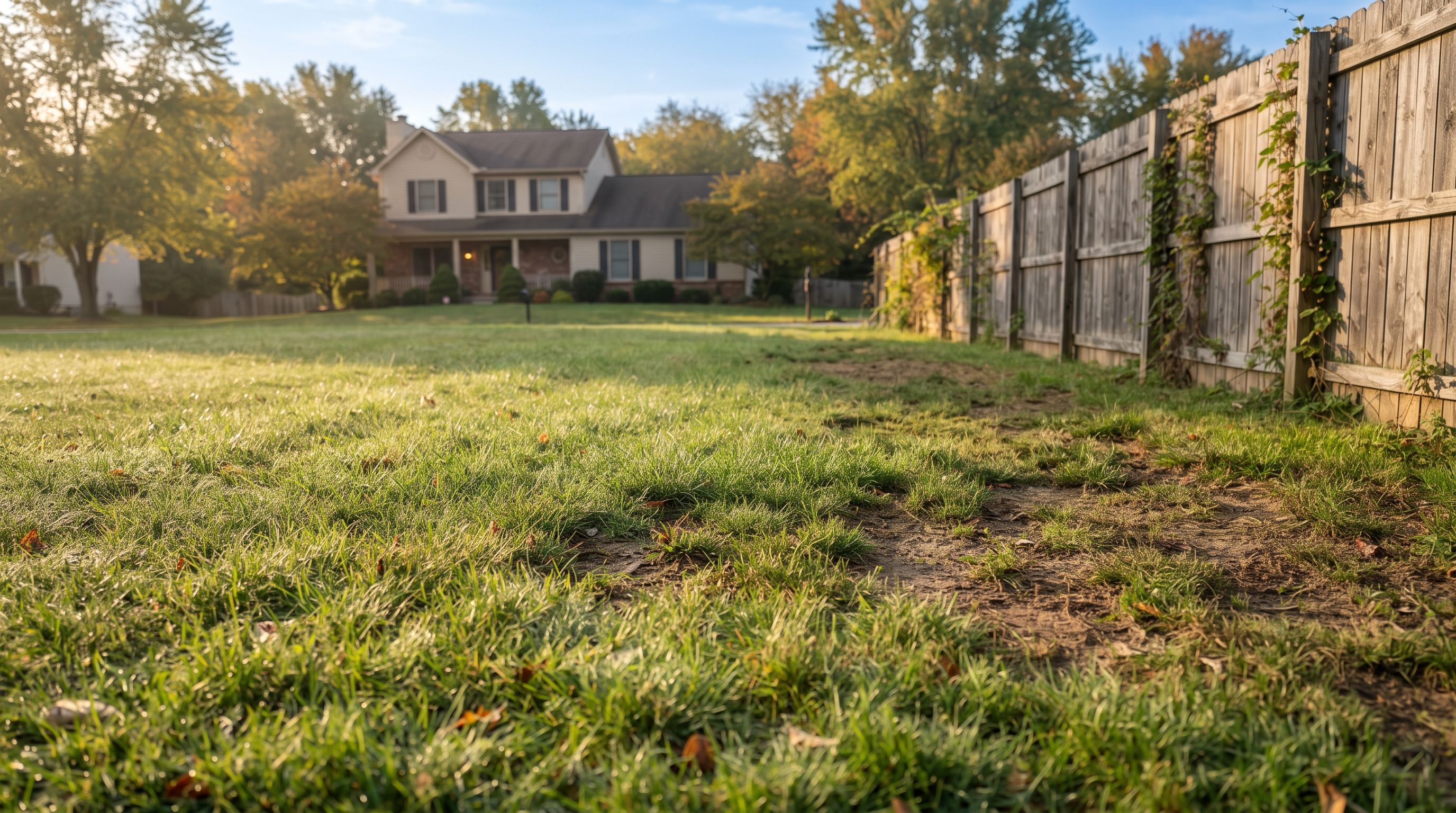
Snow is gone. The lawn reappears. Temperatures rise into the 40s and 50s. You notice signs of life returning. Small areas begin to green. Other sections lag behind.
This is when most spring lawn problems begin. Not because something is wrong with the lawn. Because the order of decisions is wrong.
Spring lawn care is not about doing everything quickly. It is about doing the right thing first and allowing each step to support the next. The sequence matters.
The Mistake Most People Make
The most common early spring mistake is reacting to appearance instead of evaluating conditions.
The lawn looks thin. Fertilizer is applied immediately. Color is uneven. Watering increases. A few weeds appear. Weed control is applied at the first opportunity.
These reactions feel proactive. But without understanding soil readiness, moisture balance, and root activity, early applications can disrupt recovery rather than support it. Spring growth follows a biological sequence. If you interrupt that sequence, the lawn becomes uneven and harder to stabilize later.
Step One: Evaluate Before You Apply
Before anything goes down, the lawn needs to be assessed.
Walk the property. Feel the soil firmness. Observe moisture distribution. Watch how growth is progressing week to week.
Is recovery steady, or stalled in certain sections?
Early spring evaluation tells you whether the lawn is transitioning normally or whether structural issues are limiting progress. This step is often skipped because it does not involve a product. It is also the most important step of the season.
Step Two: Confirm Soil Temperature, Not Just Air Temperature
Air temperature rises quickly in March and April. Soil temperature does not.
Roots respond to soil warmth, not the number on your phone’s weather app. If fertilizer is applied before soil temperatures support steady uptake, nutrients may not be used efficiently. If seed is applied before soil warms enough for germination, results will be inconsistent.
Soil stability determines whether treatments work. Patience at this stage prevents wasted applications and uneven growth patterns.
Step Three: Align Weed Prevention With Timing, Not the Calendar
Pre-emergent weed control is highly dependent on timing. Too early, and effectiveness declines before peak weed germination. Too late, and weeds establish before control is active.
The correct window depends on consistent soil warmth. This is why spring lawn care cannot be scheduled purely by date.
It must respond to conditions.
When weed prevention is aligned with soil temperature and root activity, it supports density instead of competing with it.
Step Four: Support Growth Only After Stability
Fertilization should reinforce recovery, not rush it.
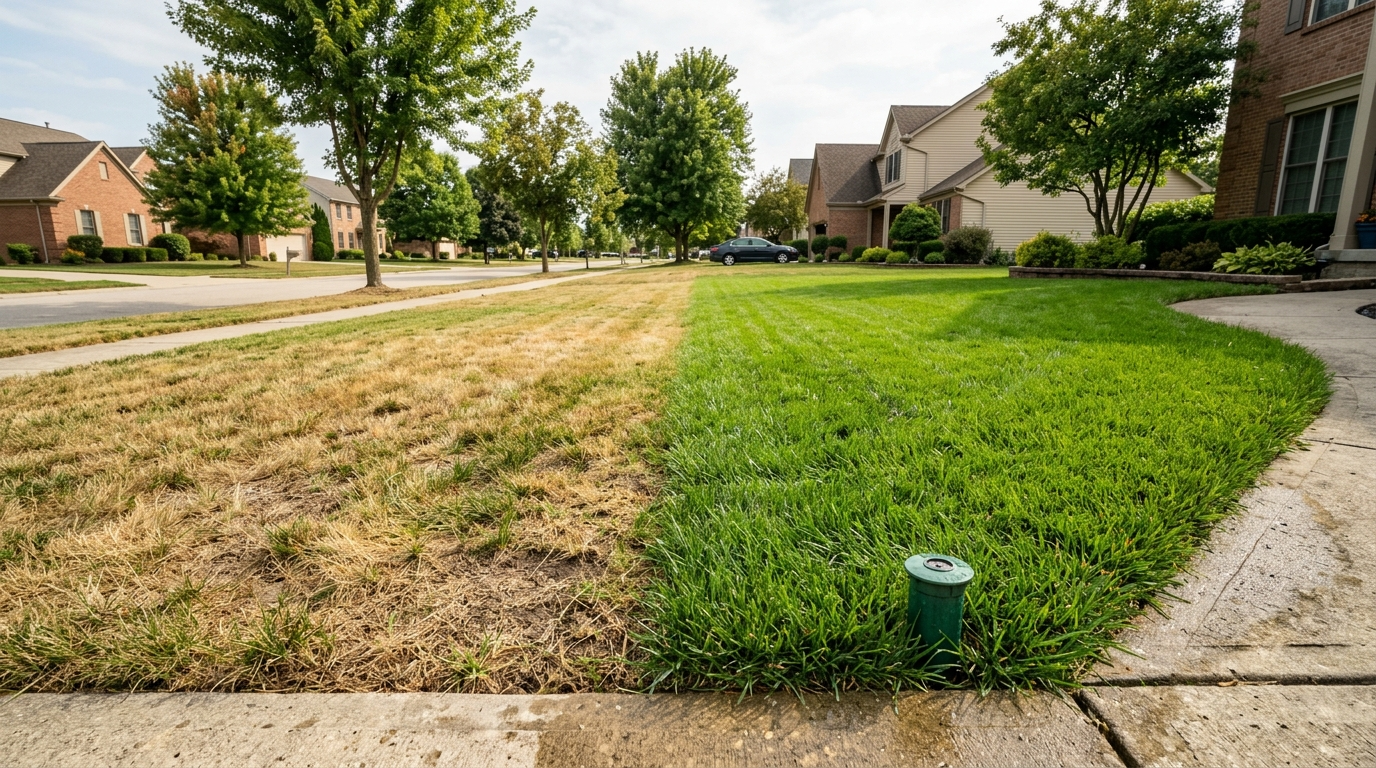
If soil structure is uneven or moisture remains imbalanced, early fertilization can amplify those inconsistencies. Some sections surge while others lag. That contrast becomes more visible as the season progresses.
When fertilization is coordinated after evaluation and weed prevention timing, growth becomes more uniform. The lawn builds density steadily instead of in isolated bursts.
Step Five: Address Structural Limitations Deliberately
If certain areas repeatedly struggle each spring, compaction or drainage imbalance may be limiting root expansion.
Structural corrections, when timed appropriately, improve oxygen flow and allow nutrients to move more freely through the soil.
Addressing structure at the correct point in the sequence prevents repeated seasonal setbacks.
Ignoring structure while layering treatments often creates temporary cosmetic improvement without long-term stability.
Why Sequence Shapes the Entire Season
Every spring decision echoes forward.
Early fertilization influences mid-season growth patterns. Weed prevention timing affects density later in summer. Structural correction impacts how the lawn handles heat stress. When treatments are layered without coordination, the lawn becomes reactive. Problems are addressed as they appear rather than prevented through structure.
When treatments are sequenced intentionally, growth becomes predictable. Predictability is the difference between a lawn that fluctuates and a lawn that stabilizes.
What Steady Spring Progress Feels Like
When the order is right, change happens gradually.
The surface firms evenly. Color deepens consistently across the property. Thin sections fill in without sudden surges. Moisture balances out rather than pooling in pockets.
The lawn begins to feel grounded and even underfoot. That feeling is not the result of urgency. It is the result of coordination.
Starting the Season With Structure
Spring is the foundation for everything that follows.
Beginning with evaluation, confirming soil readiness, aligning weed prevention timing, and coordinating fertilization creates a stable base for the growing season. The first step is not application. It is understanding what the lawn needs now and what can wait.
When spring begins with structure, the rest of the season becomes easier to manage.
Explore More About Managing Your Lawn
Continue building your understanding of how structured lawn care supports long-term stability.