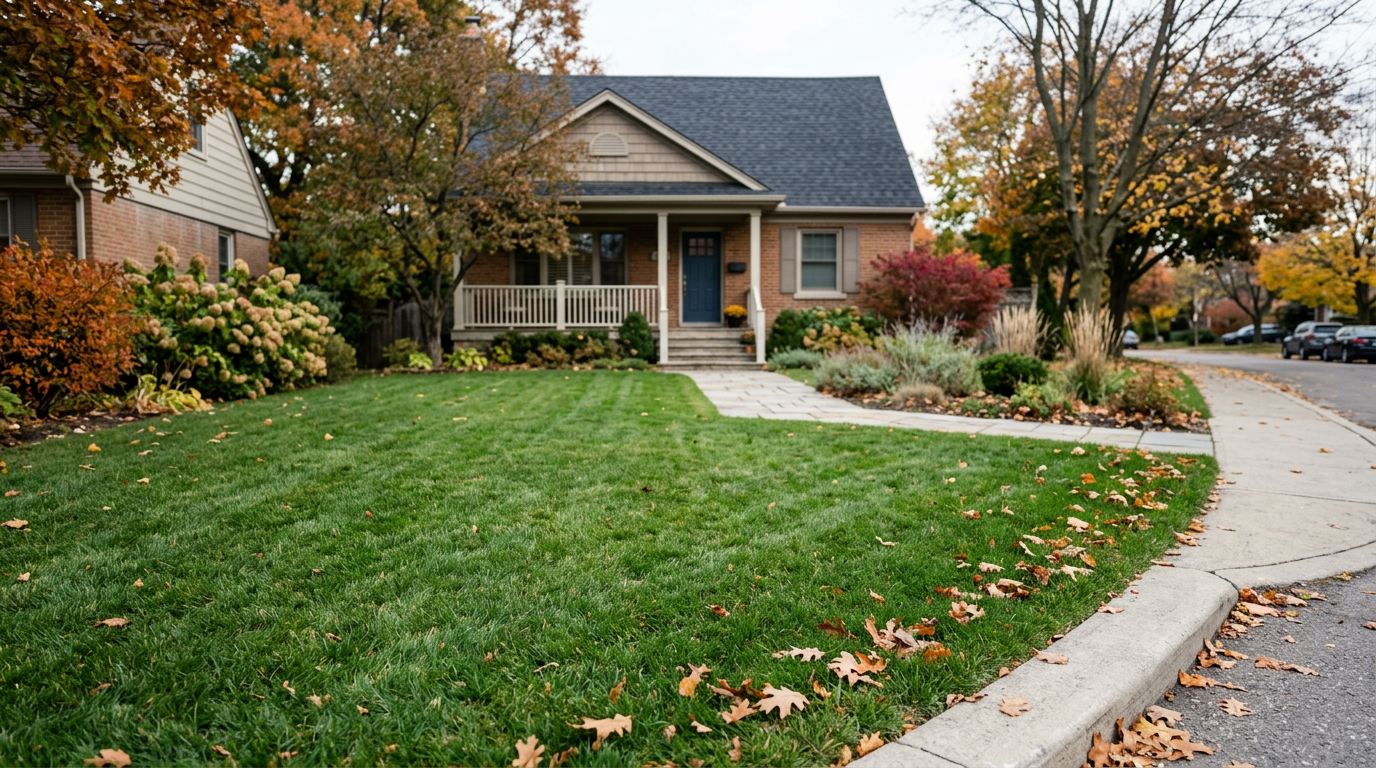
Grub Preventer vs Grub Curative: When Each One Makes Sense
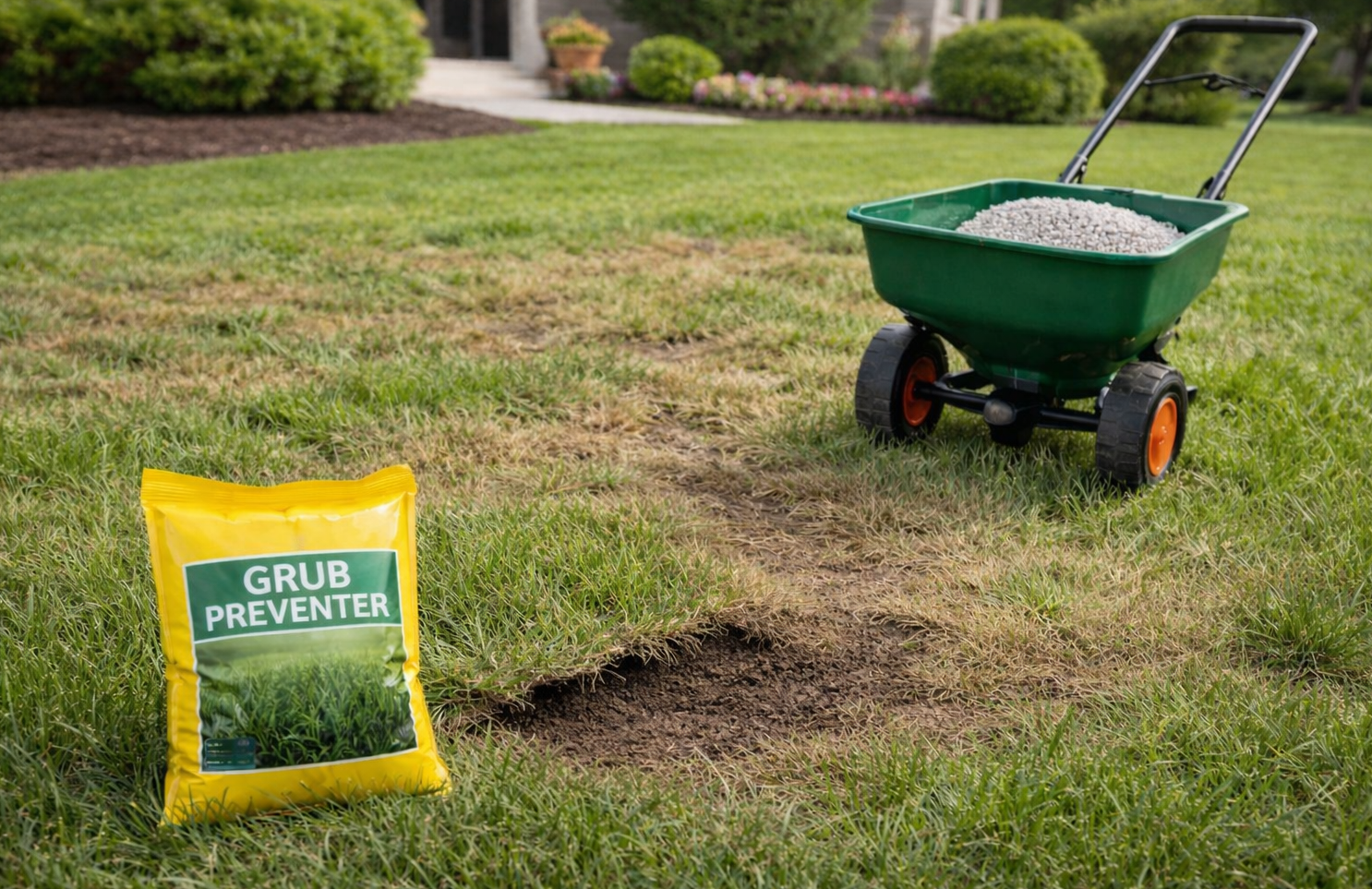
A lot of homeowners assume grub control is one simple category.
It is not.
There is a major difference between preventing grub damage and trying to respond after grubs are already active in the lawn. That is where the distinction between a grub preventer and a grub curative matters. They are not interchangeable, they are not timed the same way, and they are not intended to solve the same problem.
That confusion is common because the visible issue often looks the same from the outside. The lawn starts thinning. Turf begins to feel weaker in certain areas. A section may start peeling back more easily than it should. The property looks like it is losing stability, and grubs become part of the conversation. But by the time that damage is visible, the correct response depends entirely on what stage the problem is actually in.
That is why timing matters so much.
A grub preventer makes sense when the goal is to stop a future grub problem before it starts damaging the lawn. A grub curative makes sense when grubs are already active and the lawn needs a more immediate response.
The two services serve different roles, and understanding that difference is what keeps grub control from becoming a mistimed guess.
Grub prevention and grub treatment are two different jobs
The easiest way to understand the difference is this.
A grub preventer is meant to get ahead of the problem. A grub curative is meant to respond after the problem is already underway.
That sounds simple, but it changes everything about how the lawn should be managed. If a lawn is not currently dealing with active grub feeding, a preventer can be the right choice because it helps reduce the chance of future damage developing later in the season. If the lawn is already showing signs of active grub pressure, prevention timing has likely passed and the property may need a treatment designed to address the grubs that are already there.
This is why grub control cannot be reduced to one generic treatment.
It has to match the stage of the problem.
A grub preventer makes sense when the lawn is not showing active damage
A grub preventer is designed for protection, not rescue.
It is typically used when the lawn is still relatively stable and the objective is to reduce the risk of grub activity becoming a problem later. This type of treatment is not meant to fix damage that is already underway. It is meant to create a more protected path before the lawn reaches that point.
That is why a preventer is usually part of structured seasonal management rather than an emergency response.
On properties in the Greater Rochester area, where lawns already deal with normal seasonal stress, a preventer often makes the most sense when the goal is to avoid layering grub pressure on top of everything else. It helps protect the lawn before root feeding starts weakening turf performance later in the season.
The value is in acting before the damage becomes visible.
A grub curative makes sense when grubs are already active
A grub curative is a reactive treatment.
It is used when the lawn is already dealing with active grub presence and the property needs a response to what is happening now, not what might happen later. If the turf is thinning unexpectedly, pulling up easily, or showing signs that root feeding may already be underway, a curative may be the more appropriate choice.
This is where a lot of homeowners get the timing wrong.
Once active grubs are already feeding, a preventer is no longer solving the real problem. The lawn is not looking for future protection at that point. It is looking for intervention against an issue that is already reducing turf stability.
That is what makes a curative different.
It is about stopping active pressure, not simply planning ahead.
The lawn usually tells you whether the timing is preventive or reactive
The property often gives clues about which side of the decision you are on.
If the lawn is stable and you are trying to reduce the likelihood of grub problems later in the season, that points toward prevention. If the lawn is already showing irregular decline, weakening turf, or signs that something is feeding below the surface, that points more toward a curative conversation.
The important thing is not guessing based on fear.
It is evaluating what the lawn is actually doing.
This matters because grub related decline can overlap with other issues. Summer stress, drought pressure, compaction, weak root support, and site specific thinning can all make turf look vulnerable. That is why grub control decisions should be tied to actual timing and lawn behavior, not just the fact that the lawn looks off.
Choosing between preventer and curative starts with identifying whether you are trying to protect a stable lawn or respond to an active problem.
A grub preventer is usually part of a broader program strategy
A grub preventer often makes the most sense when it is part of a structured lawn care program.
That is because prevention works best when it is delivered within the right seasonal window and tied into the larger management plan for the property. It is not just a standalone idea. It is part of managing risk before visible damage starts.
This is especially relevant on lawns that have dealt with grub issues before or on properties where turf stability already matters enough that avoiding a preventable disruption has real value.
A preventer fits the logic of structured turf management.
It supports the lawn before the pressure becomes visible, which is exactly how a good program is supposed to work. The property is not waiting for damage to prove the problem. It is being managed with enough foresight to reduce the chance of the problem taking hold in the first place.
A grub curative is usually tied to visible decline or active concern
A grub curative is different because it is usually driven by a present issue.
The lawn is already showing enough concern that a reactive treatment becomes part of the discussion. That may be because the turf is weakening in a way that does not match normal summer stress. It may be because the lawn is thinning unevenly and the damage pattern suggests something is happening below the surface. It may be because the property has moved beyond prevention timing and now needs a different type of response.
That is why curative service tends to feel more urgent.
The lawn is already under pressure. The focus shifts from protection to intervention. At that point, the goal is not simply to reduce future risk. The goal is to address active grub activity before the turf loses more ground.
That is a different job than prevention, and it should be treated that way.
Timing is the real reason these services get confused
Most confusion around grub control comes down to timing.
People hear grub control and assume any grub related treatment should work the same way. But timing is what determines whether the lawn needs protection ahead of the issue or response after the issue has started. Without that distinction, it becomes easy to apply the wrong service to the wrong situation.
That can lead to frustration.
A homeowner may think they addressed the problem, but the service did not match the stage of the issue. A preventer may be applied when the lawn already needs a curative response. A curative conversation may start when the better strategy would have been to protect the property earlier.
This is why grub control should never be treated like a one word category.
The question is not just whether grubs matter.
The question is whether the lawn needs prevention or response.
A preventer protects the lawn before root feeding becomes a visible problem
One of the biggest advantages of a grub preventer is that it helps the lawn avoid a future disruption.
That matters because grub damage often becomes obvious only after the turf has already started losing strength. By the time sections of the lawn feel loose, thin out, or begin separating more easily, the property is already behind. A preventer helps reduce the odds of reaching that point in the first place.
That makes it valuable on lawns where seasonal stability matters.
Instead of waiting to see whether the turf breaks down later, the lawn is managed with an earlier layer of protection. In a region around Lake Ontario where turf already moves through shifting weather and seasonal pressure, preventing an avoidable root feeding issue can make a meaningful difference.
The lawn does better when problems are reduced before they become visible.
A curative helps when the lawn can no longer wait for prevention logic
A curative becomes relevant when the lawn is already in a more vulnerable position.
At that stage, prevention logic is no longer enough because the problem is not theoretical. The turf may already be losing support below the surface. The lawn may already be showing the kind of weakness that needs a more direct response.
That is when a curative treatment makes sense.
It is not being chosen because prevention failed as a concept. It is being chosen because the lawn is already past the stage where prevention is the correct tool. The property needs a treatment that matches what is happening now.
That is why a curative should be understood as a different category of decision, not just a stronger version of the same thing.
Not every struggling lawn needs grub treatment at all
This is an important point.
Just because a lawn looks weak does not automatically mean grubs are the reason. Some turf decline is caused by heat, drought, poor drainage, compaction, shade, disease pressure, or recurring site imbalance. If grub treatment is chosen without evaluating whether grubs are actually part of the problem, the lawn can still end up without the support it really needed.
That is why proper assessment matters.
The preventer versus curative decision only works when grubs are actually the relevant issue. Otherwise the lawn may be misread entirely. A property that needs soil support, corrective seeding, drainage improvement, or better seasonal structure will not be stabilized by choosing between two grub options alone.
Grub control should be deliberate, not automatic.
Lawns with a history of grub issues often benefit from preventive thinking
Some properties make a stronger case for prevention than others.
If a lawn has dealt with grub related damage before, or if the property has shown that it is vulnerable to this pattern, a preventer often makes more sense than waiting to see whether the issue returns. That is especially true when the lawn has already struggled with thinning, instability, or recurring late season decline.
In that situation, prevention is not just a convenience.
It is a way to protect a lawn that has already shown it may not hold up well if grub pressure returns. Rather than forcing the property back into a reactive cycle, prevention helps keep the lawn on a more controlled path.
That is often the better fit for a structured program.
A curative is about limiting damage that has already started
Once active grubs are in play, the goal changes.
The lawn is no longer being protected from a possible issue. It is being helped through an active one. That is why a curative makes sense only when the timing and condition of the lawn point to that need.
This is also why curative service is often tied to a more detailed evaluation.
The property may need to be assessed for how widespread the activity is, how much turf strength has already been lost, and whether the lawn will need additional support after the grub issue is addressed. In some cases, stopping the active problem is only one part of getting the property back on track.
That is another reason not to confuse curative service with simple prevention.
The job is different, and the lawn is usually in a different condition when it becomes necessary.
The right choice depends on what the lawn needs now, not what sounds more aggressive
Homeowners sometimes assume the curative option must be the better one because it sounds more forceful.
That is not how the decision should be made.
The right treatment is the one that fits the timing and condition of the lawn. If the property is stable and the goal is to reduce future risk, a preventer makes more sense. If the lawn is already showing signs of active grub pressure, a curative may be the more appropriate response. Neither one is better in the abstract. Each one makes sense in the right situation.
That is what makes them separate services.
They are not competing against each other. They are addressing different stages of the same category of problem.
Why this distinction matters so much in the Rochester area
Lawns in the Rochester area already move through enough seasonal variability that grub damage can be mistaken for other forms of decline.
Stress patterns overlap. Thin turf, soft sections, and weakening density can all be misread if the lawn is not evaluated carefully. That makes the preventer versus curative distinction even more important. The lawn needs the right response for the right condition, not a generic grub treatment chosen too late or too early.
That is why timing and structure matter.
A preventer fits into the lawn before the problem becomes visible. A curative fits into the lawn after active grub pressure becomes the issue. On properties across this region, that difference can determine whether grub control feels proactive and controlled or rushed and reactive.
When each grub treatment actually makes sense
A grub preventer makes sense when the lawn is stable and the goal is to protect it before grub activity causes damage.
A grub curative makes sense when grubs are already active and the property needs a more immediate response to a current problem.
That is the difference.
One is built around prevention. One is built around intervention. They should not be treated as interchangeable because the lawn is not in the same condition when each one becomes relevant.
Once that is understood, grub control becomes much clearer.
The right decision is not about choosing the more impressive sounding option. It is about matching the treatment to the stage of the problem and managing the lawn accordingly.
LawnLogic FAQ
Is a grub preventer better than a grub curative?
Not automatically. A grub preventer is better when the goal is protection before damage starts. A grub curative is better when grubs are already active and the lawn needs a response right away.
Can a grub preventer fix active grub damage?
No. A preventer is meant to reduce future grub problems, not solve damage that is already underway.
When does a grub curative make sense?
It makes sense when the lawn is already showing signs that active grubs may be feeding and the property needs treatment for a present issue rather than future protection.
Should every lawn get grub treatment?
Not necessarily. Grub control should be based on the property, its history, and what the lawn is actually showing. Not every weak lawn is dealing with grubs.
Make sure the treatment matches the problem
Grub control works best when the timing matches what the lawn is actually facing. LawnLogic evaluates whether the property needs preventive protection or a curative response so grub related decisions fit the condition of the lawn, the structure of the program, and the level of support the property actually needs.
Explore More About Managing Your Lawn
Continue building your understanding of how structured lawn care supports long-term stability.