
The Conditions That Build Mosquito Activity Start Before Summer
A lot of homeowners think mosquito season begins once summer is fully here.
That is usually too late.
By the time mosquitoes feel obvious around a property, the conditions supporting that activity have often been building for weeks. The yard may still look like it is in late spring. Temperatures may still feel mild. Summer may not seem fully established yet. But mosquito pressure does not wait for the calendar to catch up.
It starts building as soon as the environment begins giving mosquitoes what they need.
That is why mosquito activity often seems to appear suddenly. In reality, it usually does not begin all at once. It develops earlier, builds quietly, and becomes more noticeable once enough moisture, shelter, and warming conditions are in place around the property.
Mosquito pressure usually starts with environment, not peak heat
Many people associate mosquitoes with the hottest part of summer.
That connection makes sense on the surface, but it misses how mosquito activity actually builds. Mosquitoes do not need peak summer heat to begin becoming a problem. They need workable conditions. Once those conditions start forming, activity can begin rising well before the season feels fully summer like.
That is an important distinction.
The issue is not whether it is officially summer yet. The issue is whether the property has started supporting mosquito development. If the answer is yes, mosquito pressure can begin growing before homeowners are fully thinking about it.
That is why waiting until mosquito activity feels obvious often puts the property behind.
Standing water does not need to look dramatic to matter
One of the biggest reasons mosquito activity starts building early is moisture.
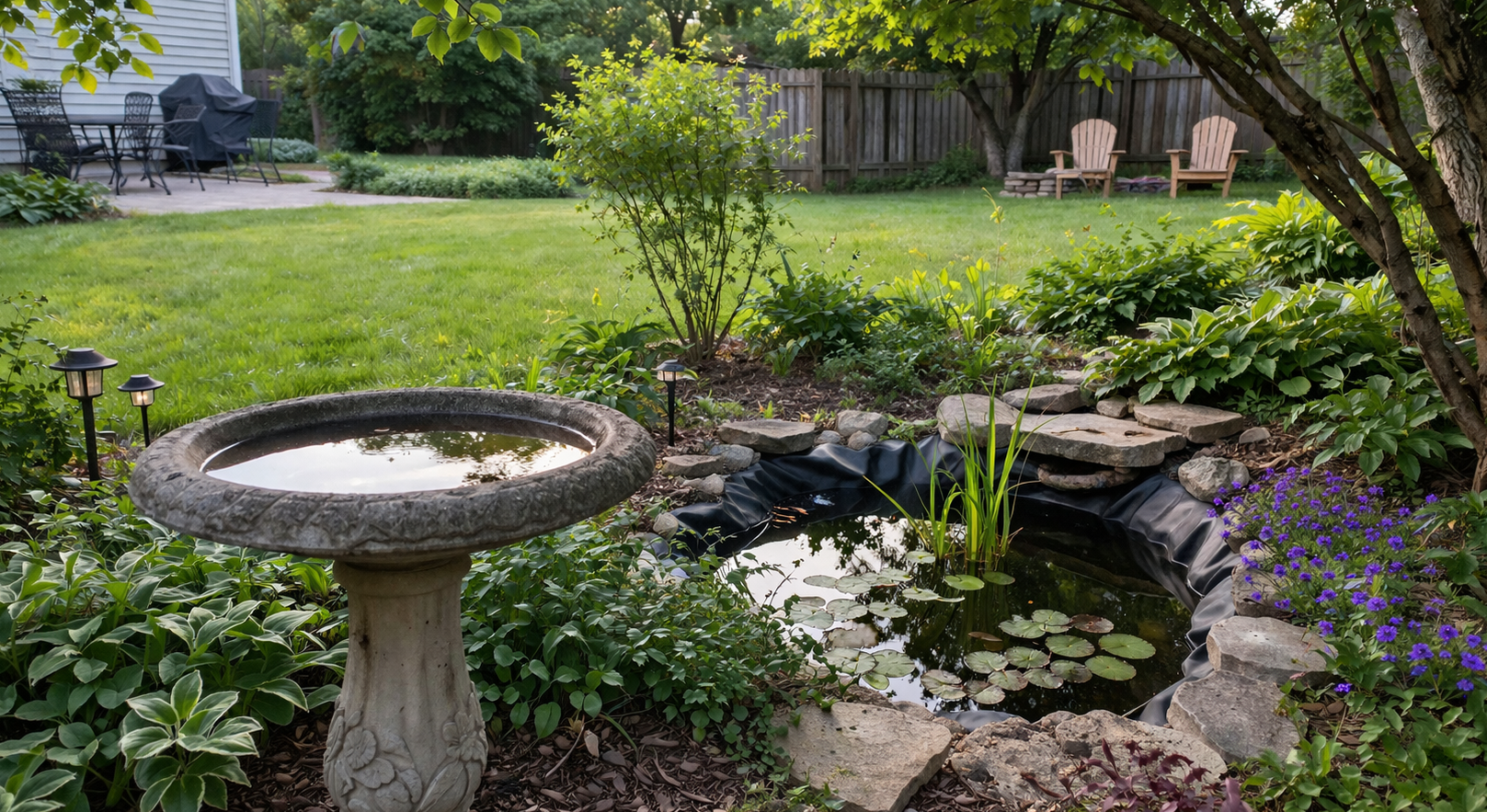
Mosquitoes need water to reproduce, but that does not mean a property needs a major drainage issue or obvious pooling everywhere to become more favorable. Small, recurring water sources can be enough. Water collecting in low spots, clogged gutters, containers, toys, planters, covers, or hidden pockets around the yard can all contribute to the environment mosquitoes use.
That is what makes early buildup easy to miss.
The property may not look especially wet overall. But if certain parts of the yard are holding moisture often enough, or if water is collecting in overlooked areas after spring rain, mosquito activity can begin forming before summer routines are even in full swing.
The issue is often not a dramatic water problem.
It is repeated moisture in the right places.
Late spring rain often starts the process before summer arrives
Mosquito activity often begins building during the stretch of the season when rain is still frequent and temperatures are steadily rising.
That combination matters. A property around Rochester may still feel like it is in a late spring pattern, but if repeated rainfall is creating moisture pockets and the yard is warming enough to support mosquito development, the process is already underway.
This is one reason mosquito problems can feel like they showed up overnight.
They often did not. The buildup started earlier through normal seasonal conditions that homeowners were not yet reading as mosquito season. By the time outdoor time increases and activity becomes more noticeable, the property may already be carrying more mosquito pressure than expected.
That is why late spring matters so much.
It often creates the setup that early summer reveals.
Dense shade and sheltered areas help activity build faster
Mosquitoes do not just respond to water. They also respond to the kind of cover a property provides.
Areas with dense shade, heavier vegetation, thicker landscape beds, lower airflow, and more protected resting space often become more favorable earlier in the season. These parts of the yard tend to stay cooler, damper, and more sheltered than open lawn. That gives mosquitoes a better environment to remain active once the property begins warming up.
This matters because not every yard supports mosquito activity the same way.
A more open property with less cover may still experience mosquitoes, but a yard with shaded edges, tree cover, overgrown borders, and quiet protected zones often gives mosquito activity more places to hold. That makes the problem more likely to build before summer feels fully established.
The property may look calm.
For mosquitoes, it may already be increasingly usable.
Early mosquito activity often builds in the quiet parts of the yard first
One reason homeowners overlook the start of mosquito pressure is that it often begins in the parts of the property that are not being watched closely.
This may be along the back tree line, near a damp side yard, around landscape edges, behind sheds, or in sheltered corners where air movement is limited. These are the places where moisture lingers longer and the environment stays more protected.
That is why the first sign of mosquito buildup is not always obvious swarming everywhere.
Sometimes it starts as a subtle increase in one section of the yard. A back corner feels less comfortable. A patio edge starts attracting more activity in the evening. One part of the property feels noticeably worse than the rest. These smaller patterns often show where pressure is building before it becomes more widespread.
That is useful to notice.
Mosquito problems often start in zones before they feel like a whole property issue.
Warmer days are only part of the equation
A few warmer days can make homeowners think mosquito activity should still be limited because nights are cool or the weather still feels inconsistent.
But mosquitoes do not require perfect summer conditions to begin gaining ground. Once the broader pattern starts moving in the right direction, rising temperatures combine with moisture and shelter to create momentum. The buildup does not need to wait for every day to feel fully seasonal.
That is why early activity can catch people off guard.
The property does not have to look like mid summer to begin supporting mosquitoes more heavily. It just needs enough environmental support for the pattern to start building.
This is another reason calendar thinking can be misleading.
Mosquito activity follows site conditions more than it follows the official start of summer.
Properties near tree lines and moisture prone zones often feel it first
Some properties tend to notice mosquito activity earlier than others.
Yards near wooded edges, heavier vegetation, low lying sections, drainage prone areas, or neighboring properties with similar conditions often create an easier environment for mosquito activity to build. Even if the lawn itself looks reasonably dry and maintained, nearby conditions may still be contributing pressure around the yard.
That is important because homeowners sometimes judge mosquito risk only by what they see in the middle of the lawn.
But mosquito activity often depends more on the protected outer conditions of the property than the open central space. If the yard backs up to shade, holds moisture around the borders, or has dense landscape areas that stay quiet and damp, activity can begin building there before the property owner fully notices it.
The lawn may not look like the issue.
The surrounding environment often is.
The property can feel fine until outdoor use increases
Another reason mosquito activity seems to appear suddenly is that people do not always spend meaningful time outside during the earliest buildup stage.
The yard may still be in a transition period. Outdoor use may be lighter. Evenings may not yet be the center of daily activity. Then schedules change, the weather improves, and people start using the patio, lawn, or backyard more often. That is when the property suddenly feels more active with mosquitoes.
But the timing can be misleading.
The increase in mosquito pressure may have already been building. The homeowner is simply interacting with the environment more once the season opens up. That makes the problem feel newer than it actually is.
This is one reason early management matters.
By the time the yard becomes part of everyday outdoor use, the goal should not be to start noticing the problem for the first time.
A property does not need a major infestation to justify attention
Some homeowners wait to think about mosquito control until the activity feels severe.
That can be a mistake.
Mosquito pressure does not have to become extreme before it starts affecting how the property feels. Even a moderate increase can change how comfortable the yard is in the evening, around seating areas, near landscaping, or in the sections where people spend time with family and guests.
That means early action is not just about avoiding a major outbreak.
It is about preventing normal seasonal buildup from becoming disruptive. Once a property starts developing favorable conditions, the goal is to interrupt that trend before it becomes the established feel of the yard.
That is where structured mosquito control makes more sense than waiting for frustration.
Prevention matters more than reacting once activity feels obvious
Mosquito control is strongest when it starts from the understanding that activity builds before people fully notice it.
That is what makes prevention so important. If the property is only addressed after mosquitoes are already consistently interfering with outdoor use, the yard is already in a reactive position. The better approach is to recognize that the buildup begins earlier and manage accordingly.
This aligns with the broader logic of structured property care.
The best results usually come from reducing pressure before it becomes fully visible, not from waiting until the problem proves itself. A property around the greater Rochester area that is managed with that mindset has a better chance of staying more comfortable as the season progresses.
That is the real value.
It is not just treatment after the fact. It is reducing the conditions that allow the issue to build unchecked.
Early season mosquito pressure often follows a pattern
Many properties do not just deal with mosquitoes randomly from year to year.
They deal with a repeating pattern. The same side yard gets more active first. The same rear border becomes uncomfortable early. The same patio edge feels worse as the season starts warming up. Those repeated patterns usually mean the property has environmental conditions that keep supporting early mosquito buildup.
That is why past seasons matter.
If mosquito pressure tends to show up early on a property, that history should be taken seriously. It often means the yard has already established the kind of moisture, shelter, and seasonal rhythm that allows activity to build before summer fully arrives.
In those cases, waiting for the problem to reappear usually leaves the property behind again.
Mosquito activity around Lake Ontario often builds during the spring to summer transition
Properties in this part of New York often move through a long transition between winter and full summer.
That transition can create exactly the kind of environment where mosquito activity starts building early. Spring moisture lingers. Rain remains part of the pattern. Tree cover stays active. Temperatures gradually rise without needing to hit peak summer levels right away. In many yards, that combination is enough to begin increasing mosquito pressure before the season feels settled.
That is why homeowners in the Rochester region often notice mosquitoes earlier than they expected.
The conditions are already doing the work before the calendar says summer has fully arrived.
What early mosquito buildup is usually telling you
If mosquitoes start becoming noticeable before summer feels fully here, the property is usually showing that the right conditions are already in place.
That may include standing water, recurring moisture, dense vegetation, quiet shaded zones, lower airflow, or a yard layout that holds activity more easily than expected. The mosquitoes are not arriving early by accident. They are responding to an environment that started supporting them before the season felt obvious to the homeowner.
That is the key point.
Mosquito pressure usually begins as a property condition issue before it becomes a comfort issue. Once the environment starts favoring activity, the buildup can begin earlier than people expect and become much more noticeable once outdoor use increases.
Why this matters before peak outdoor season begins
By the time a property is being used regularly for evenings, gatherings, and day to day outdoor time, mosquito activity should not be getting its first real opportunity to build.
That is why early awareness matters. It gives homeowners a chance to think about mosquito pressure before it becomes the reason part of the yard feels less usable. A more structured approach helps protect the property’s comfort before summer routines are fully underway.
That is especially valuable on properties where mosquito activity tends to return in a familiar way.
The issue often starts earlier than it feels, and the comfort of the yard often depends on responding before that pattern becomes fully established.
LawnLogic FAQ
Do mosquitoes really start becoming active before summer?
Yes. Mosquito activity often starts building in late spring once moisture, warming temperatures, and sheltered conditions begin supporting them.
Why do mosquitoes seem to show up all at once?
They often do not appear all at once. The conditions supporting them usually build gradually, then become more noticeable once activity reaches a more visible level or outdoor use increases.
Does standing water have to be obvious to create a mosquito problem?
No. Small, repeated water sources can be enough. The problem is often hidden in low spots, containers, clogged areas, or damp sections of the property that are easy to overlook.
Are some properties more likely to notice mosquitoes early?
Yes. Properties with dense shade, tree lines, heavier vegetation, recurring moisture, and protected yard edges often see mosquito pressure build earlier.
Get ahead of mosquito pressure before it becomes the season’s pattern
If mosquitoes start becoming noticeable before summer fully arrives, the property is usually giving you an early warning. LawnLogic helps identify and manage the conditions that allow mosquito activity to build so the yard can stay more usable, more comfortable, and better controlled as the season moves forward.
Explore More About Managing Your Lawn
Continue building your understanding of how structured lawn care supports long-term stability.