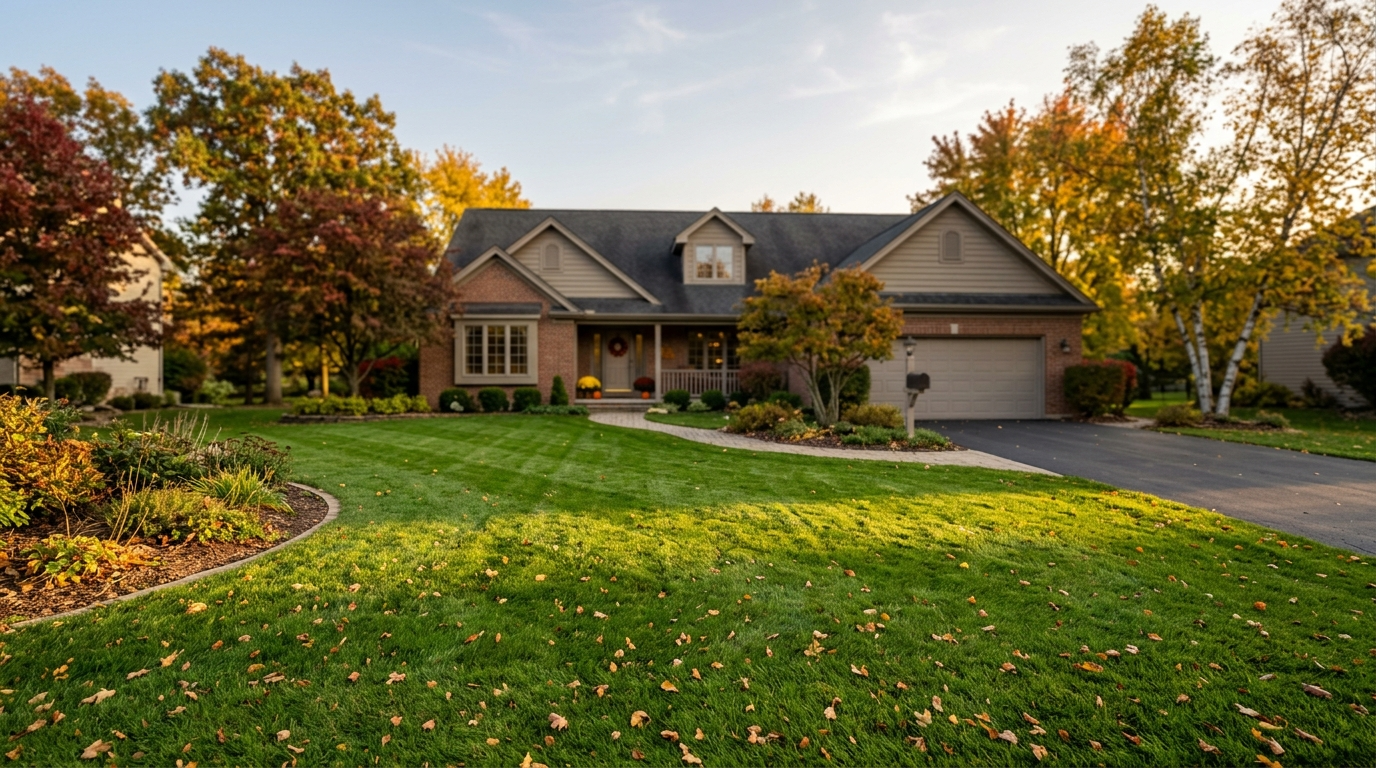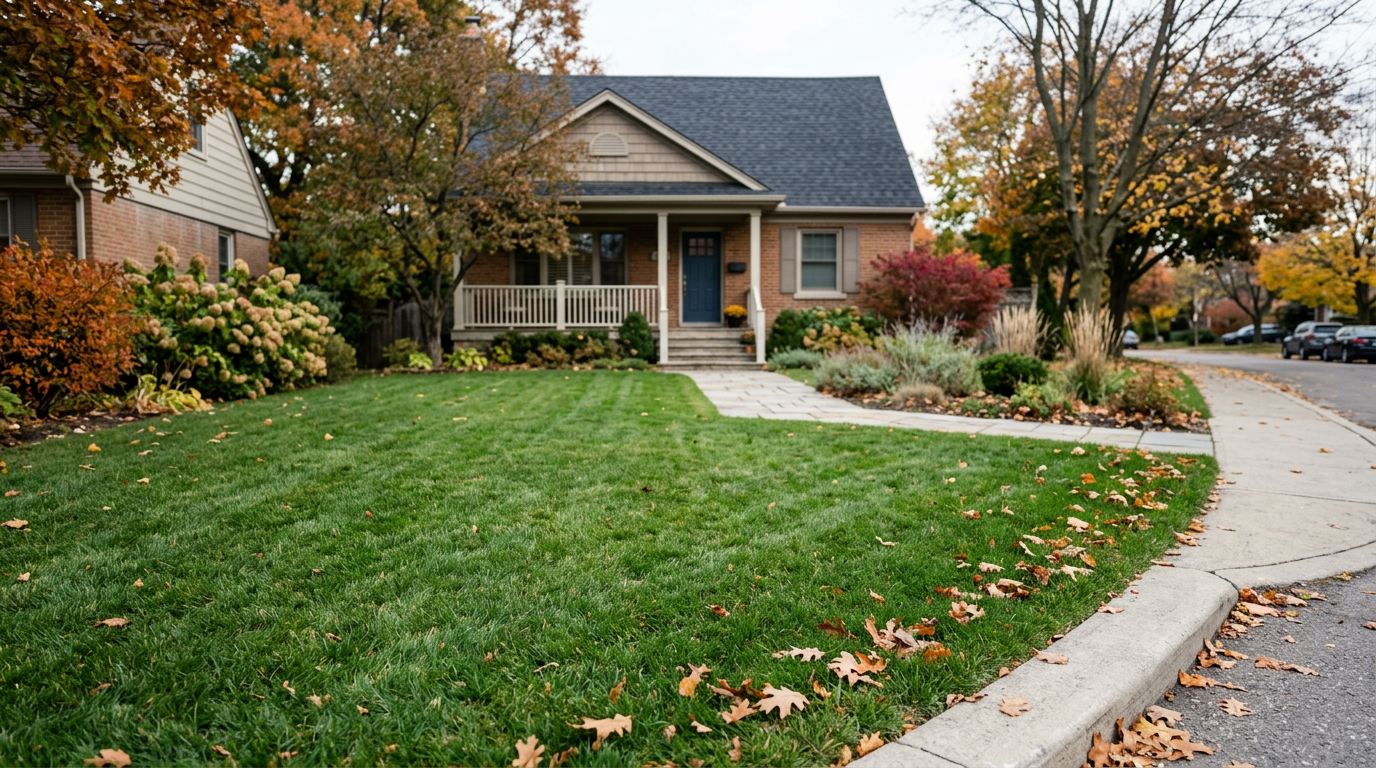
The Lawn Mistake That Can Trigger New Weed Growth
A lot of homeowners think weed problems start because the wrong product was used or because not enough product was used.
Sometimes that is part of it. But in many cases, the bigger issue starts earlier.
It starts when the lawn gets disturbed.
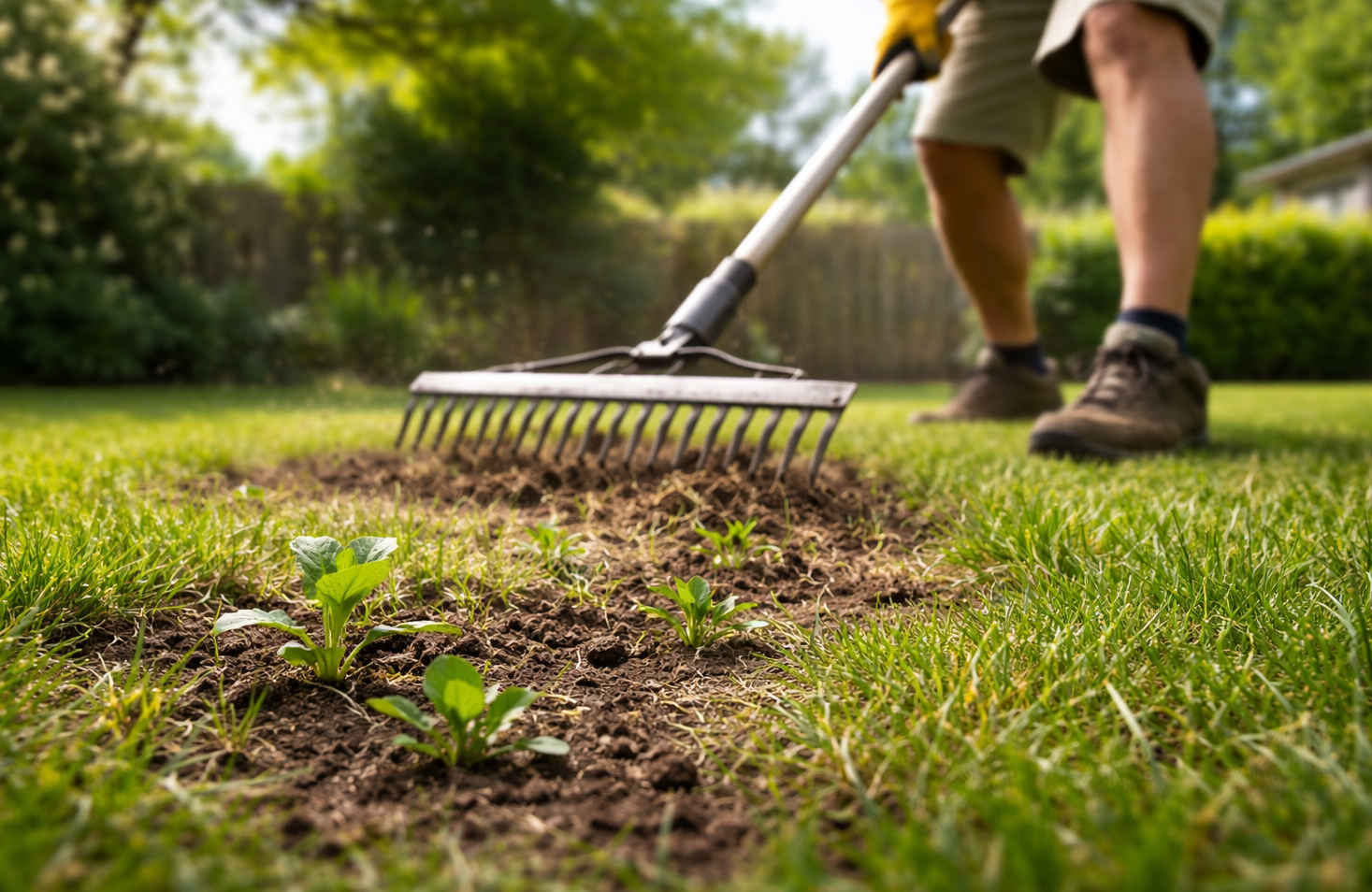
That disturbance may come from aggressive raking, patchy repair work, heavy traffic, construction activity, repeated wear, or any other condition that breaks the surface and leaves the turf less settled than it was before. Once that happens, the lawn often becomes more vulnerable to new weed pressure.
This is one reason weed outbreaks can seem sudden. The weeds may not appear immediately, but the conditions that helped them get started were already set in motion when the lawn was disrupted.
Weed problems do not always begin with the weeds themselves
Homeowners usually notice weeds only after they have already started showing up.
At that point, it is easy to focus only on the visible problem. The weeds are there, so the assumption is that the issue began when the weeds emerged. In reality, the more important change often happened before any visible growth appeared.
A lawn that was once stable becomes more exposed when the surface is opened up.
That shift matters because stable turf does a better job holding its space. Once that stability is reduced, weeds have a better chance to move in. That does not mean every disturbed area immediately turns into a weed patch, but it does mean the lawn has become more vulnerable than it was before.
This is the part many homeowners miss. The mistake is not always failing to kill weeds after they arrive. The mistake is creating the kind of opening that makes weed establishment easier in the first place.
Lawn disturbance changes the balance of the surface
A healthy lawn works best when it stays relatively even, dense, and settled.
When the surface gets broken up, that balance changes. Turf coverage may become thinner. Certain areas may be left more exposed. The lawn may lose some of the consistency that helped it hold together.
Once that happens, weeds tend to gain an advantage.
They are very good at exploiting openings. They do not need a perfect environment. They just need enough access to space, light, and weakened turf competition to begin establishing themselves. A disrupted lawn often gives them exactly that opportunity.
This is especially true in areas where the turf was already under some pressure before the disturbance happened. If the lawn was thin, stressed, or uneven to begin with, any added disruption can make the opening even larger.
Bare and broken areas rarely stay empty for long
One of the most common lawn assumptions is that a disturbed area will simply stay open until the desirable grass fills back in.
That is rarely how it works.
Open ground usually gets claimed by something. If the turf is not in a strong position to recover quickly and evenly, weeds often step into that space first. This is one reason repair attempts sometimes backfire. The lawn gets opened up with good intentions, but the disturbed area becomes more weed-prone before the grass can fully reestablish itself.
Homeowners often interpret that as bad luck.
More often, it is a predictable response to the conditions created by the disturbance.
Weeds are opportunistic. When the lawn surface is broken and the turf cover is weakened, they have a much easier path in.
Disturbance often creates a false sense of progress
A lawn can look active after disturbance.
The surface gets opened. The area looks like something is being done. The property may appear ready for improvement. But activity is not the same as stability.
This is one of the biggest mistakes homeowners make with lawn repair and weed prevention. They assume that disturbing the area automatically moves it toward recovery. In some cases, it does. In other cases, it simply creates a more favorable opening for weed growth unless the follow-up is structured carefully.
That is why lawn disruption should never be viewed as neutral.
Once the surface is broken, the lawn is more exposed than it was before. If that exposure is not managed properly, weed pressure often increases rather than decreases.
Disturbed lawn areas are easier for weeds to exploit
Weeds do not need much time when conditions shift in their favor.
A settled lawn with decent density naturally makes it harder for them to gain space. A disrupted lawn gives them less resistance. The turf is no longer holding the surface the same way. Competition is reduced. Certain sections may be left thin or uneven. That is often enough to allow new weed activity to begin.
This is one reason weed pressure often seems tied to certain events on a property.
After utility work, after heavy soil movement, after patching, after repeated wear, after renovation attempts that did not fully stabilize, homeowners suddenly notice more weeds. The weeds can feel like a new problem, but the real turning point was often the disturbance that changed the lawn’s protective cover.
Not all lawn mistakes are obvious in the moment
Homeowners do not usually set out to create weed problems.
Most lawn mistakes happen because the action seems reasonable at the time. An area looks rough, so it gets worked over. A section looks thin, so the surface gets disturbed in an attempt to improve it. A patch needs attention, so the lawn gets opened up with the expectation that grass will take over.
Sometimes that works.
But if the area is not supported properly afterward, the disturbance itself can become the thing that increases weed vulnerability.
That is what makes this issue so common. The mistake is not dramatic. It often looks like a normal effort to help the lawn. The problem is that disturbance without a structured recovery plan can make the area more unstable before it becomes stronger.
Stability is one of the lawn’s best forms of weed prevention
Weed control is not only about killing weeds after they appear.
It is also about reducing the conditions that allow them to establish in the first place. One of the strongest forms of prevention is a lawn that stays dense, settled, and well-managed enough to protect its own space.
That is why stability matters so much.
A stable lawn gives weeds fewer openings. A disrupted lawn gives them more. The more the turf is broken up without a clear recovery strategy, the more likely it becomes that weeds will use that opening before the lawn fully closes back in.
This is a major reason some properties seem to deal with repeat weed issues in the same general sections. The lawn keeps getting weakened or disturbed in those areas, and weeds keep taking advantage of the same opening pattern.
Weed control products cannot solve every opening
Homeowners sometimes assume the answer is simply stronger weed control.
But weed control products can only do so much if the lawn keeps creating fresh opportunities for weeds to move in. If the surface remains unstable, if bare areas keep opening up, or if the turf is repeatedly disrupted without full recovery, the property stays vulnerable.
That does not mean weed control is unimportant. It means prevention has to go beyond product alone.
A better lawn strategy looks at both sides of the issue. It controls active weed pressure, but it also reduces the kind of surface disruption and recurring instability that make weed pressure harder to control in the first place.
That is how a lawn becomes easier to manage over time.
The real issue is often not the weed, but the opening
A lot of weed problems make more sense once the focus shifts.
Instead of asking only which weed showed up, it helps to ask what opening allowed it to show up there. In many cases, the answer points back to a disturbed section of lawn that lost density, coverage, or surface stability before the weeds became visible.
That shift in thinking matters because it leads to better decisions.
A homeowner who only reacts to the weed may keep treating symptoms. A homeowner who understands the opening can start addressing the condition that made the weed pressure more likely.
This is where real lawn management becomes different from simple treatment thinking. It pays attention to the pattern behind the problem, not just the problem after it appears.
A stronger recovery plan reduces the weed opportunity
Disturbance is not always avoidable.
Some lawns need repair work. Some areas need corrective attention. Some properties go through wear, soil movement, or other changes that break the surface. The goal is not to pretend the lawn should never be touched.
The goal is to recognize that disturbance increases risk and to manage that risk properly.
A stronger recovery plan helps the lawn regain coverage, restore stability, and reduce the amount of time weeds have to exploit the opening. Without that follow-through, the disturbed area can stay exposed long enough for weed pressure to build.
This is one reason structured lawn care matters so much after any corrective work. The lawn needs more than a disrupted surface. It needs managed support that helps it close the gap in a controlled way.
LawnLogic FAQ
Can disturbing the lawn really cause more weeds?
Yes. Lawn disturbance can create openings in the turf that make it easier for weeds to establish.
Does bare soil attract weeds?
Open and exposed lawn areas are more vulnerable to weed growth because the turf is no longer protecting that space as effectively.
Is disturbing the lawn always a mistake?
No. Some corrective work requires surface disruption. The problem is disturbance without a structured plan to restore stability afterward.
Why do weeds show up after lawn repairs?
Lawn repairs often create temporary openings. If grass does not reestablish quickly and evenly, weeds may take advantage of that exposed area first.
Is weed prevention just about applying weed control products?
No. Good weed prevention also involves keeping the lawn dense, stable, and less likely to create openings that weeds can exploit.
Keep lawn improvement from turning into new weed pressure
A lawn does not become easier to manage when every weak area gets opened up without a plan. It becomes easier to manage when corrective work is paired with structured support that helps the turf recover evenly and hold its ground.
LawnLogic builds lawn care programs around weed control, turf stability, and managed seasonal support so properties are less vulnerable to the kind of lawn mistakes that lead to repeat weed problems.
Explore More About Managing Your Lawn
Continue building your understanding of how structured lawn care supports long-term stability.