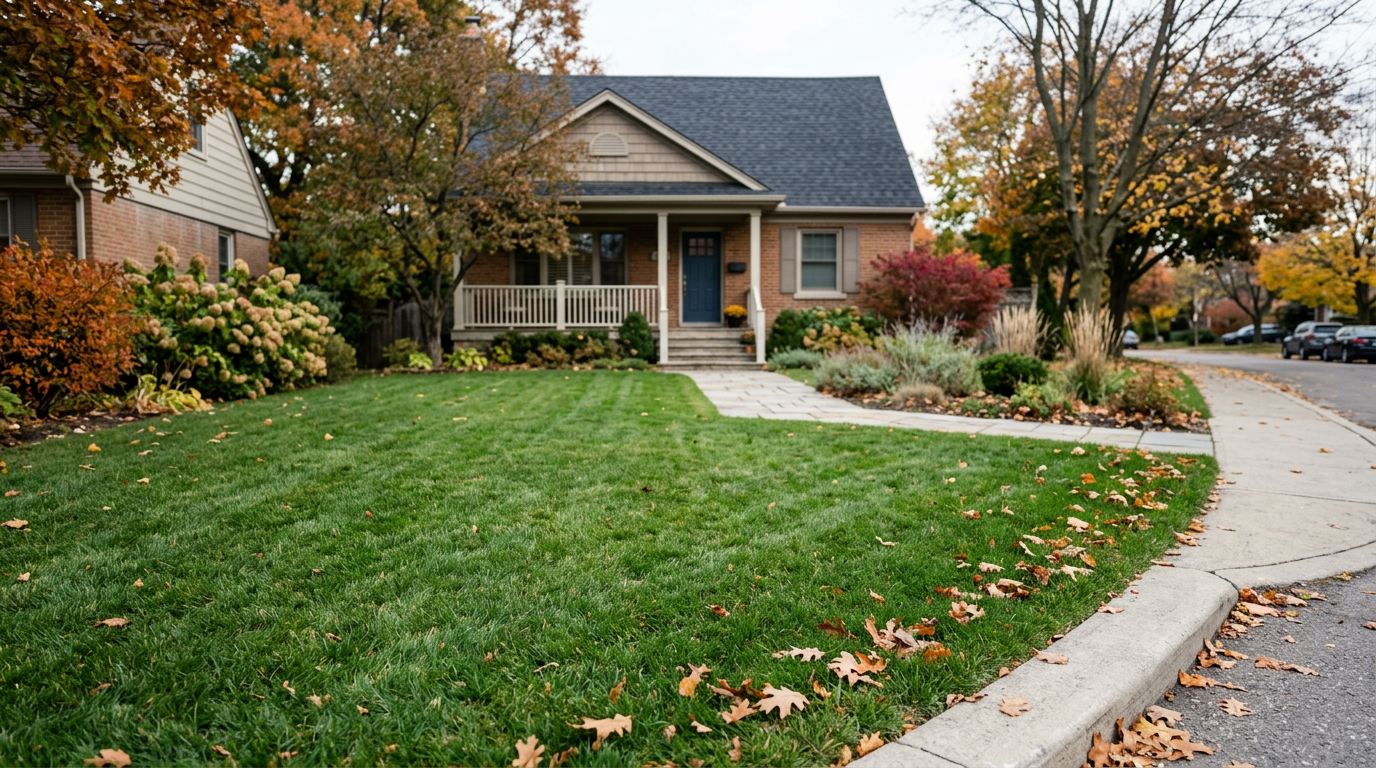
Early Overfeeding Can Create Bigger Lawn Problems Later
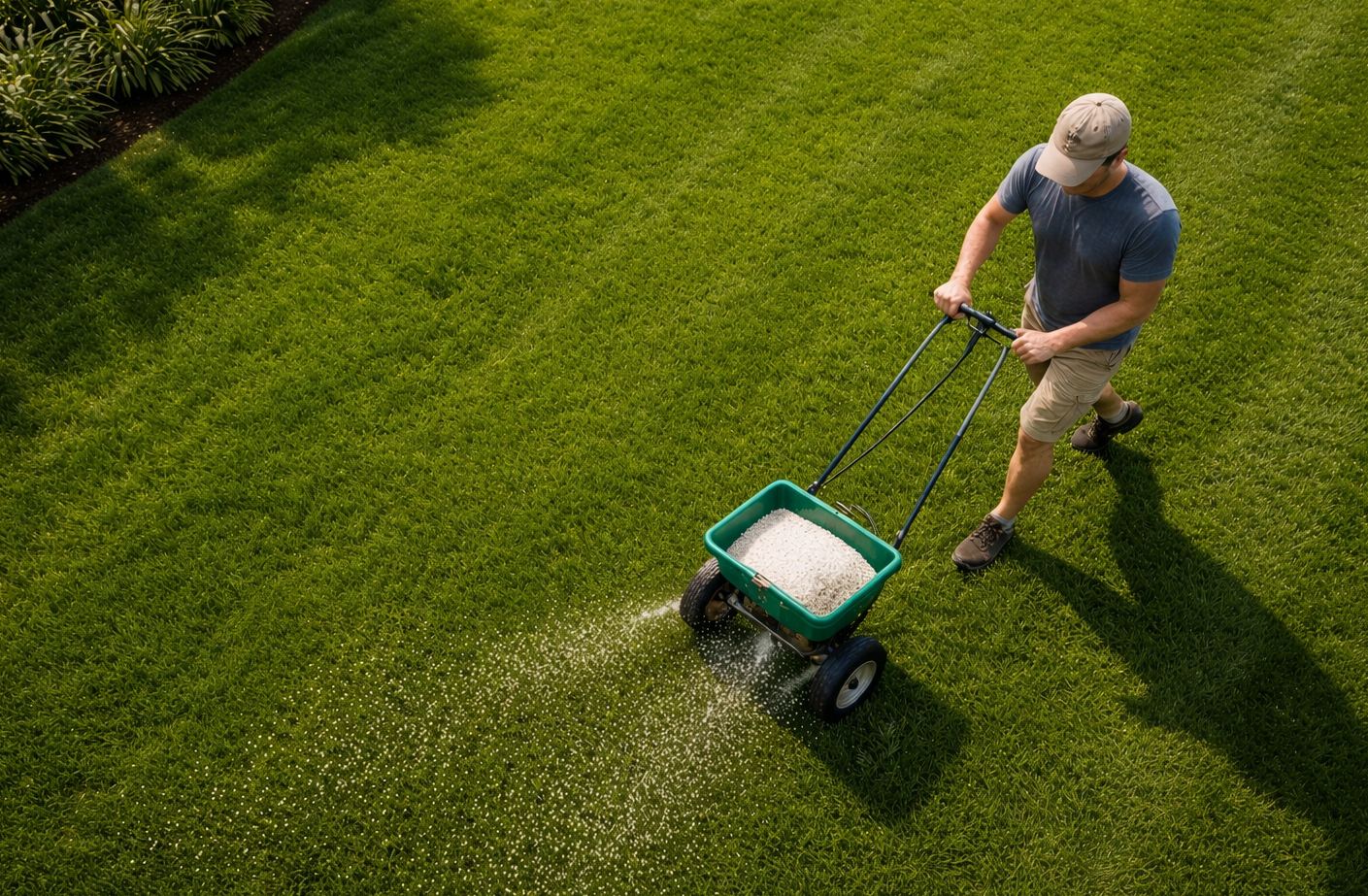
A lot of homeowners see strong spring growth and assume more fertilizer will help the lawn build even more momentum.
That seems reasonable at first. The grass is waking up, the yard is starting to green, and it feels like the right time to push for faster improvement. But early overfeeding often creates a different result than homeowners expect.
Instead of building a more stable lawn, it can create a lawn that moves too hard, too fast, and struggles to hold that pace as the season shifts.
That is where mid-season instability begins.
A lawn that gets pushed aggressively early in the season may look strong for a while. It may grow fast, color up quickly, and give the impression that things are going well. But if that early feeding is too heavy for the lawn’s condition and the timing of the season, the lawn often becomes harder to keep balanced later.
A fast spring response is not always a healthy setup
One of the easiest mistakes in lawn care is assuming that a bigger early reaction means a better long-term result.
It does not always work that way.
A lawn can respond quickly to early feeding and still be moving toward instability. In fact, that strong response is often what hides the problem at first. The lawn looks active, so the feeding feels successful. But the real issue is whether that growth pattern can hold up as the property moves into tougher seasonal conditions.
This is where overfeeding becomes a problem.
The lawn is encouraged to move faster than it can sustain. Growth gets pushed before the season has fully settled, and the property starts using energy in a way that can be harder to support later. The result is often a lawn that looks ahead of schedule early and off balance by mid-season.
Overfeeding early can create too much top growth
One of the biggest risks of heavy early fertilization is that it can push the lawn into excessive top growth.
That kind of response is easy to mistake for strength because it is visible. The lawn gets taller faster. It greens up more aggressively. It may look fuller for a period. But visible growth alone is not the same as stable performance.
Too much top growth early can create a lawn that is moving more aggressively above the surface than the season can comfortably support over time. As conditions change, that fast pace becomes harder to maintain. The property may start losing consistency, thinning in weaker sections, or showing signs that the early momentum did not actually create lasting balance.
A lawn does not become more dependable just because it grows harder for a short period.
It becomes more dependable when growth is paced well enough to hold together across the full season.
The lawn can get out ahead of itself
That is really the core problem with early overfeeding.
The lawn gets out ahead of itself.
Instead of building gradually into the season, it gets pushed into a stronger response before the broader seasonal pattern is ready to support that pace. That can create a lawn that looks impressive early but becomes more vulnerable once weather pressure increases, soil conditions tighten, or the feeding curve starts to fall off.
This is one reason some lawns look great in spring and then start slipping by early summer.
Homeowners often assume something changed suddenly. In many cases, the issue began earlier. The lawn was pushed too hard up front, and the result was a growth pattern that became harder to stabilize later.
Mid-season problems often begin with early imbalance
By the time mid-season issues become visible, the original mistake is usually no longer obvious.
The lawn may start looking uneven. Certain sections may weaken. Growth may stop feeling as full or consistent. The property may lose some of the evenness it had earlier in the year. At that point, it is easy to blame weather alone, but weather is only part of the story.
A lawn that was overfed early is often entering that tougher stretch with less balance than it should have had.
The problem is not just that the lawn was fed. The problem is that it was pushed too aggressively at a point when more measured support would have created better stability. That early imbalance can carry forward and make the lawn less resilient as the season becomes more demanding.
More fertilizer early does not always mean better lawn support
Homeowners often assume that giving the lawn more nutrients early must be a good thing.
But fertilization only helps when it matches the pace the lawn should be growing at that point in the season. Too much, too early, can work against that objective.
A good lawn care program is not trying to create the biggest reaction at the beginning of the year. It is trying to build a lawn that can stay steady through changing conditions. That requires restraint as much as support.
This is where professional turf management differs from simple treatment thinking.
A treatment mindset sees early growth and wants to push it further.
A turf management mindset asks whether that growth is being supported in a way that will still make sense later in the season.
That is a much better question.
The problem often shows up as inconsistency
Overfeeding early does not always lead to one obvious failure.
More often, it shows up as inconsistency.
The lawn may start strong but stop holding color as evenly. Certain areas may stay fine while others begin to lag. Some sections may look too active early and then become thinner later. The property may feel harder to keep balanced from one round to the next.
That inconsistency is one of the clearest signs that the lawn was pushed into a growth pattern that did not hold up well.
For homeowners, this can be frustrating because the lawn did improve at first. It is not a total failure. It is a lawn that looked promising and then became less stable than expected. That is exactly what makes early overfeeding so misleading.
A steady lawn usually performs better than an
aggressive one
Most homeowners understandably like fast visible progress.
But in lawn care, steady performance is usually more valuable than dramatic performance.
A lawn that builds at a measured pace is often easier to keep even, easier to support through stress, and less likely to swing between strong response and decline. A lawn that gets pushed too hard early may look better for a short period, but it is often harder to keep controlled later.
That is the tradeoff many homeowners do not see right away.
Aggressive early feeding can create a strong visual start while quietly increasing the chances of mid-season instability. A steadier approach may look less dramatic at first, but it usually sets the lawn up for more reliable performance over time.
Seasonal structure matters more than spring momentum
One of the biggest mistakes in lawn care is treating the early season like a race.
Homeowners want the lawn to wake up fast, green fast, and fill in fast. But lawn performance is not won in early spring. It is built across the full season.
That is why seasonal structure matters so much.
The goal should not be to push the lawn to its highest visible response as soon as possible. The goal should be to support the lawn in a way that keeps it balanced from spring into summer and beyond. That means nutrient timing has to be managed with the whole season in mind, not just the next visual reaction.
When that structure is missing, the lawn may look strong early without actually being well-positioned for what comes next.
Strong lawn care uses control, not just input
Good fertilization is not about doing more.
It is about doing the right amount at the right time for the right reason.
That distinction matters because overfeeding early often comes from a good intention. Homeowners want to help the lawn. They want to get ahead of problems. They want a thicker, greener yard. But without control, that good intention can create a weaker result later.
A stronger lawn care program uses nutrients deliberately. It avoids pushing the lawn harder than necessary early in the season and focuses instead on building stable performance that can hold up.
That is a much more reliable path than chasing the biggest spring reaction.
The better goal is a lawn that holds up
A lot of lawn care decisions are made based on how the yard looks right now.
A better standard is how the lawn holds up.
Does it stay more even as the season progresses? Does it remain fuller in areas that usually struggle? Does it avoid the pattern of early success followed by mid-season disappointment? Does it look managed instead of volatile?
Those are better measures of a strong program.
Early overfeeding often fails that test because it creates front-loaded improvement instead of more durable stability. The lawn gets an early push, but the performance does not carry the way homeowners hoped it would.
That is why restraint early in the season is often part of stronger lawn management.
LawnLogic FAQ
Can too much fertilizer in spring hurt the lawn later?
Yes. Heavy early feeding can push the lawn into a growth pattern that looks strong at first but becomes harder to maintain as the season moves forward.
Why does my lawn look great in spring and then struggle by summer?
In some cases, early overfeeding is part of the problem. The lawn responds fast early in the season, but that pace does not hold up well later.
Is fast spring growth a bad sign?
Not necessarily. The issue is not growth itself. The issue is growth that is pushed too aggressively and creates instability later.
Does a stronger spring fertilizer program always mean better results?
No. More aggressive early feeding does not always lead to better lawn performance. A steadier seasonal approach often creates more reliable results.
What is the better approach to early season fertilization?
The better approach is controlled, seasonally timed nutrient support that helps the lawn build steadily instead of pushing it too hard too early.
Build the lawn for the full season, not just the early response
A lawn that looks strong in spring is not always a lawn that is set up well for the months ahead. Better results usually come from a program that builds stability over time instead of chasing the biggest early reaction.
LawnLogic builds lawn care programs around coordinated fertilization, weed control, and structured seasonal support so lawns stay more even, more controlled, and more reliable from early spring through the rest of the season.
Explore More About Managing Your Lawn
Continue building your understanding of how structured lawn care supports long-term stability.