The Lawn Season Is No Longer Starting. It Is Starting to Show Who Was Prepared.
June changes the conversation.
In April, most Rochester lawns still get the benefit of the doubt. They are wet, slow, uneven, and still moving out of winter. In May, the lawn begins to grow, weeds become easier to see, and thin areas start showing whether they are recovering or staying exposed.
By June, the season is no longer just beginning.
The lawn is starting to show who was prepared.
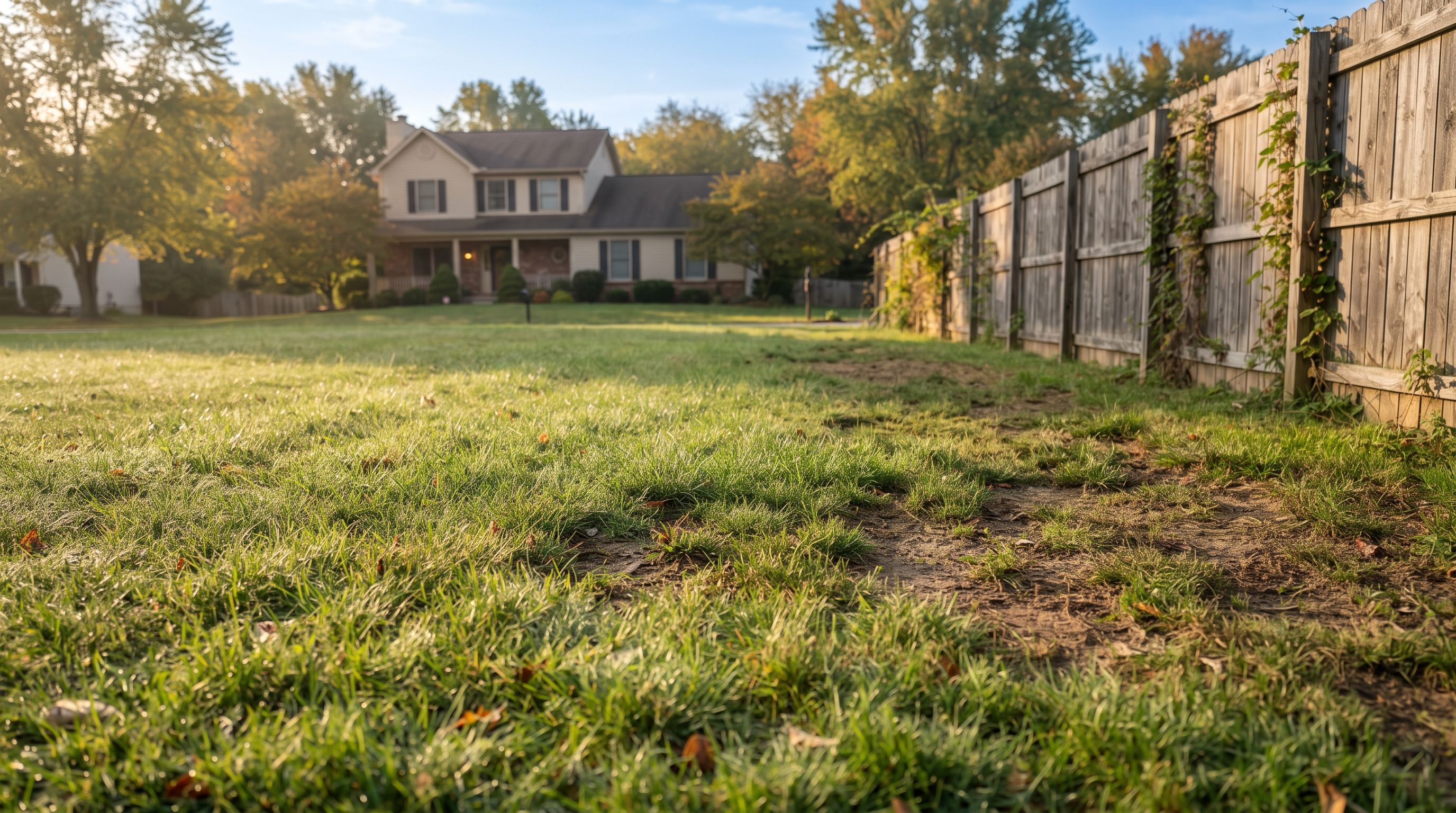
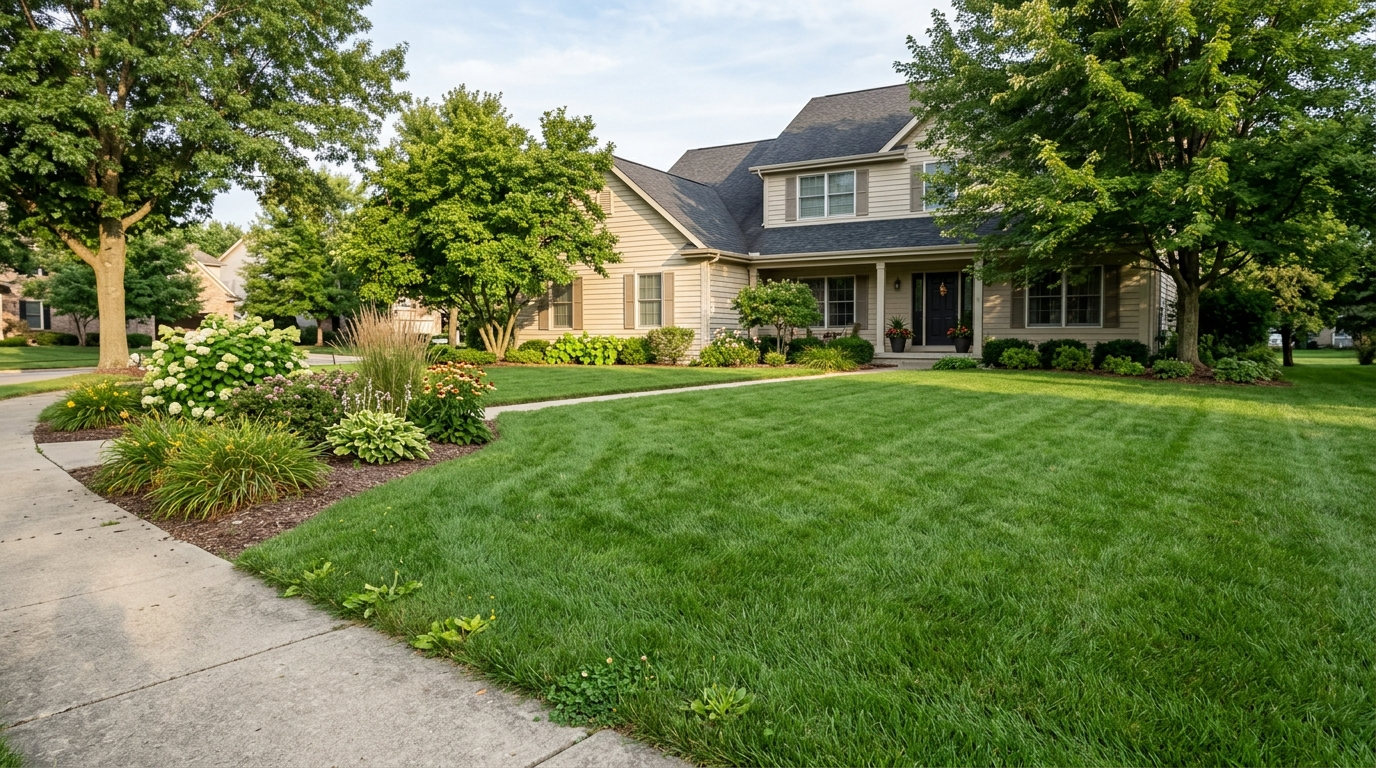
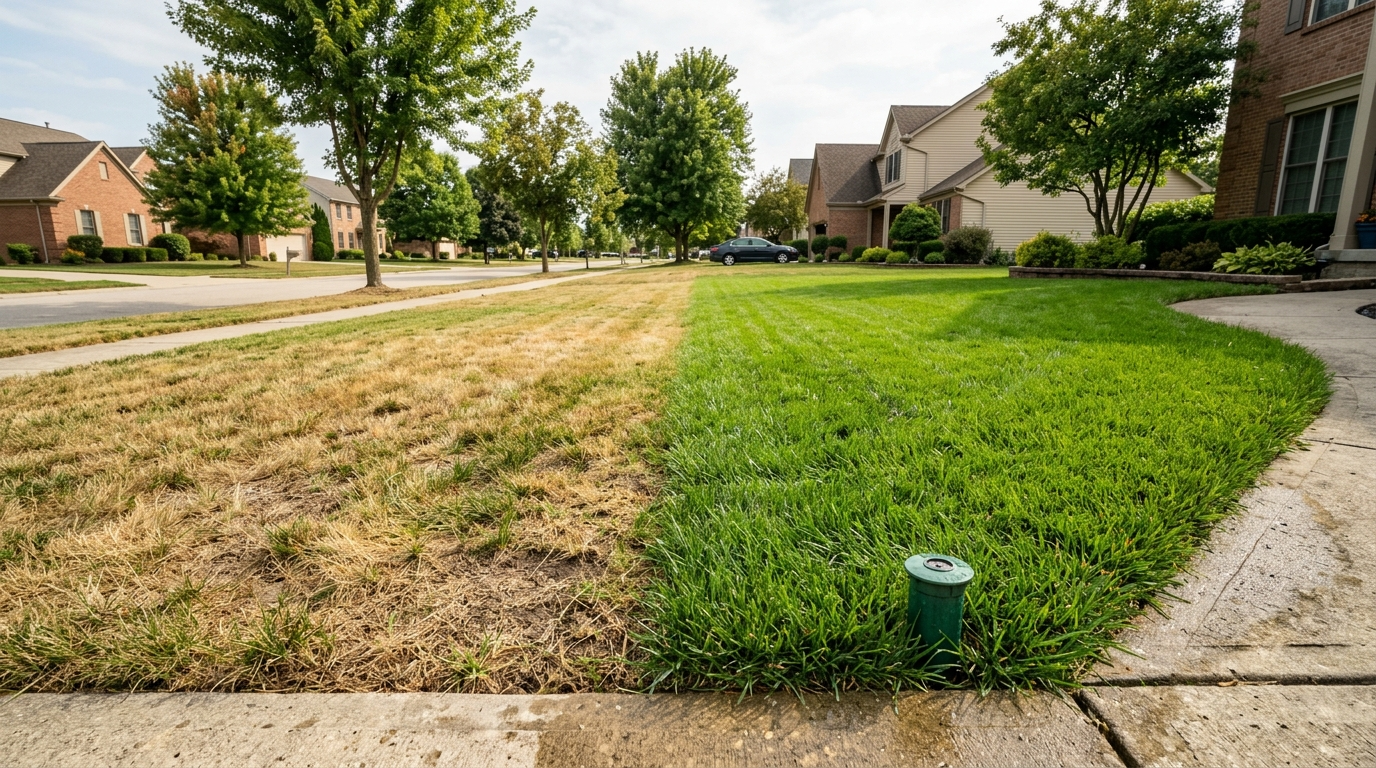
Some properties are settling into a more controlled pattern. They are mowing more evenly, weeds are being held back, and weak areas are easier to identify before they spread. Other lawns are already moving into a reactive season, where each new issue creates the next decision.
That difference is not accidental.
A lawn that enters June with structure behind it is usually easier to manage than a lawn that is just now getting attention.
June Reveals the Difference Between Growth and Control
Most lawns are growing by June.
That does not mean they are under control.
Growth only tells part of the story. A lawn can be green, active, and freshly mowed while still showing signs of instability. Thin areas may still be open. Weeds may be spreading through weak sections. Some parts of the yard may grow quickly while others remain uneven.
Control looks different.
A more controlled lawn shows steadier progress across the property. It does not need to be perfect. It should be moving in the right direction with fewer surprises, less visible weed pressure, and better consistency after mowing.
That is the difference between a lawn that is simply active and a lawn that is being managed.
Prepared Lawns Usually Show More Consistency
A prepared lawn does not wait until problems are obvious.
It enters June with a plan already in motion.
That may include seasonal fertilizer applications, crabgrass prevention, broadleaf weed control, and evaluation of areas that need closer attention. The exact program depends on the property, but the principle is the same.
The lawn is not being handled one issue at a time.
It is being managed through a sequence.
By June, that sequence starts to matter. Applications made earlier in the season are beginning to show their value. Weed pressure is being addressed before it dominates the yard. Growth is being supported before summer conditions create more stress.
Prepared lawns usually do not look controlled because of one treatment. They look controlled because the season has been managed with timing and follow-through.
Reactive Lawns Start Creating More Decisions
A reactive lawn puts the homeowner in a different position.
Instead of following a plan, the season becomes a series of decisions.
What should be done about the weeds?
Why is that section still thin?
Is the lawn just dry, or is something else happening?
Should bare areas be seeded now?
Why does the lawn look worse after mowing?
This is where many homeowners lose confidence.
The lawn is growing, but it does not feel predictable. Every week seems to reveal something new. One issue gets attention, then another appears. The season becomes harder to read because the lawn was not put into a structured path early enough.
By June, waiting often creates more questions, not fewer.
The First Few Weeks of Mowing Tell a Clear Story
Mowing makes lawn problems easier to see.
Before mowing, uneven growth can hide in height. After mowing, the lawn becomes more honest. Thin sections stand out. Weed-heavy areas cut differently. Bare spots become easier to notice. Inconsistent growth patterns show across the yard.
This is why June matters.
By this point, most homeowners have mowed enough times to see whether the lawn is cutting cleanly and recovering evenly.
A lawn that looks reasonably consistent after mowing is in a better position. A lawn that looks patchy, uneven, or weed-heavy after mowing is showing where management needs to improve.
Mowing does not cause most of these issues. It reveals them.
Weed Pressure Becomes Harder to Ignore
Weeds are part of the June conversation.
By early summer, broadleaf weeds and crabgrass pressure can become more obvious, especially in open or thin areas. A lawn with stronger density gives weeds less room to establish. A thin lawn gives them more opportunity.
This is where structure matters.
Weed control is more effective when it is part of a broader lawn care program. If the lawn remains thin, weak, or inconsistent, weeds will continue looking for space. Managing weeds without supporting the lawn around them often leads to short-term improvement without long-term stability.
LawnLogic does not view weed control as a disconnected service.
It is part of managed turf care.
June Is Also a Warning Before Summer Pressure Builds
June is not the hardest part of the season.
It is the warning point before the harder stretch.
As summer approaches, lawns face more heat, more mowing, more foot traffic, more insect pressure, and more periods of dry weather. A lawn that is already thin, weedy, or uneven in early June may have a harder time holding up later.
This does not mean every problem must be solved immediately.
It means June is the time to understand the direction of the lawn.
If the lawn is improving, staying even, and responding well, the season is on better footing. If problems are spreading or becoming more visible, the lawn needs a more deliberate plan before summer makes correction more difficult.
A Prepared Lawn Is Professionally Managed Over Time
The strongest lawns are not managed through guesswork.
They are evaluated, treated, monitored, and adjusted through the season. That is the difference LawnLogic brings to residential and commercial properties across Monroe County, NY and select portions of Wayne and Ontario Counties.
LawnLogic provides structured lawn care programs designed around seasonal timing, coordinated applications, and ongoing evaluation. The goal is not to chase every visible issue separately. The goal is to create a more stable lawn through managed care.
That structure matters most when the season starts moving quickly.
By June, the lawn is telling you whether it has enough support behind it.
What Homeowners Should Look For in Early June
Early June is a good time to step back and look at the lawn as a whole.
Look for patterns, not isolated flaws.
Pay attention to whether the lawn looks even after mowing. Notice where weeds are appearing. Watch whether thin areas are closing in or staying exposed. Look at whether the same weak sections keep returning year after year.
Those patterns matter because they show how the lawn is performing, not just how it looks on one day.
A lawn that is prepared will not be perfect. But it should show signs of control.
Get the Lawn Into a More Controlled Season
The lawn season is no longer starting.
It is starting to show who was prepared.
If your lawn is already showing weeds, thin areas, uneven growth, or weak recovery, LawnLogic can bring the property into a more structured plan for the season ahead.
LawnLogic will evaluate your lawn, identify where the season is exposing weakness, and recommend the appropriate structured lawn care program for your property.
Explore More About Managing Your Lawn
Continue building your understanding of how structured lawn care supports long-term stability.