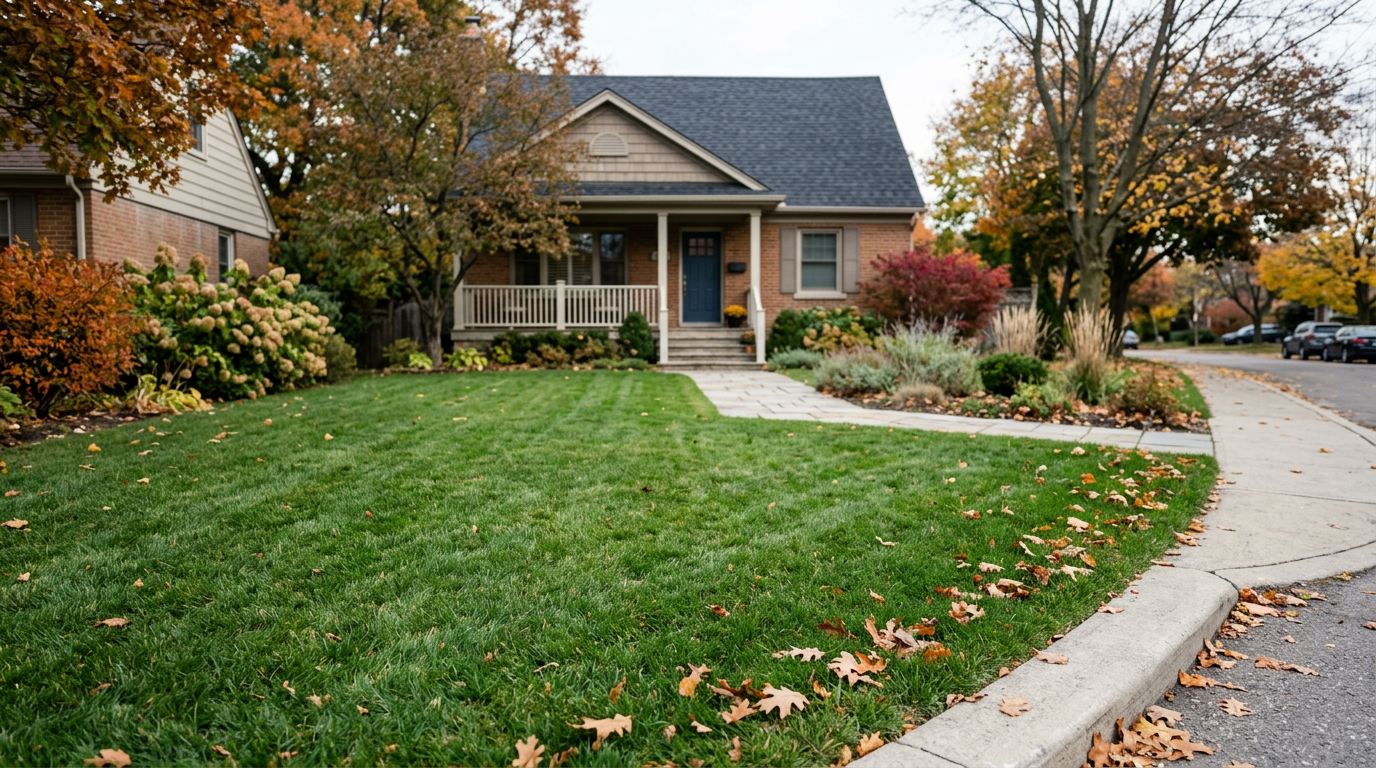
Why Grub Preventers Fail When Applied Too Late
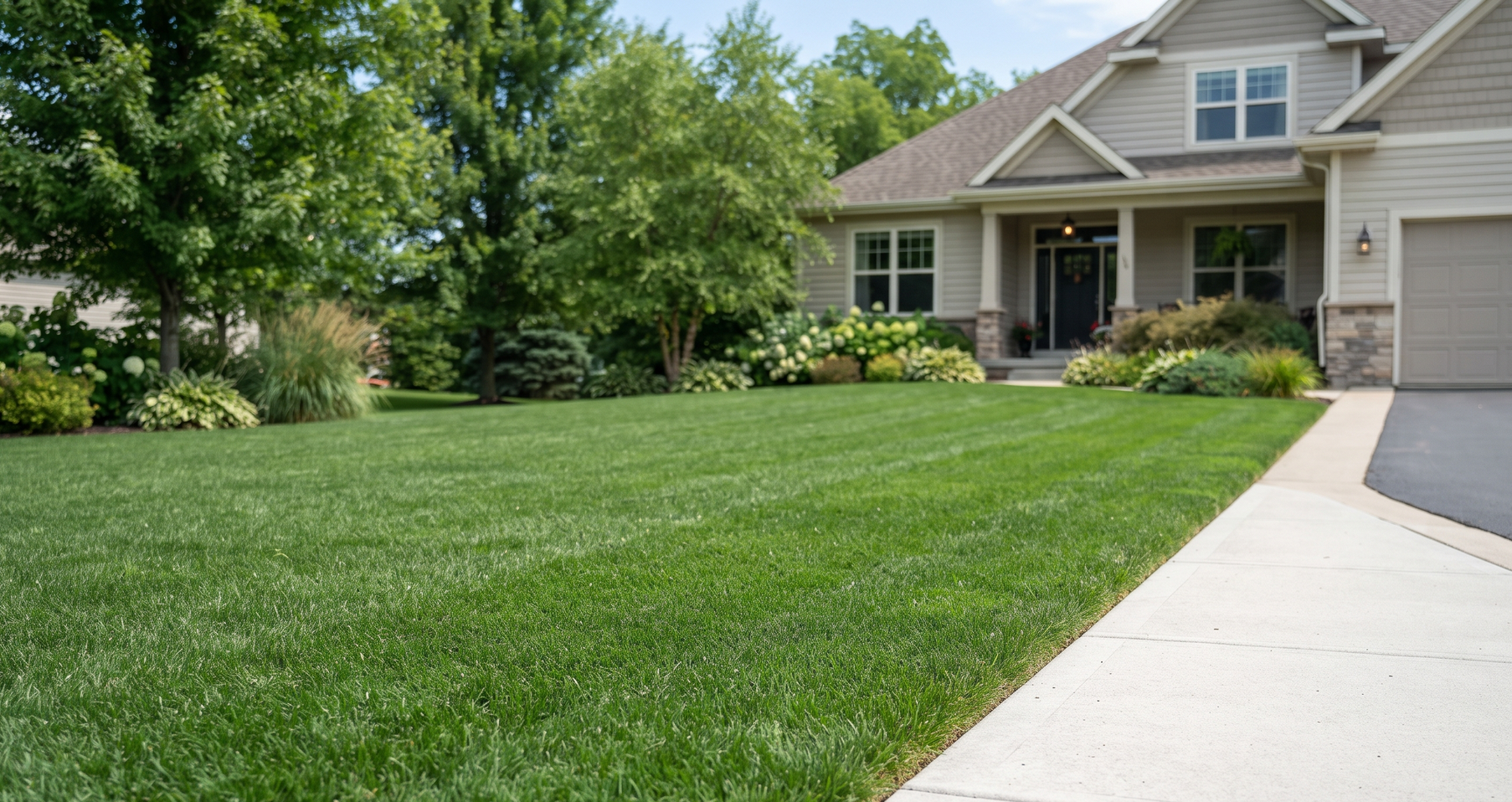
Most homeowners assume grub damage shows up because they skipped treatment. The harder truth is that many properties receive treatment and still show damage. Not because the product failed. Because the application came after the biology had already moved past the point where prevention is possible. Grub control in Monroe County follows a narrow calendar window that most generic lawn care advice glosses over, and missing it by even a few weeks produces the same outcome as skipping it entirely.
This post explains why that window closes, what happens inside the soil when it does, and how to read your lawn accurately before assuming grubs are the cause.
The Product Only Works During One Specific Life Stage
Preventive grub products are not broad-spectrum pesticides. They target a specific larval stage, and that stage is brief. The active ingredients in most preventive formulations work by being present in the soil when eggs hatch and young larvae begin feeding near the surface. If the product reaches the soil before that window, it has time to move through the thatch layer and position correctly. If it arrives after larvae have grown past that early feeding stage, the chemistry no longer matches the biology.
Japanese beetles in the Rochester and Monroe County area typically begin laying eggs in late June through mid-July. Eggs hatch within two to three weeks depending on soil moisture and temperature. That puts the critical feeding window, when larvae are small and vulnerable to preventive chemistry, squarely in late July and early August. Applications made in August, even early August, are frequently too late to intercept first instar larvae before they establish feeding zones deeper in the root zone.
The window is real, it is product-specific, and it closes faster than most homeowners expect.
Summer Lawn Stress Is Frequently Misread as Grub Damage
This is the most common misdiagnosis we encounter in late July and August. A lawn that turns brown or shows irregular dry patches almost always gets blamed on grubs. Sometimes that is accurate. More often, the damage pattern is heat stress, localized drought stress, or surface fungal activity that mimics what grub damage looks like from a distance.
The reliable test is physical. Pull back a one-square-foot section of turf where the stress is most visible. Grub damage will show a severed root zone, loose turf that lifts easily, and visible larvae in the top two to three inches of soil. More than three to five grubs per square foot is a meaningful threshold. Fewer than that rarely produces the damage pattern you are seeing. If the roots are intact and the soil is dry throughout, grubs are almost certainly not the cause.
Getting this wrong matters because it changes which product you need. Preventive chemistry and curative chemistry are not interchangeable. Applying a preventer to an active grub population accomplishes nothing. A curative product is the appropriate next step in that situation, and it requires a different application approach entirely.
Grubs Do Not Announce Themselves
Grub activity happens out of view, which is part of why prevention timing feels abstract. By the time irregular brown patches appear and fail to respond to watering, larvae have been feeding on root tissue for weeks. The turf above looks fine until the root zone is compromised enough that the plant cannot pull moisture under heat stress. That threshold is crossed quietly, with no surface signal until the damage is established.
Soil temperature drives this timeline more directly than calendar date. In Monroe County, soil temperatures in the upper few inches typically reach the range that triggers egg-laying activity in late June, though a cooler spring pushes that slightly later. A cooler June followed by a hot July compresses the egg-laying and hatching window significantly. This is why the same application date does not produce the same result every year. Properties that rely on fixed calendar dates without accounting for seasonal variation carry real exposure in years when the timeline shifts.
Late Applications Produce a False Sense of Coverage
One of the patterns we encounter most often is a property where a preventive grub treatment was applied in late July or early August, the homeowner assumed coverage was in place, and damage still appeared in September. The frustration is understandable. Money was spent. But late-applied preventers do not simply underperform at the margins. They produce no meaningful protection because the larvae have already passed the stage the chemistry targets.
This creates a downstream problem that extends into the following year. Grub damage appearing in September looks like drought recovery failure, especially after a dry summer. Dead patches get attributed to late-season heat. Grubs often go unidentified as the actual cause until the following spring, when the turf simply does not come back. Correct timing is not a refinement. It is the entire mechanism by which the product works.
What Homeowners Ask Before Scheduling Grub Control
It is already mid-July. Did I miss the window?
Possibly, but not necessarily. In a cooler, wetter June, the beetle activity and egg-laying timeline runs slightly later. If it is mid-July and you have not applied, scheduling immediately still gives the product a reasonable chance to reach the soil before egg hatch peaks. Waiting past late July in a warm season is where risk becomes significant. Call and get a read on where the local season stands before assuming you are too late.
I applied a grub preventer last year and still got damage. What went wrong?
Timing is the most likely cause, but it is not the only one. Post-application watering matters more than most homeowners realize. Preventive chemistry has to move through the thatch layer and into the soil to reach the target zone. If rainfall was limited and the lawn was not watered in after application, the product may have never traveled far enough to be effective. Application rate and product concentration are also factors, particularly with consumer-grade formulations. A treatment that looks complete on the surface can fail silently if any one of those conditions is off.
My neighbor applied a product from a big box store. Why would that be different from a professional application?
Consumer-grade products often carry lower concentrations of the same active ingredients found in professional formulations. Application rate, soil contact, and post-application watering all affect whether the chemistry reaches the target zone. We regularly see properties where the homeowner applied the product correctly but watered insufficiently afterward, which prevents the chemistry from moving through the thatch layer and effectively negates the treatment.
Grub Damage Has a Defined Recovery Path
Damage that occurs does not mean permanent loss. Root-zone recovery, aeration and overseeding in fall, and structured soil management through the following season can restore affected areas. Recovery is slower than prevention, and it requires an accurate read of the damage extent before any work begins.
LawnLogic provides structured grub control through our Lawn Care Programs and as a standalone service for properties where timing is the immediate concern. If your lawn is showing stress patterns this summer and you are unsure whether grubs are involved, contact our team. We will assess what is actually present before recommending any application, so you are not spending money on chemistry that does not match the problem.
Request a grub control assessment
Explore More About Managing Your Lawn
Continue building your understanding of how structured lawn care supports long-term stability.