Why Crabgrass Comes Back Every Summer Even After a Spring Treatment
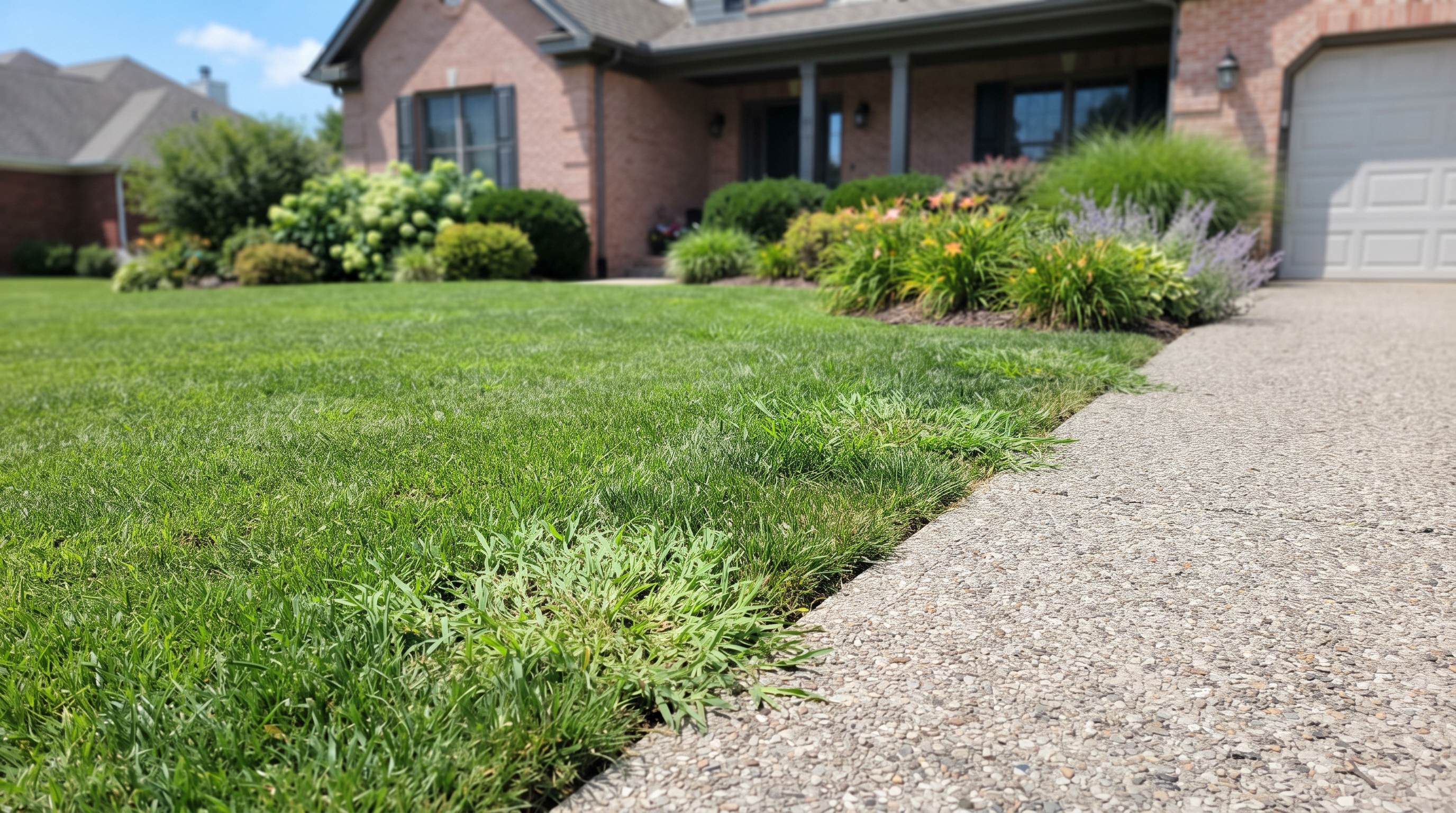
You did what you were supposed to do. A pre-emergent went down in April, the lawn looked clean through May and into June, and now it is mid-July and crabgrass is spreading across areas you were certain were covered. This is one of the most common frustrations we hear from homeowners seeking weed control in Rochester, NY. The explanation has less to do with product failure than it does with something most one-time treatments are never designed to handle: crabgrass does not germinate once. It germinates in waves, and in this region, that window runs from late April through late July.
A single spring application handles the first wave. It was never built to handle the rest.
Pre-Emergent Coverage Has a Biological Expiration, Not Just a Calendar One
Pre-emergent herbicides work by forming a chemical barrier in the upper layer of soil. When crabgrass seeds attempt to germinate and push roots through that layer, the barrier interrupts the process. It does not last indefinitely.
Breakdown depends on rainfall volume, soil temperature, UV exposure, and microbial activity. In a wet spring followed by a hot early summer, which describes most Rochester-area seasons, that barrier can degrade weeks earlier than the label's general timeframe suggests. A thorough April application may hold through late May. By late June, coverage is thinner. By mid-July, in areas where water pools, runoff channels, or foot traffic disrupts soil, the barrier may be functionally gone.
The crabgrass appearing now is not from seeds that escaped your spring treatment. It is from seeds that germinated after the barrier already broke down.
Thin Turf Creates the Conditions Crabgrass Needs to Establish
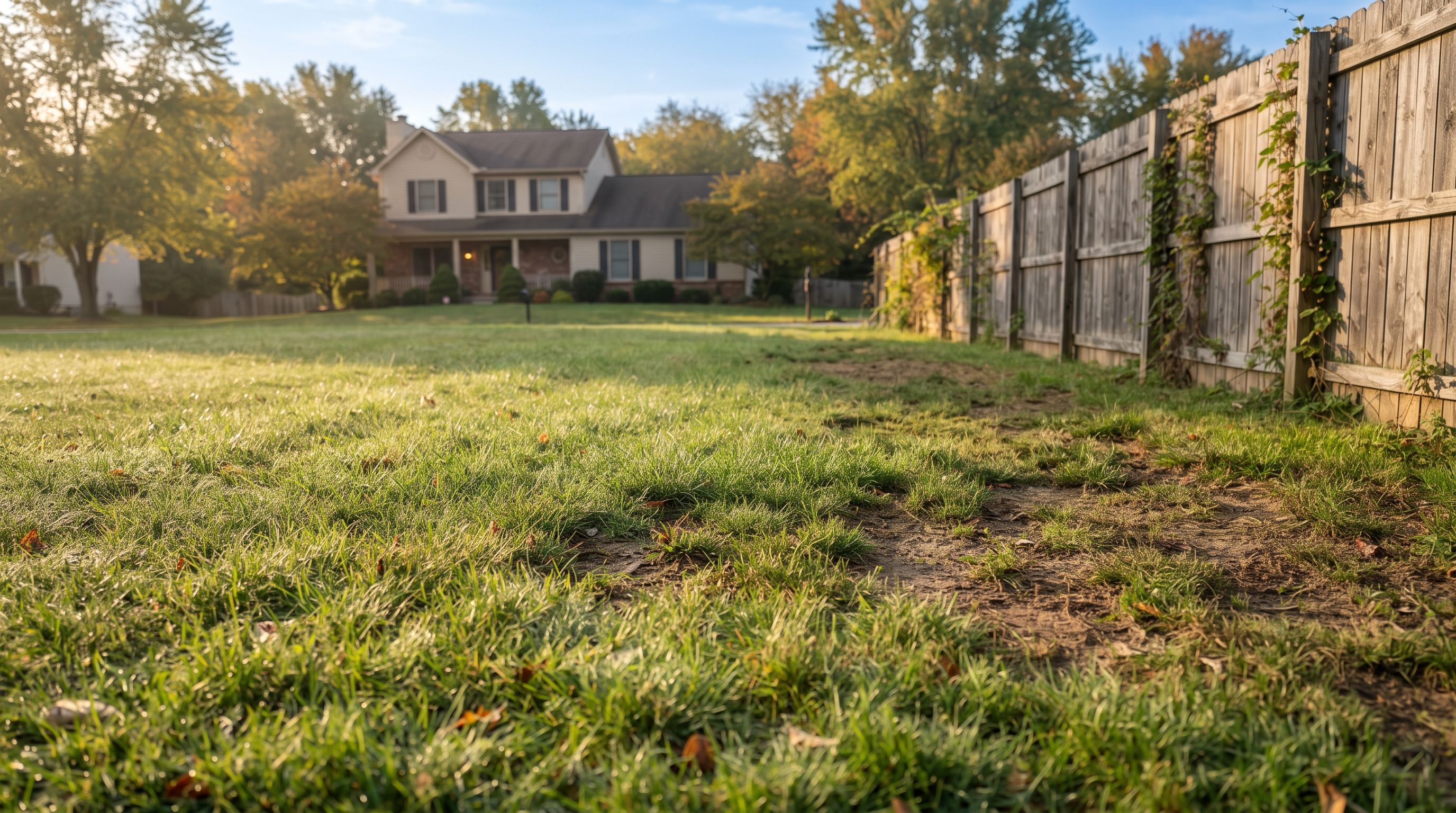
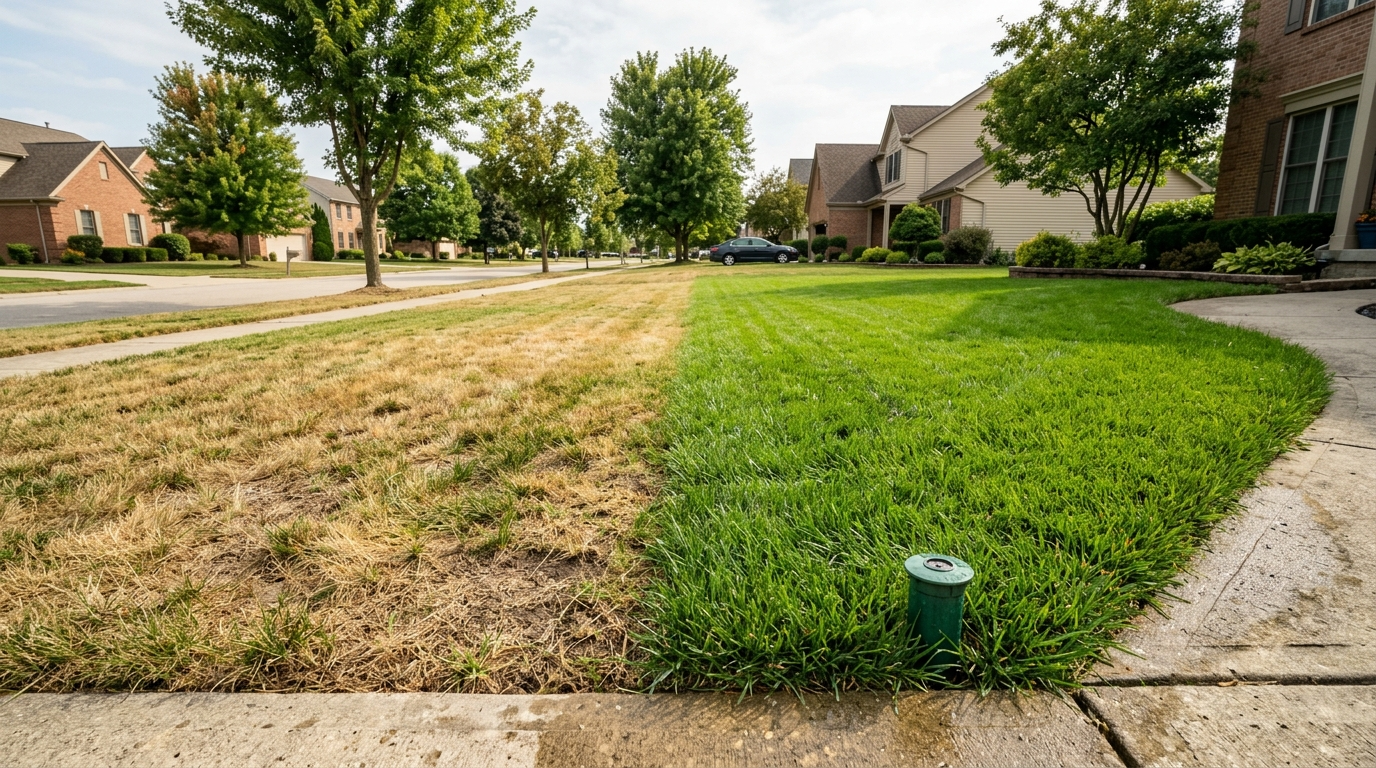
The pattern we encounter most often is that crabgrass concentrates in the same spots every year. Along driveways. Near sidewalk edges. In low areas that drain slowly. In thin strips where grass never quite established after a previous problem.
These are not coincidences. Crabgrass is an opportunistic annual. It requires open soil, light reaching the soil surface, and warmth. Dense, healthy turf physically blocks it by shading the soil and competing for the same resources. Where turf density is low, those conditions exist regardless of what pre-emergent was applied. A spring treatment that performed well in dense areas will fail in thin areas because thin turf cannot close the canopy and hold the biological advantage.
The product did its job. The lawn did not have the density to back it up.
That distinction matters because it changes what needs to happen next. Treating the symptom without addressing density leaves the same conditions in place for next season.
Once Crabgrass Is Growing, the Approach Changes Entirely
Once crabgrass has germinated and is visibly growing, pre-emergent chemistry no longer applies. You are now dealing with an established plant, not a germinating seed.
Post-emergent control works, but timing is everything. Young plants with two to four tillers respond well to treatment. Plants that have been growing for several weeks and are starting to spread laterally are harder to knock back. By August, mature crabgrass that has already set seed is largely beyond effective chemical control for the current season.
The window in mid-July is real. It is not unlimited.
Applications at this stage require the right product, the correct concentration for plant size, and follow-up evaluation to confirm the response. A general broadleaf herbicide or a hardware store product does not produce reliable results here. Misapplication can stress desirable grass alongside the crabgrass, leaving thin areas even more exposed going into fall.
What Homeowners Ask After Their First Summer Breakthrough
I applied a pre-emergent myself in April. Why did it still fail?
Timing is one factor, but application rate and distribution matter equally. Coverage gaps, dilution from immediate heavy rain, or application over areas where soil was already disturbed all compromise the barrier. We regularly see lawns where a pre-emergent was applied but missed edges, areas near downspouts, or spots where the lawn was scalped during early mowing. Those gaps become the exact locations where July crabgrass concentrates.
The crabgrass is only in a few spots. Can I just pull it?
Pulling established crabgrass by hand is not an effective strategy. The root system is shallow but fibrous, and incomplete removal leaves viable plant material behind. More critically, one crabgrass plant at peak summer can produce tens of thousands of seeds before the fall frost. Those seeds deposit into the same thin areas and increase next year's pressure significantly. Removal without seeding that area in fall leaves the same conditions in place.
If I ignore it now, will it just die off in the fall anyway?
It will. Crabgrass is an annual and it dies with the first frost. The problem is what it leaves behind. Before it dies, a single mature plant deposits thousands of seeds directly into your soil. Those seeds overwinter and germinate next spring, often in higher concentrations than the year before. Ignoring a July outbreak does not reset the situation. It compounds it.
Should I seed the thin areas now to close the gaps?
Late summer seeding in the Rochester area generally targets September, after soil temperatures moderate and crabgrass is no longer actively competing. Seeding into an area still occupied by actively growing crabgrass produces poor establishment. The correct sequence is control first, then soil correction if needed, then Aeration and Overseeding in the right window. Trying to seed over a crabgrass problem accelerates neither goal.
Structured Programs Prevent This From Becoming a Recurring Problem
A single spring treatment addresses one part of one season. Properties that cycle through the same crabgrass problem year after year are typically managing it reactively rather than structurally.
LawnLogic's Lawn Care Programs include supplemental crabgrass control rounds that account for the full germination window, not just the April peak. The Enhanced and Premium programs are specifically designed to extend pre-emergent coverage and add post-emergent intervention capacity when breakthrough occurs.
Managing a lawn well means anticipating the patterns that repeat on your specific property. That requires a program structure built around how your lawn actually behaves across a full season.
Ready to Stop Repeating the Same Season
If you are looking at crabgrass growth right now and wondering whether it is too late to act, the direct answer is no. But the window narrows through August, and waiting costs options.
Contact LawnLogic to have your lawn evaluated and to understand which program structure fits the density and stability your property needs heading into fall. We serve residential and commercial properties throughout Monroe County and surrounding areas.
Explore More About Managing Your Lawn
Continue building your understanding of how structured lawn care supports long-term stability.