What Happens to Roots When Soil Oxygen Drops

Healthy lawns depend on more than fertilizer, rainfall, and mowing height. They also depend on what is happening below the surface, where grass roots need a steady supply of oxygen to stay active. When soil oxygen drops, the problem is not always obvious right away. The lawn may still look acceptable for a period of time. Then growth slows, color becomes inconsistent, and weak areas start showing up in places that never seem to hold up well.
This is one of the reasons some lawns stay stuck in a cycle of decline even when they are being watered and fed. The issue is not always a lack of nutrients. In many cases, the real problem is that the root zone is not functioning properly because the soil is staying too tight, too wet, or too sealed off from air movement.
Understanding what happens to roots when soil oxygen drops helps explain why lawns lose strength, why recovery slows down, and why some properties need more than surface-level treatment to regain stability.
Why Lawn Roots Need Oxygen
Grass roots are living tissue. They do not just sit in the soil and absorb water. They are constantly active, taking in oxygen and using it to produce the energy required for growth, nutrient uptake, and repair.
That process matters for several reasons:
Root growth depends on energy production
Roots need oxygen to convert stored sugars into usable energy. That energy supports cell division, elongation, and the continued development of the root system. When oxygen levels fall, the root system cannot operate at the same level.
Water and nutrient uptake depend on active roots
A lawn may have moisture in the soil and nutrients available in the root zone, but roots still need energy to take those materials in efficiently. If oxygen drops, uptake slows. That means the lawn can start showing stress even when water and fertility are technically present.
Root recovery depends on healthy soil conditions
Roots are regularly responding to stress from heat, foot traffic, mowing, and natural seasonal pressure. Oxygen helps support that recovery. When it is missing, the lawn becomes less capable of correcting itself.
How Soil Oxygen Drops in the First Place
Soil oxygen does not usually disappear for no reason. It drops when air spaces in the soil become limited or blocked. In most residential lawns, that happens because of a few common conditions.
Compaction reduces pore space
Healthy soil has small spaces between particles where air and water move. When soil becomes compacted, those spaces shrink. The tighter the soil becomes, the harder it is for oxygen to reach the root zone.
This often happens in areas with repeated foot traffic, heavy equipment use, or naturally dense soil. It can also develop gradually over time on lawns that have not been managed with soil performance in mind.
Saturated soil pushes air out
When the soil stays overly wet, water fills the pore spaces that would normally hold air. Roots are then left in an environment with limited oxygen. This can happen after heavy rainfall, excessive irrigation, poor drainage, or a combination of all three.
A lawn does not need standing water to have this problem. It only needs a root zone that stays wet enough, long enough, to reduce gas exchange.
Thatch and surface sealing can restrict movement
A dense thatch layer or sealed soil surface can slow the movement of water and air into the soil profile. In some lawns, the surface becomes so resistant that the root zone underneath stays functionally restricted even without obvious mud or puddling.
What Happens to Roots as Oxygen Levels Fall
Once oxygen becomes limited, the root system starts losing efficiency. The damage is not always immediate, but the decline begins below the surface before most homeowners notice it above ground.
Root respiration slows down
The first issue is reduced respiration. Roots need oxygen to fuel normal metabolic activity. Without enough of it, their ability to generate energy drops. That creates a chain reaction through the entire plant.
Growth slows first. Then the lawn becomes less responsive. Eventually, areas that should be improving after rain, fertilizer, or seasonal recovery stay weak instead.
Root growth becomes shallow and limited
When oxygen is consistently low, roots often stop extending deeper into the soil. Instead of building a broader, stronger system, the plant shifts into survival mode. Root depth and density begin to decline.
That matters because shallow roots dry out faster, struggle more during heat, and make the lawn less stable overall. A lawn with weak root depth may look acceptable during mild conditions, then fall apart during summer pressure.
Nutrient uptake becomes less efficient
Low oxygen reduces the root activity needed to absorb nutrients properly. Even if a lawn receives fertilizer on schedule, the plant may not be able to make full use of it when the root zone is under oxygen stress.
This is one reason a lawn can appear underperforming even when the fertility plan looks correct on paper. The issue is not always what was applied. The issue may be whether the root system was capable of using it.
Water regulation becomes less reliable
Healthy roots help the plant regulate moisture efficiently. When roots are weakened by poor oxygen availability, the lawn becomes less balanced. It may wilt faster in dry periods and stay stressed longer after heavy moisture.
That inconsistent response is often what makes lawns seem unpredictable. One area handles weather changes reasonably well, while another area turns thin, pale, or weak with every shift in conditions.
Root tissue can begin to decline
If low oxygen conditions persist, root tissue can begin to deteriorate. At that stage, the plant is no longer just slowing down. It is losing functional root mass.
As roots decline, the lawn becomes more vulnerable to secondary problems such as disease pressure, thinning, poor color, and failure to recover from normal wear.
What This Looks Like Above Ground
Most homeowners do not see the root problem directly. They see the surface symptoms. The challenge is that those symptoms often look like other lawn issues at first.
Common signs tied to poor root oxygen include:
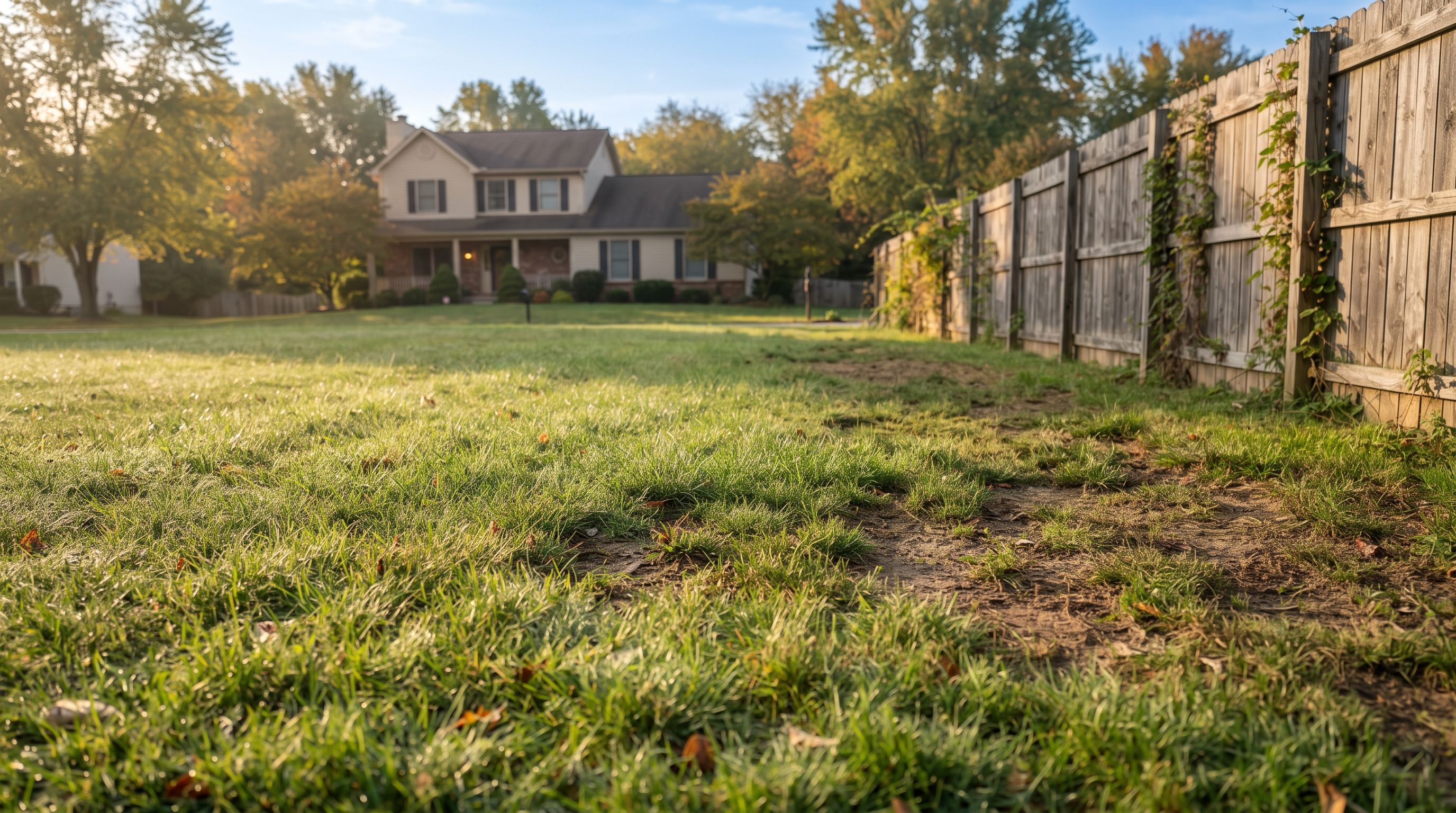
Thinning that keeps returning
The lawn may improve briefly, then thin back out in the same areas. This usually points to an underlying stability issue rather than a one-time surface problem.
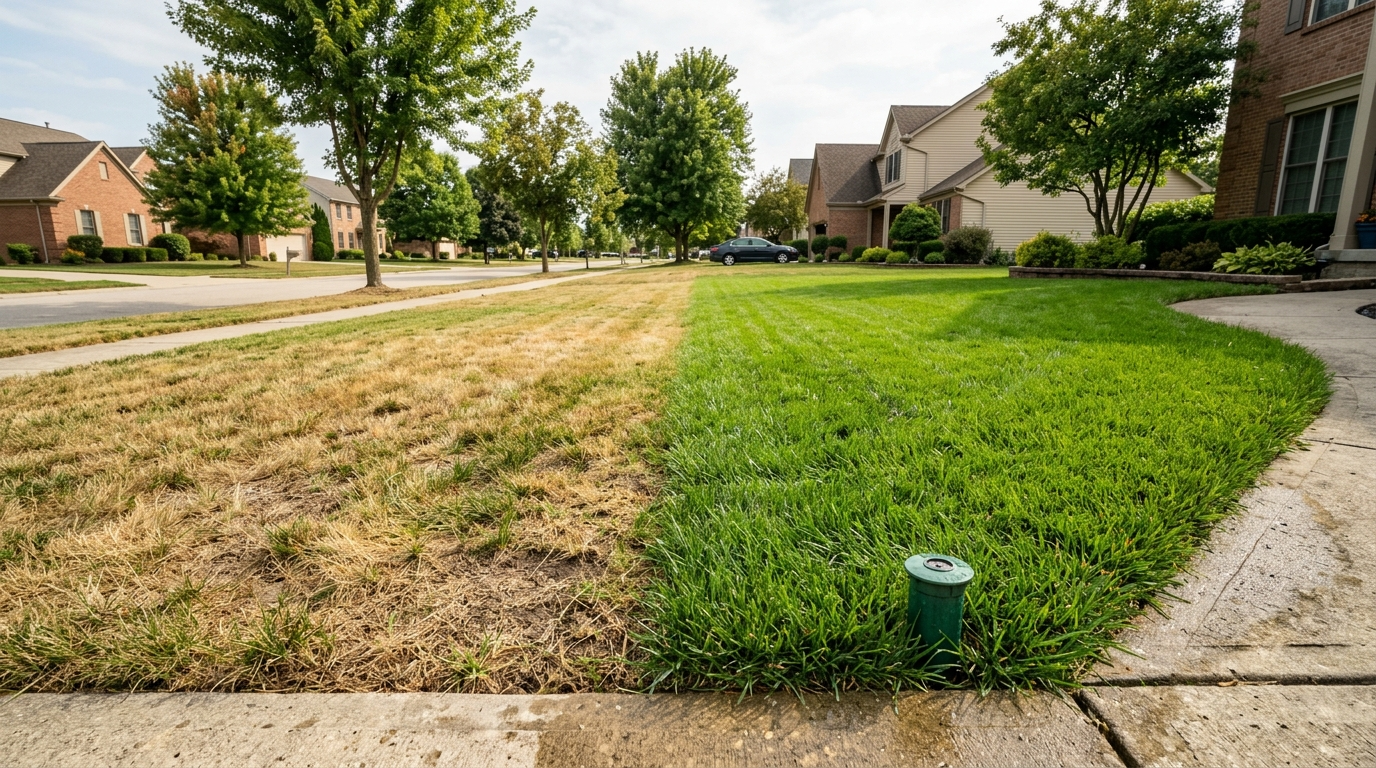
Uneven color across the yard
Low-oxygen areas often produce inconsistent growth and weaker nutrient response. The result can be a lawn that looks patchy or uneven even when it is being treated consistently.
Poor response after rain or treatment
Healthy lawns usually respond to favorable conditions. Weak root systems do not. If the lawn stays sluggish after weather improves or after a fertilizer round, root function may be part of the problem.
Soft, weak, or stressed turf in wet-prone areas
Sections that stay damp longer than the rest of the property often show reduced density and reduced durability. These are common places for oxygen-related root stress to show up first.
Summer decline that seems worse than expected
Lawns with shallow or weakened roots struggle more during heat because they cannot access moisture effectively or maintain steady growth under pressure.
Why Low Oxygen Creates Long-Term Lawn Instability
A temporary period of poor oxygen can slow the lawn down. A repeated pattern of poor oxygen can change how the lawn performs across entire seasons.
That is where the real problem begins. The lawn stops acting like a stable system and starts acting like a reactive one.
Instead of maintaining density, it fluctuates. Instead of recovering normally, it lags. Instead of handling weather changes with consistency, it becomes vulnerable to every stress event. Thin areas, weed pressure, and uneven growth become more common because the root system never gets fully reestablished.
This is also why some lawns get locked into a cycle of repeat correction. The visible issue changes from season to season, but the underlying condition remains the same. Weak soil oxygen limits root performance, and weak root performance limits everything else.
Conditions That Commonly Lead to Low Soil Oxygen
Some properties are more likely to deal with this problem than others. The most common contributing factors include:
Heavy soil composition
Dense soils naturally hold less air when wet and can compact more easily over time.
Frequent irrigation
Watering too often can keep the soil overly saturated, especially when the lawn is not drying properly between cycles.
Drainage limitations
Low spots, runoff patterns, and areas that collect water can all reduce oxygen in the root zone.
Repeated traffic
Pets, play, foot traffic, and equipment movement all increase compaction pressure.
Thick surface buildup
Excess thatch and surface sealing can interfere with air exchange and slow root zone recovery.
How to Support Better Root Oxygen
Improving soil oxygen is not about chasing a quick visual response. It is about restoring better conditions for the root system to function over time.
Improve soil structure
The goal is to create better movement of air, water, and nutrients through the profile. This is one reason soil-focused support matters in a structured lawn care program.
Reduce chronic saturation
Watering practices should match actual lawn needs, not habit. Lawns that stay wet too frequently are more likely to develop oxygen-related stress.
Address compaction pressure
Areas with recurring weakness often need targeted attention to relieve soil tightness and improve root zone performance.
Manage the lawn seasonally, not reactively
Root strength is built through consistent management, not isolated fixes. Fertility, weed control, soil support, and seasonal evaluation all work better when they are coordinated.
The Bigger Takeaway
When soil oxygen drops, roots lose the ability to operate normally. Growth slows, uptake weakens, depth declines, and the lawn becomes less stable overall. What starts below the surface eventually shows up above it as thinning, uneven color, recurring weak spots, and poor seasonal performance.
That is why lawn stability cannot be judged by surface appearance alone. A lawn may look like it has a nutrient issue, a watering issue, or a heat issue when the deeper problem is actually root stress caused by poor soil oxygen.
The stronger the root system, the more consistent the lawn tends to be. The weaker the root environment, the more likely the property is to stay in a cycle of correction.
LawnLogic FAQ
Can roots recover after soil oxygen drops?
Yes, but recovery depends on how long the oxygen levels stayed low and whether the underlying soil issue is corrected. Short-term stress can be reversible. Repeated low-oxygen conditions usually require more deliberate soil and lawn management.
Does overwatering reduce soil oxygen?
Yes. When soil stays too wet, the pore spaces that normally hold air remain filled with water. That limits oxygen availability in the root zone and can weaken root performance over time.
Is compaction related to low soil oxygen?
Yes. Compaction reduces the air space within the soil, which limits oxygen movement to the roots. This is one of the most common causes of poor root performance in residential lawns.
Why does my lawn still look weak after fertilizer?
Fertilizer helps when the root system is active enough to use it properly. If the soil is compacted or oxygen levels are too low, the lawn may not respond as expected even when nutrients are present.
What parts of the yard usually show this problem first?
Areas with poor drainage, repeated traffic, dense soil, or recurring thinning are often the first places to show low-oxygen root stress.
Build a Lawn From the Root Zone Up
Strong lawns are not held together by surface color alone. They hold together because the root system has the oxygen, space, and support it needs to function properly. That is why LawnLogic approaches
lawn care as structured turf management, not disconnected treatments. When root performance improves, lawn stability improves with it.
Explore More About Managing Your Lawn
Continue building your understanding of how structured lawn care supports long-term stability.