Why Root Health Determines Your Entire Lawn Season
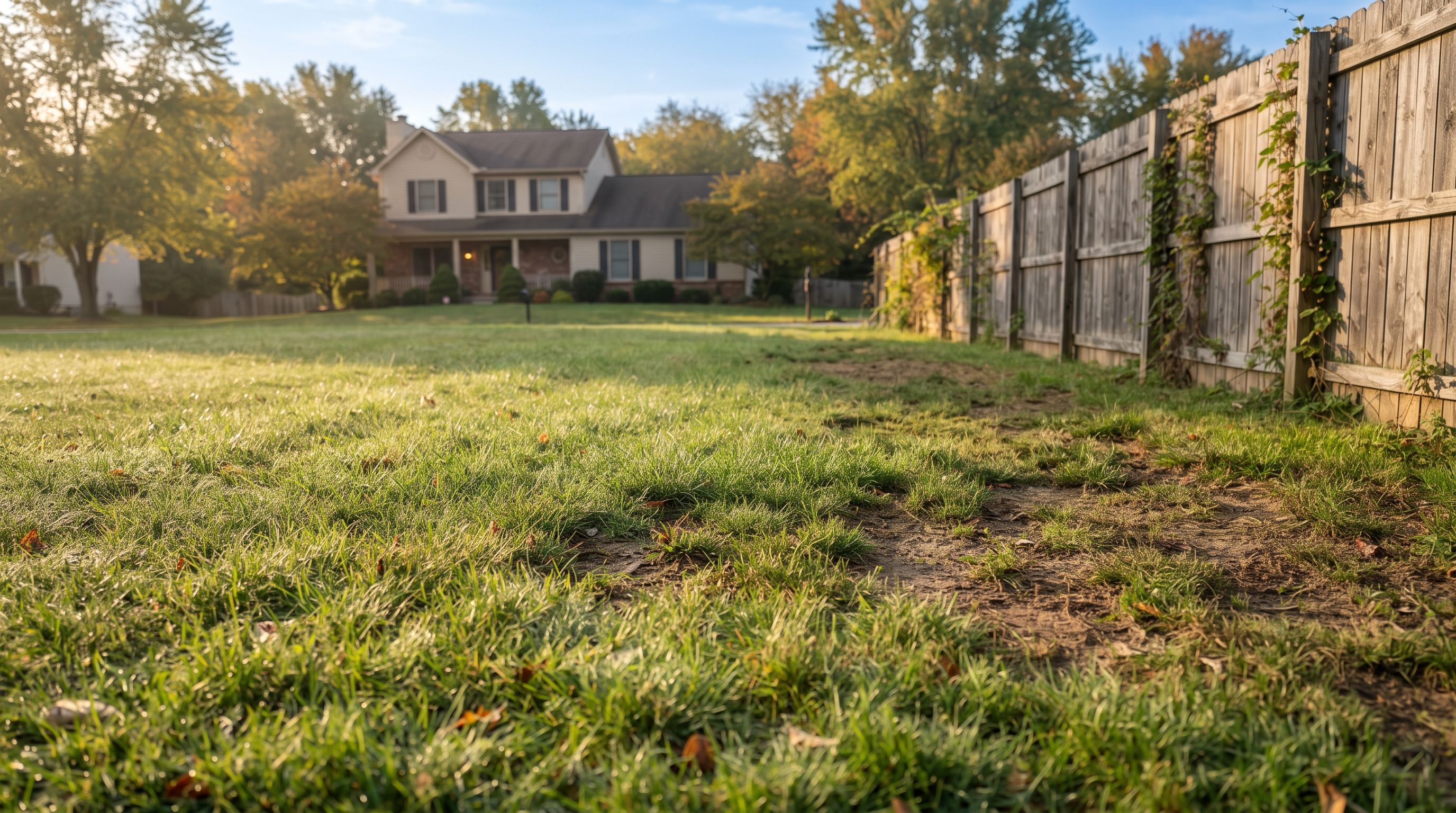
When spring arrives, most attention goes to what you can see. Color, thickness, weeds, and bare spots quickly become the focus.
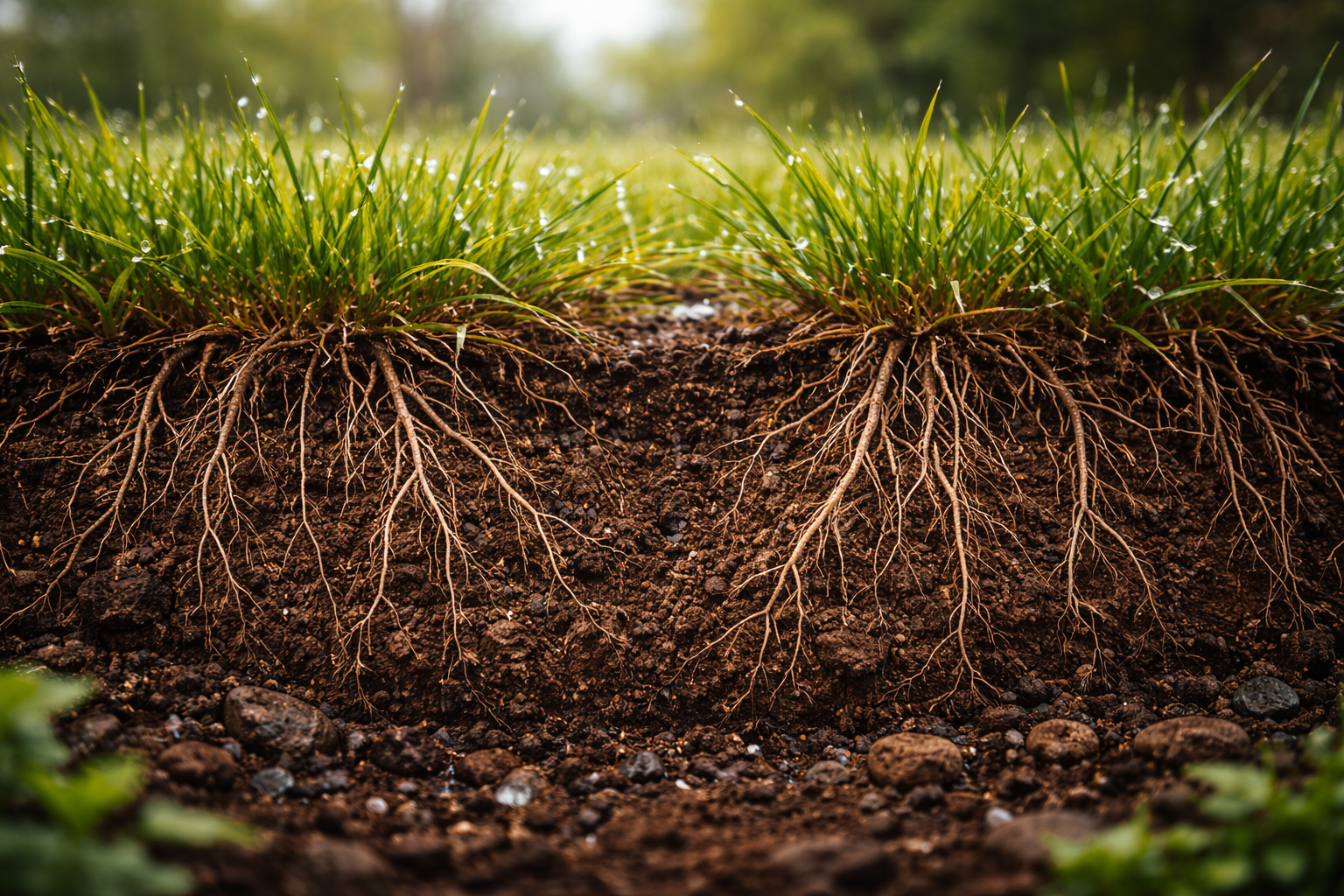
But what determines how your lawn performs over the next six months is happening below the surface. Root health drives everything.
If roots are active, stable, and expanding, the lawn strengthens steadily. If roots are restricted, shallow, or stressed, no surface treatment can fully compensate. The season is decided underground.
What Roots Actually Do
Roots anchor the plant, but their role extends far beyond holding grass in place. They absorb water, pull nutrients from the soil, regulate growth response, and help the lawn tolerate heat and dry periods later in the summer.
When roots are strong, the lawn handles stress more predictably. When they are weak or limited, stress shows quickly. Color fades faster, thin areas widen, and recovery slows. Above-ground appearance is simply a reflection of below-ground condition.
Why Early Spring Is Critical
After winter dormancy, roots must re-activate before visible growth becomes consistent. As soil temperatures stabilize, roots resume absorbing water and nutrients. If soil remains compacted, oversaturated, or unstable from freeze-thaw movement, root expansion slows.
The lawn may appear to respond temporarily to fertilizer, but without strong root function, that growth remains shallow and uneven. Early spring is when roots either regain strength or remain restricted, and that difference shapes the rest of the year.
Shallow Roots Create Seasonal Instability
When root systems remain shallow, the lawn becomes reactive. It depends heavily on frequent watering, struggles during hot stretches, loses density more quickly under stress, and becomes more vulnerable to weeds and insects.
Shallow roots cannot support consistent growth. They respond to short-term inputs instead of building long-term stability. Deep, active roots create resilience.
Soil Conditions Determine Root Strength
Roots do not grow freely in every soil condition. Compacted soil restricts expansion. Excess moisture reduces oxygen availability. Imbalanced timing of treatments can disrupt early root development.
If soil structure is uneven, roots expand unevenly, and that unevenness shows up as patchy growth above ground. Correcting surface appearance without addressing soil readiness often produces temporary improvement rather than lasting stability.
Roots require oxygen, balanced moisture, and space to expand. Without those conditions, progress stalls.
Why Fertilizer Cannot Replace Structure
Fertilizer supports growth, but it does not replace structural stability. If roots are restricted, nutrients cannot be absorbed efficiently. The lawn may green up briefly, but density and resilience remain limited.
Healthy root systems allow fertilizer to work properly. Without them, fertilization becomes cosmetic rather than foundational. Root activation should precede aggressive feeding.
What Strong Root Development Feels Like
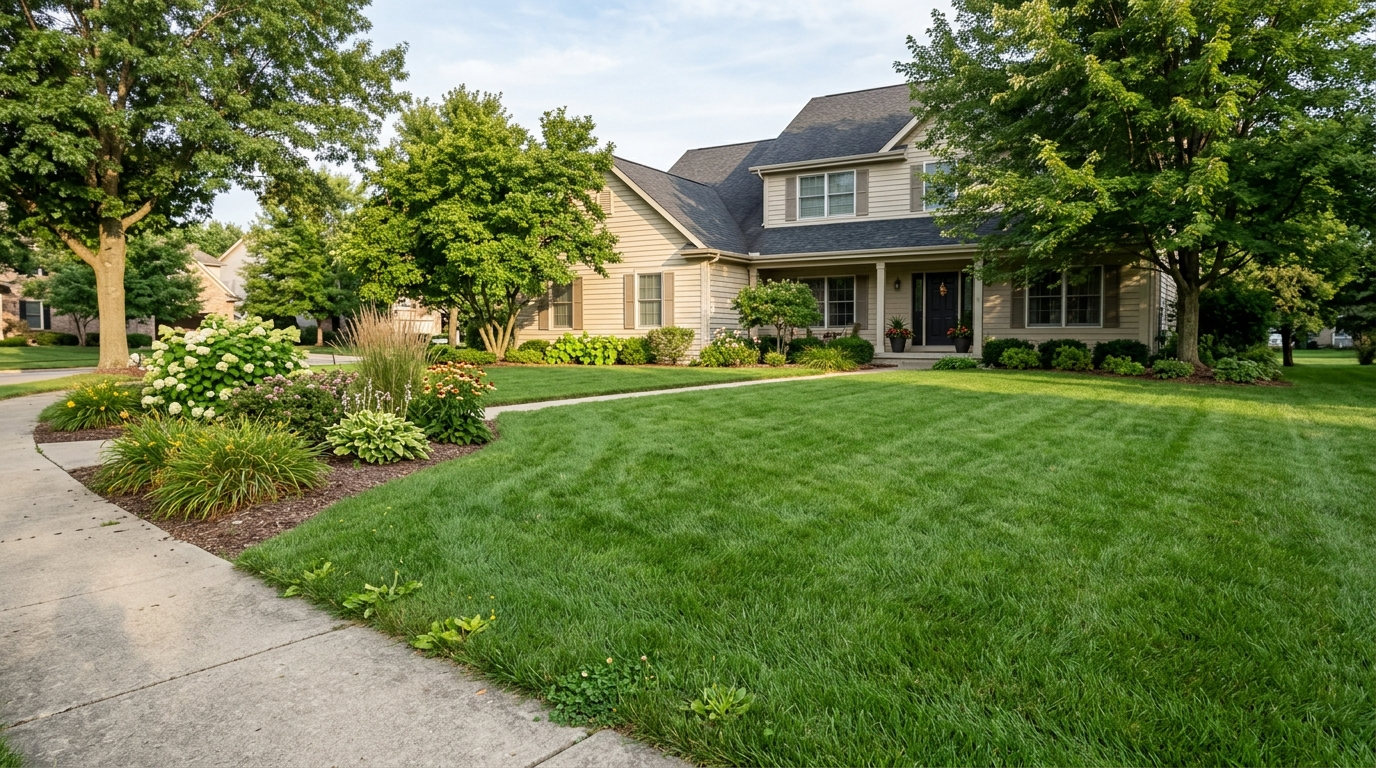
When roots are active and soil conditions are stable, growth becomes steady instead of erratic. The lawn feels firmer underfoot, moisture drains more predictably, density builds evenly across the property, and color deepens gradually rather than appearing in isolated patches.
The lawn responds consistently instead of in bursts, and that consistency is the result of below-ground stability.
Why Root Health Shapes Summer Performance
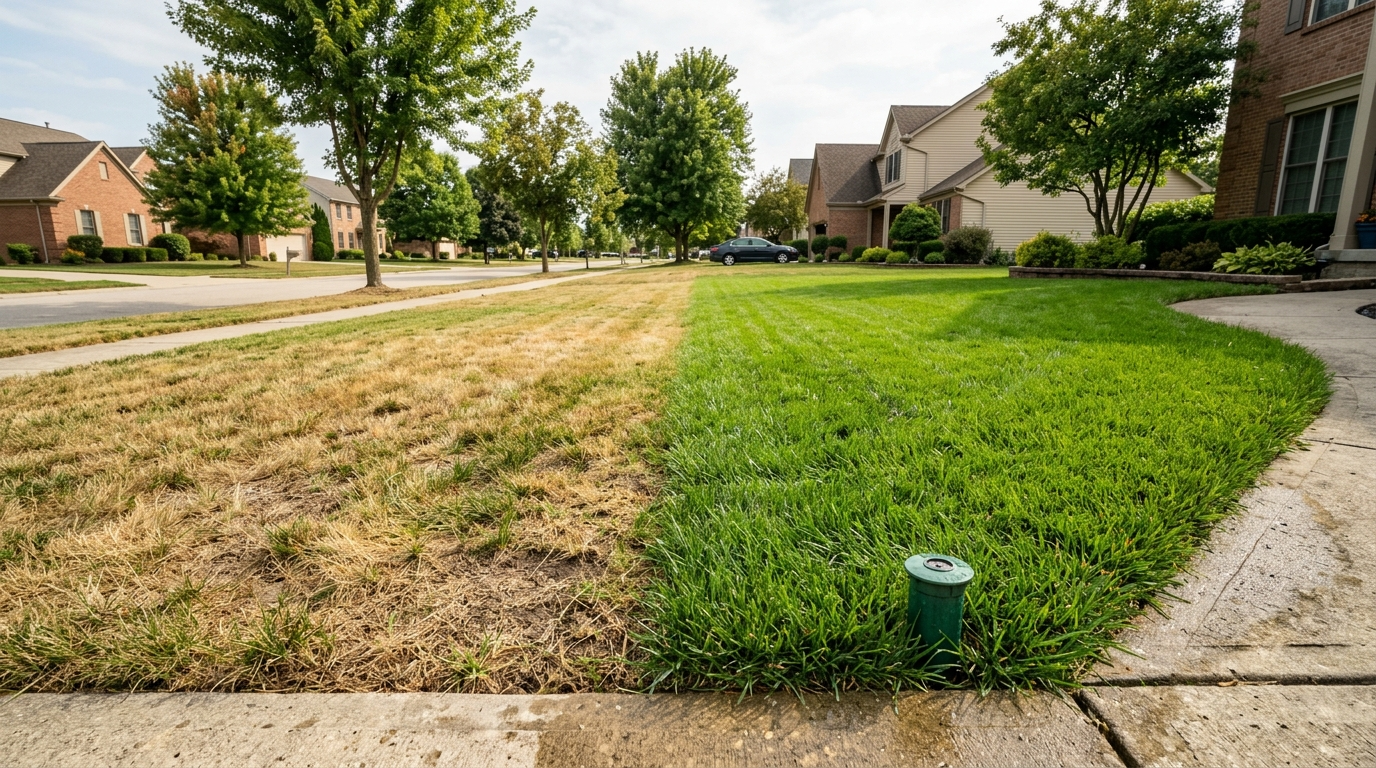
Many summer lawn problems are not truly summer problems. They originate in spring root development. If roots fail to establish depth and strength early in the season, the lawn struggles when temperatures rise. Stress tolerance declines, thin areas expand, and recovery slows dramatically.
If roots are strong by late spring, the lawn handles heat and dry periods more confidently. Summer stability begins in spring soil.
Building the Season From the Ground Up
Spring lawn care should focus first on creating the conditions roots need to expand. Stable soil structure, balanced moisture, correct timing of preventative treatments, and coordinated fertilization all work together to support root development.
When these elements align, roots strengthen naturally. As roots strengthen, the lawn stabilizes above ground. The visible season you experience is built from the invisible progress below.
If the foundation is solid, everything that follows becomes easier to manage.
Explore More About Managing Your Lawn
Continue building your understanding of how structured lawn care supports long-term stability.