Lawn Color vs Lawn Strength: Why a Green Lawn Is Not Always a Healthy Lawn
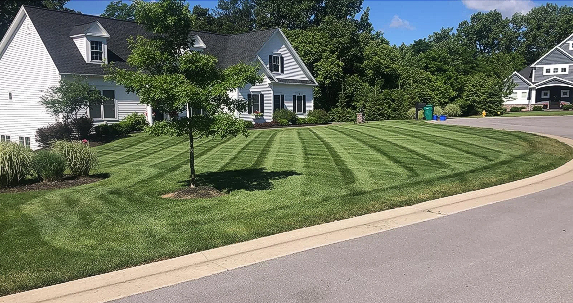
Most homeowners judge their lawn by one simple measurement. Color.
If the grass looks dark green from the street, it feels like things are going well. When color fades or turns uneven, it feels like something is wrong.
But lawn color and lawn strength are not the same thing.
A lawn can appear green while slowly weakening. It can also look lighter in color while becoming stronger and more stable. Understanding the difference helps homeowners avoid short term fixes that improve appearance while the underlying lawn continues to struggle.
Why Lawn Color Gets So Much Attention
Color is the easiest lawn characteristic to notice.
You see it when you pull into the driveway, when you mow, and when you compare your yard to neighboring properties. Because it is so visible, color often becomes the main indicator people use to judge lawn health.
Many lawn treatments can create a quick color response. Fertilizers designed for rapid green up can make grass look darker within days.
While that visual improvement feels encouraging, it does not always mean the lawn is improving structurally. Color can change quickly. Lawn strength develops more gradually.
What Lawn Strength Actually Means
Lawn strength has less to do with how the grass looks and more to do with how the turf performs across the season.
A strong lawn usually shows several consistent characteristics:
- Grass grows evenly across the yard
- Thin areas begin filling back in over time
- Weeds have fewer openings to establish
- The lawn handles heat and dry periods better
- Foot traffic causes less visible damage
These traits develop from healthy roots, balanced nutrients, and soil conditions that allow the turf to grow consistently. Strong lawns tend to become more stable each season rather than requiring constant repair.
When a Lawn Looks Green but Is Actually Weak
It is very common for lawns to look healthy while the turf underneath is struggling.
This often happens when treatments focus heavily on quick color response rather than overall turf stability.
Several conditions can cause this situation.
Excess Nitrogen Fertilization
High nitrogen fertilizer can push rapid top growth. The lawn turns dark green quickly, but the roots may not develop at the same pace.
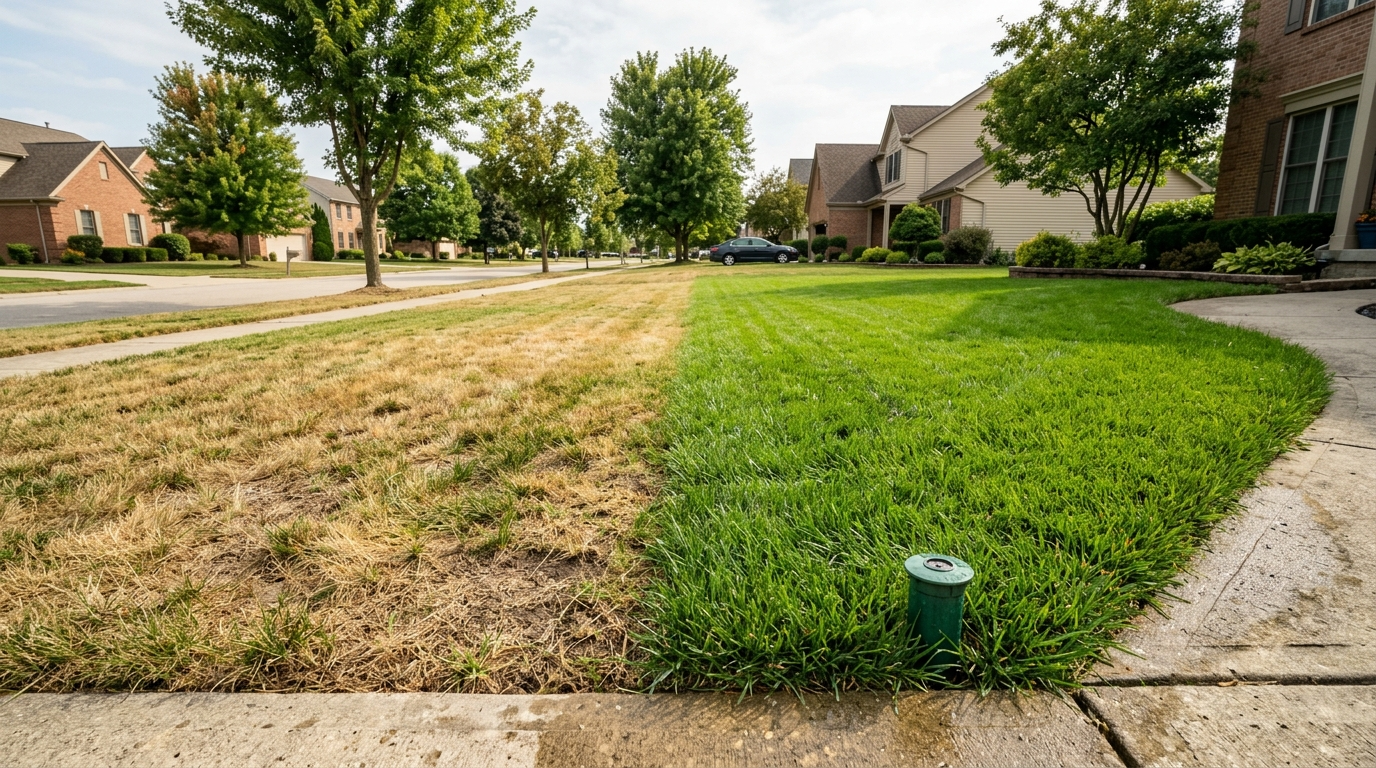
This can create grass that looks full from a distance but becomes stressed during hot weather or dry conditions.
Compacted Soil
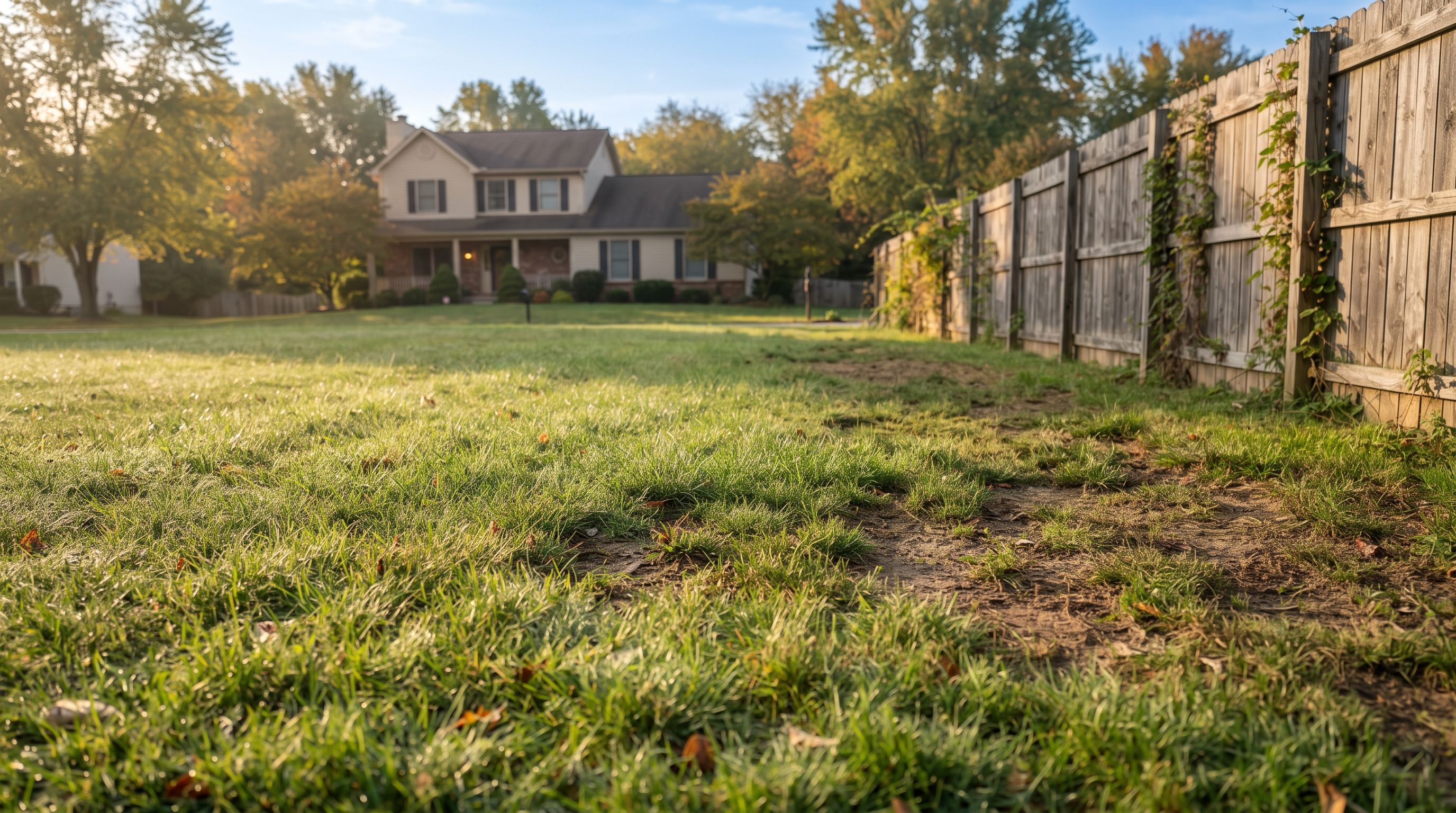
Grass can remain green for a period of time even when soil is compacted. Eventually the lawn begins thinning because roots cannot expand properly through the soil.
Compaction often leads to recurring weak areas that appear in the same locations each year.
Temporary Surface Improvements
Some treatments improve how a lawn looks without correcting the conditions affecting long term performance. The lawn may look greener for several weeks, but density and root health remain unchanged.
When Lawn Strength Improves Before Color
The opposite situation also occurs.
A lawn that is becoming stronger does not always show immediate color improvements. Early progress often happens below the surface as roots expand and soil conditions stabilize.
Over time this leads to better turf density and more consistent coverage across the property.
Instead of sudden changes in color, homeowners may notice gradual improvements such as fewer thin areas or more even growth across the yard.
These early changes are strong indicators that the lawn system is improving.
Why Strong Lawns Naturally Become Greener
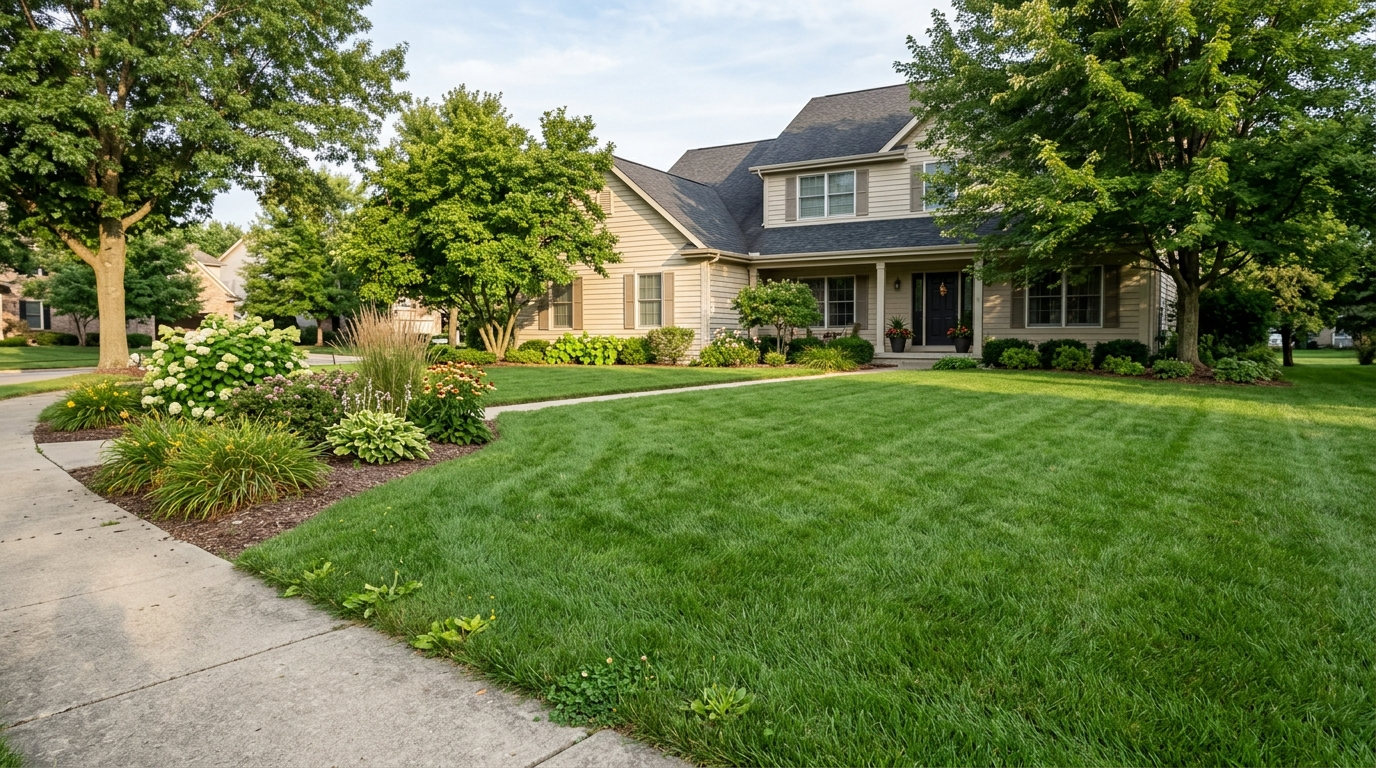
As turf becomes healthier, color tends to improve naturally.
Balanced nutrients support steady growth. Deeper roots allow grass to access moisture during dry periods. Dense turf reduces open soil where weeds can develop.
When these conditions work together, lawns maintain a consistent green appearance without relying on aggressive short term treatments.
The color that develops from a stable lawn system also tends to last longer throughout the season.
Signs Your Lawn Is Getting Stronger
Color changes are not always the first sign of improvement. Several other indicators suggest the lawn is becoming healthier.
Watch for these changes:
- Thin areas slowly shrinking each season
- Grass coverage appearing more even across the yard
- Faster recovery after regular foot traffic
- Fewer new weeds appearing
- Bare soil becoming harder to find
These signs usually indicate the turf is stabilizing and improving structurally.
Why Structured Lawn Care Focuses on Strength
Professional lawn management focuses on building a stable lawn system rather than chasing quick color improvements.
This requires coordinated treatments applied at the right points in the season. Fertilization supports balanced growth. Weed control protects turf density. Aeration improves soil conditions that support root expansion. Insect control prevents damage that weakens grass over time.
When these elements are managed together, lawns develop stronger root systems and more consistent coverage.
Color becomes the result of a healthier lawn rather than the primary objective.
Strong Lawns Maintain Their Appearance Longer
A lawn that relies on quick green up often fades just as quickly. Without strong roots and balanced soil conditions, the turf struggles when weather becomes stressful.
Stronger lawns behave differently.
They maintain consistent growth across the property, recover from seasonal stress more easily, and require fewer corrective treatments over time.
While color may attract the most attention at first glance, long term lawn performance is built on strength, stability, and consistent turf density.
Explore More About Managing Your Lawn
Continue building your understanding of how structured lawn care supports long-term stability.