Surface Insect Activity in Spring Often Means the Lawn Issue Is Not Just Cosmetic
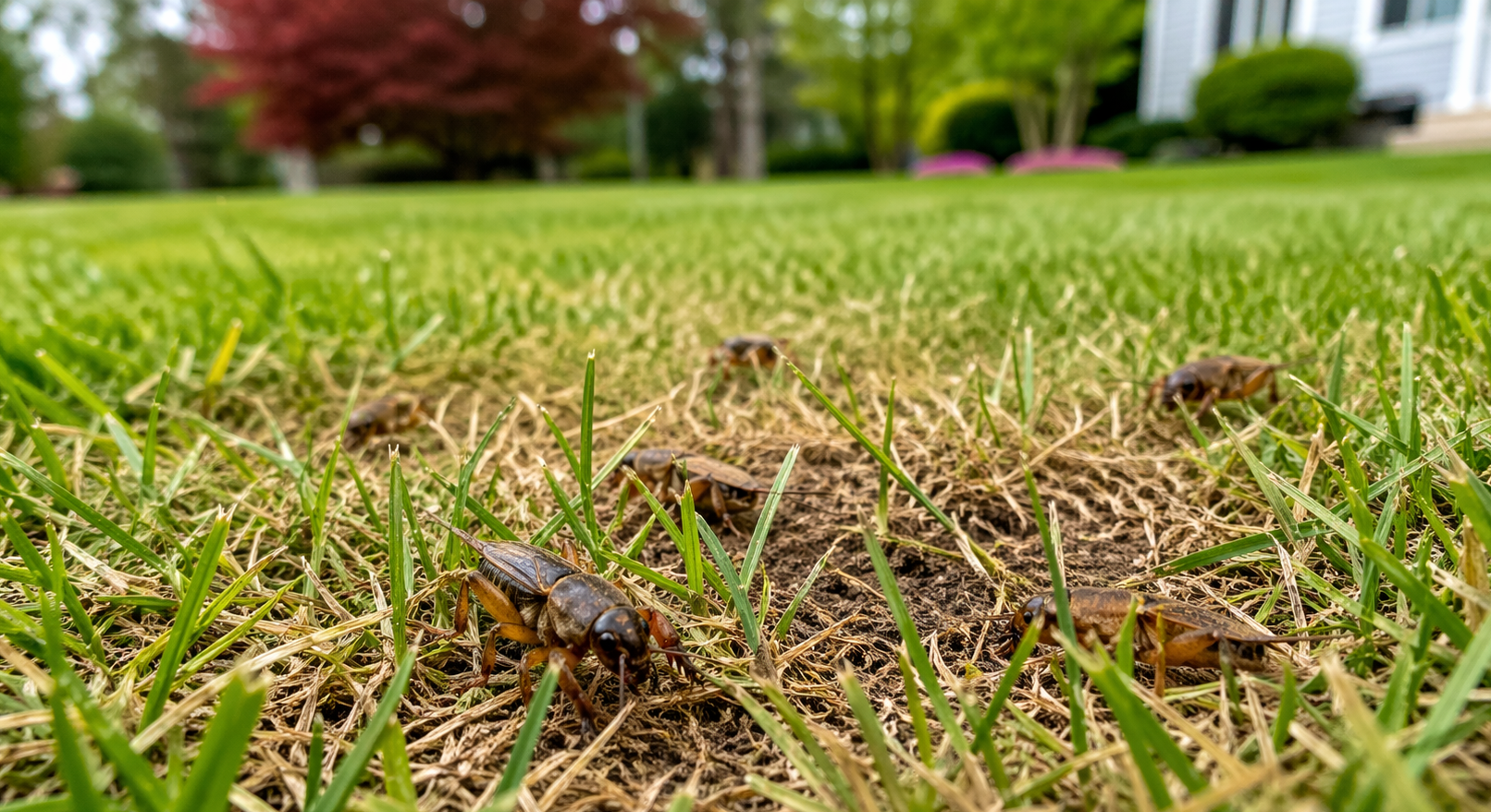
Some lawn problems look minor at first.
A section of turf seems a little thinner than it should. The surface looks slightly off color. Certain areas feel less even, less settled, or slower to respond than the rest of the yard. On its own, that can look like a basic spring recovery issue. But when surface insect activity starts showing up around those same areas, the lawn often deserves a more serious read.
That is because visible insect activity in spring usually changes what the problem means.
At that point, the issue is not just that the lawn looks a little off. It may be that the turf is dealing with added pressure that can reduce stability further if it is ignored. The insects themselves are part of the concern, but so is what their presence suggests about how the lawn is functioning underneath the surface.
That is why spring surface insect activity should not be treated like a minor visual distraction.
Surface insect activity often changes the meaning of what you are seeing
A lawn can look stressed for a lot of reasons in spring.
Late recovery, uneven moisture, shade, compaction, and winter carryover can all leave certain sections looking slower or weaker than the rest of the property. But once visible surface insect activity becomes part of that picture, the lawn often needs to be evaluated differently.
That is because insect presence adds another layer of pressure.
What may have looked like a simple cosmetic inconsistency can start pointing to a lawn that is less stable than it appears. The turf is no longer just trying to catch up visually. It may also be dealing with active surface level disruption that makes recovery harder, density weaker, and seasonal progress less reliable.
That is a different kind of problem than a lawn that is only slow to green up.
A cosmetic issue usually stays visual
A cosmetic lawn issue tends to remain mostly about appearance.
The lawn may look uneven, dull, or slower in a few places, but the problem does not necessarily keep building once conditions improve. The property begins moving forward, the color starts to normalize, and the weaker looking sections gradually settle in with the rest of the yard.
That is what cosmetic problems usually do.
They look imperfect, but they do not keep intensifying once the lawn gets what it needs. The issue is mostly visual and usually becomes less important as the season stabilizes.
Surface insect activity can change that.
Once insects are clearly part of the picture, the lawn may no longer be dealing with a harmless appearance issue. It may be dealing with active pressure that can widen the gap between stronger and weaker areas.
Visible insect activity usually means the lawn is under added pressure
This is what makes the issue more serious.
When surface insects are active in spring, the lawn is not just showing an imperfect appearance. It is showing that something active is happening at the turf level. That added pressure can make a weaker area less able to recover, less able to maintain density, and more likely to keep falling behind as the season moves forward.
That matters because spring is when lawns are trying to build momentum.
If the property is already coming out of a stop and start season with uneven recovery, surface insect activity can make it harder for vulnerable sections to stabilize. The turf is not just late. It is being challenged while trying to regain strength.
That is why the presence of insects changes the read on the lawn.
Spring surface insect activity can make weak sections easier to identify
Sometimes insect activity helps reveal where the lawn already had less margin for stress.
The strongest parts of the property may still look reasonably stable. But weaker sections, thinner areas, worn spots, and less settled turf may start showing more visible pressure once insects become active. That does not necessarily mean the insects created the weakness from scratch. It often means they are helping expose where the lawn was already more vulnerable.
That is useful to notice.
A section that seemed only slightly behind may become easier to interpret once insect activity shows up there too. The lawn is revealing that the issue may be more than slow recovery or mild inconsistency. It may be a section that cannot absorb additional pressure without starting to lose ground more clearly.
That is not just a cosmetic difference.
It is a stability issue.
A lawn under insect pressure often stops improving the way it should
One of the clearest signs that the issue is more than appearance is stalled progress.
A lawn that is only cosmetically off should start improving once weather and growing conditions become more favorable. But when insect activity is part of the picture, the weaker sections may stop moving forward the way they should. The lawn may stay thin longer. The surface may remain unsettled. Recovery may feel incomplete even when the rest of the property is beginning to take shape.
That is an important shift.
The lawn is no longer just waiting on better conditions. It may be struggling to capitalize on them because active pressure is interfering with its ability to recover normally.
That is usually when the issue stops being something to casually watch.
Surface insect activity can make spring thinning more meaningful
Thin turf in spring is easy to dismiss at first.
A homeowner may assume the lawn just needs more time, especially after a colder start or an uneven early season. Sometimes that is true. But when surface insect activity appears around those same thinner sections, the meaning changes.
The lawn may no longer be dealing with simple delay.
The thin area may be under a level of pressure that makes it harder to fill in, harder to stabilize, and easier to keep falling behind. In that case, the insects are not just appearing around a cosmetic issue. They are part of what makes the weakness more consequential.
That is why spring thinning should be read more carefully once insect activity enters the picture.
The lawn may look patchy before it looks seriously damaged
Another reason this issue gets underestimated is that the early signs are often modest.
The lawn may not look destroyed. It may just look patchy, uneven, or slightly unsettled in certain areas. That can make the issue feel smaller than it really is. But the presence of surface insect activity often means the lawn is dealing with more than a harmless visual inconsistency.
That is the part homeowners can miss.
The lawn does not have to look severe for the problem to matter. A turf issue can still be active and meaningful before it becomes dramatic. In fact, that is often when it is most useful to take seriously, because the lawn is still early enough in the pattern to be read clearly.
Surface insect activity often matters most on lawns already recovering unevenly
This is especially true on properties that already came through winter and early spring with mixed results.
If one section stayed wetter longer, one side remained slower, or certain areas never fully settled after false spring conditions, visible insect activity can make those weaker zones more important. The lawn is already trying to catch up. Insects add one more factor that can keep it from doing that cleanly.
That is why the issue tends to feel more significant in spring than it might on paper.
The lawn is at a point in the season where it is supposed to be building stability. If surface insect activity is interfering with that process, the property can start separating more clearly into sections that are moving forward and sections that are not.
This is one reason structured pest control matters
A lawn under active surface insect pressure is not just asking for a reaction after visible damage becomes severe.
It is often showing that the property benefits from more deliberate seasonal management. Structured pest control helps reduce the chance that insect activity is allowed to become another layer of instability on top of everything else the lawn is already working through in spring.
That matters because lawns in the Greater Rochester area do not usually need extra complications.
They are already moving through changing moisture, uneven sun exposure, edge stress, and seasonal transition. When surface insects become active, the lawn often benefits from a response that sees the issue as part of the larger management picture, not just an isolated nuisance.
Insect presence can help separate stress from active disruption
A stressed lawn and an actively pressured lawn are not always the same.
Stress can come from weather, site conditions, or seasonal timing. The lawn may look behind, but it is still mostly dealing with passive conditions. Surface insect activity introduces something more active. It changes the lawn from a property that is simply underperforming to one that may be under direct biological pressure.
That distinction matters.
It changes how the turf should be understood. A lawn that is merely stressed may recover with time and better conditions. A lawn dealing with active surface insect activity may need more than patience to get back on track.
That is why visible insect presence should not be shrugged off as part of the same general spring look.
The issue is often not just the insects, but the effect on lawn stability
This is the larger point.
Surface insect activity matters not only because insects are present, but because of what that presence can do to a lawn that is already trying to stabilize. Weaker turf has less room to absorb added pressure. Thin sections have less density to protect themselves. Areas that are already behind can fall behind faster when insects become part of the picture.
That makes the issue more operational than cosmetic.
The lawn is not just less attractive in those areas. It is less controlled. It is more vulnerable to staying uneven, less likely to regain consistency quickly, and more likely to reveal broader instability across the property.
A lawn that keeps looking off after insects appear should be read differently
If the lawn continues looking unsettled once surface insects are visible, it is worth treating the situation with more seriousness.
At that stage, it is no longer just a matter of whether the yard looks a little behind. The question becomes whether the property is under a kind of active pressure that is preventing normal recovery. That is a more meaningful issue because it affects how the season is likely to unfold from there.
A lawn that stays weak without insect activity may just need time.
A lawn that stays weak while insect activity is present often suggests a different kind of problem.
This pattern matters even before widespread damage is obvious
One of the biggest mistakes homeowners make is waiting for the lawn to look severely damaged before taking insect pressure seriously.
But visible surface insect activity often matters well before the worst visual outcome arrives. By the time the issue becomes dramatic, the lawn has usually been dealing with that pressure long enough for the damage to feel more established.
That is why early interpretation matters.
The goal is not to panic over every insect you see. The goal is to recognize when surface insect activity changes the meaning of the lawn’s condition from mild appearance issue to active turf concern.
That is a more useful threshold.
Properties around Rochester often make this harder to read at first
In the Rochester region and nearby areas along Lake Ontario, spring lawns often look uneven for several reasons at once.
Cold setbacks, wet ground, shade, tree competition, and delayed recovery can all make the property harder to interpret. That is why surface insect activity can be easy to underestimate. The lawn already looks a little imperfect, so insect presence gets blended into the background.
But that is exactly why it matters.
When a lawn already has some seasonal inconsistency, active insect pressure can become the factor that keeps it from settling in the way it should. That makes proper interpretation more important, not less.
What spring surface insect activity usually tells you
When surface insect activity is visible in spring, it often means the lawn issue is not just cosmetic because the turf may be dealing with active pressure that affects stability, recovery, and seasonal progress.
The lawn may still look only mildly uneven on the surface. But the presence of insects changes how that condition should be read.
The issue may no longer be limited to appearance. It may be part of a broader pattern of turf weakness that is becoming harder for the lawn to absorb on its own.
That is why the situation deserves more than casual attention.
Frequently Asked Questions
Does seeing surface insects in spring always mean lawn damage is happening?
Not automatically, but it often means the lawn should be evaluated more carefully. Visible insect activity can signal that the issue is more than a simple cosmetic inconsistency.
Can a lawn still look mostly normal and have a meaningful insect issue?
Yes. Early surface insect pressure does not always create severe damage right away. The lawn can still look only mildly uneven while the issue is becoming more important underneath that appearance.
Why does insect activity matter more in spring?
Because spring is when the lawn is trying to build seasonal stability. Active surface insect pressure can make weaker sections less able to recover and settle properly.
Should thin areas with insect activity be treated differently than thin areas without it?
Usually, yes. Once insect activity is part of the picture, the thinning often deserves a more serious read because the lawn may be under active pressure rather than just slow seasonal recovery.
Take the lawn issue seriously before it becomes harder to correct
If surface insect activity is showing up in spring, the lawn may be dealing with more than a visual issue. LawnLogic evaluates how insect pressure is affecting turf stability so the property can be managed more deliberately, weaker sections can be understood more clearly, and seasonal problems can be addressed before they spread into a larger decline.
Explore More About Managing Your Lawn
Continue building your understanding of how structured lawn care supports long-term stability.