Once Early Spring Weakness Shows Up Clearly, the Lawn Needs a More Structured Response

Early spring gives a lawn some room to be uneven.
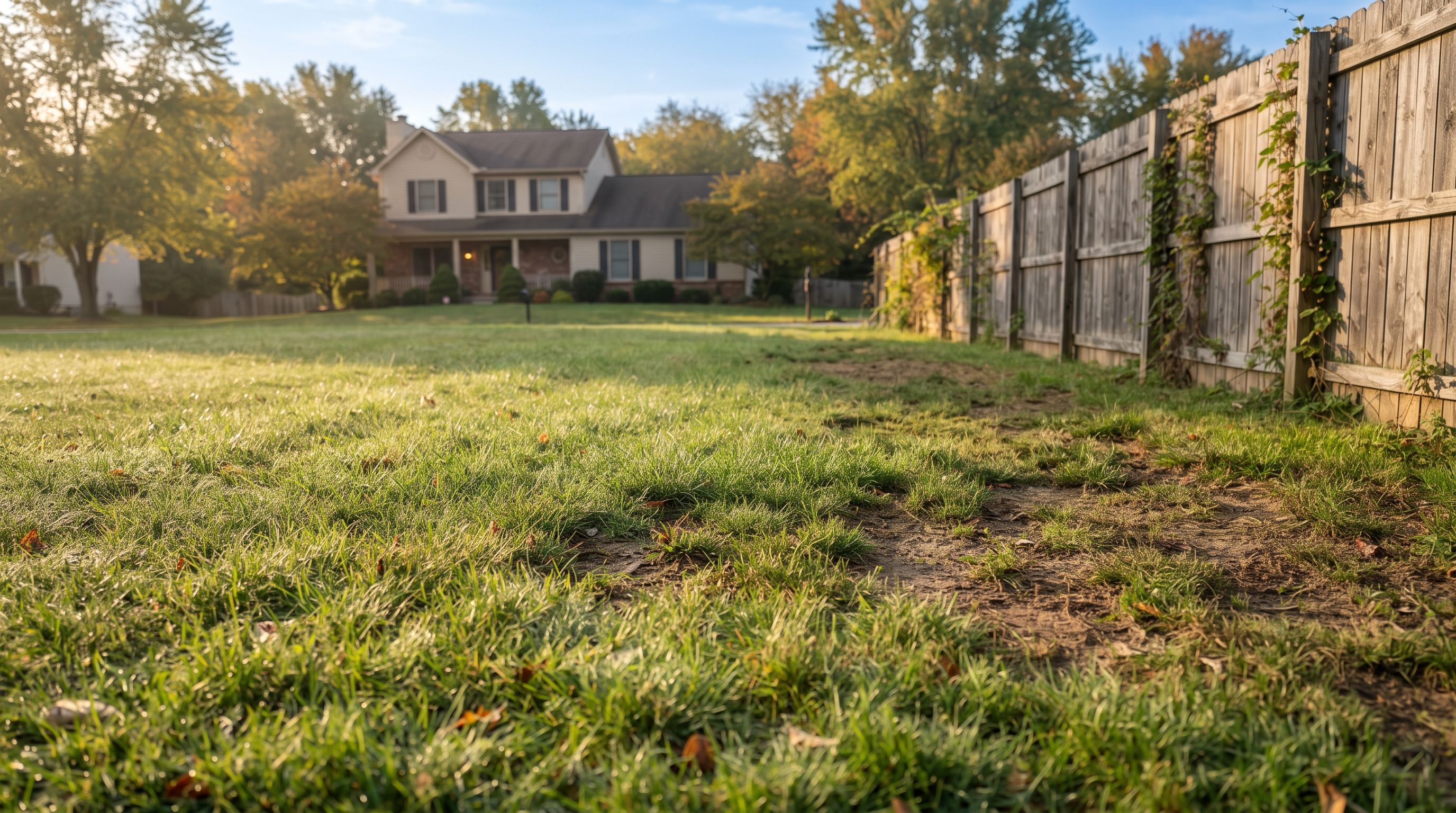
Some areas wake up slower. Certain sections stay wetter longer. A thin strip may still look like it is catching up. A shaded section may lag behind the rest of the yard for a while. During the first part of the season, that kind of inconsistency can still fall within a normal spring pattern.
But there is a point when that changes.
Once early spring weakness starts showing up clearly and repeatedly, the lawn is usually moving past simple delay and into something more structural. At that stage, the issue is no longer just that the property needs a little more time. The issue is that certain parts of the lawn are not recovering the way they should, and the next step matters more than waiting.
That is when a more structured response becomes important.
Early spring weakness becomes more meaningful once the weather settles
At the beginning of spring, it is easy to give the lawn the benefit of the doubt.
The weather is unstable. Soil conditions are inconsistent. Some parts of the property warm up faster than others. It can be hard to tell whether a weak area is actually struggling or simply late. But once the season starts settling down, that uncertainty begins to fade.
Weakness that stays visible after that point means more.
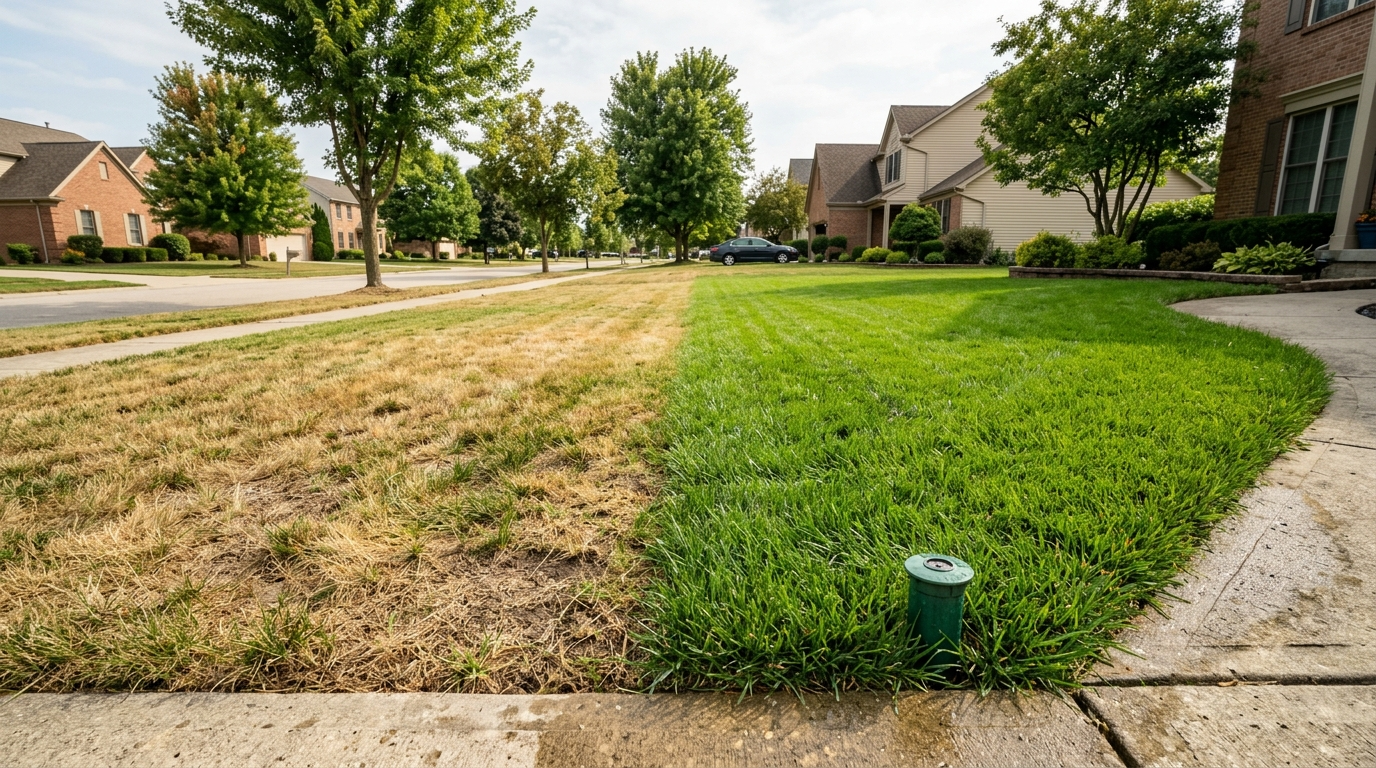
A section that remains thin, pale, soft, patchy, or uneven while the rest of the lawn starts moving forward is usually not just reacting to weather anymore. It is showing that the property has a weaker zone that is not recovering under normal seasonal momentum.
That is an important shift.
The lawn is no longer just slow. It is separating.
A weak area that stays weak is usually not asking for more patience
This is one of the biggest mistakes homeowners make in spring.
A section of the lawn looks off, so they assume it just needs another couple of weeks. Sometimes that is true early in the season. But once the weakness becomes clear and keeps holding its position, more patience often stops being the answer.
That does not mean the lawn needs panic.
It means the lawn needs a better read.
A weak section that does not start catching up is often dealing with something more specific than late green up. It may be moisture related. It may be compacted. It may be worn down. It may be dealing with tree pressure, shade, edge stress, or reduced density from the previous season. Whatever the cause, the point is the same. The lawn is not resolving the issue on its own.
At that stage, waiting usually just gives the weakness more time to define the season.
A structured response is different from a reactive fix
When weakness becomes obvious, many homeowners jump straight to the most visible solution.
They add seed. They add fertilizer. They water more. They try to correct the appearance as quickly as possible. Sometimes those steps help, but they are often reactive moves rather than structured ones.
A structured response starts differently.
It begins by identifying what kind of weakness the lawn is actually showing and what condition is driving it. Is the area staying wet too long. Is it thinning because of repeated wear. Is it weaker near hardscape. Is it slow because of shade. Is the turf unstable because it never regained density after last season. The lawn needs that question answered before it needs a random correction layered on top.
That is what makes the response more structured.
It is based on what the property is actually doing, not just on what looks most urgent in the moment.
Clear spring weakness often means the lawn has a stability problem
Not every weak area is just a growth problem.
Some sections are weak because they have less stability than the rest of the lawn. They hold less density. They absorb stress poorly.
They lose ground faster. They recover more slowly. In early spring, that instability may first show up as a section that looks a little behind. Once the season advances, that same area often becomes the section that stays thin, opens up for weeds, or keeps needing correction.
That is why weakness deserves to be read carefully.
The lawn may not be asking for a cosmetic improvement. It may be showing that one part of the property cannot hold together as well as it should.
That kind of problem needs more than a quick visual fix.
The same weak spots usually become more important as the season moves forward
If a lawn keeps showing weakness in the same places, that pattern should be taken seriously.
The same edge near the driveway stays thin. The same shady side of the yard lags again. The same low area remains soft. The same route across the lawn never fills in evenly. Those repeated weak zones are usually not random seasonal noise. They are the areas where the property has the least margin for stress.
That matters because spring is still one of the more forgiving parts of the season.
If those areas are already showing their weakness clearly now, they often become even more problematic once weed pressure, surface insect activity, heat, dryness, and heavier seasonal use begin to build. The lawn is showing its weaker sections before the harder part of the season arrives.
That is exactly why the response needs to become more deliberate.
A more structured response can prevent the same weakness from defining the whole season
This is where timing matters.
Once a weak area becomes obvious, the lawn still has a chance to be managed before that weakness spreads into a larger seasonal pattern. A thin section can turn into a weed opening. A wet area can become a recurring unstable zone. A worn strip can break down further. A weak edge can become harder to recover once heat builds.
That is why structured management matters so much at this point.
The goal is not just to notice the weakness. The goal is to decide what the lawn needs next before the same issue becomes more expensive, more visible, and more difficult to stabilize later.
That is how a controlled lawn season is built.
Not by waiting to see how bad the weak area gets, but by responding once the pattern becomes clear.
Not every weak area needs the same next step
This is another reason a structured response matters.
Different types of weakness lead to different kinds of next steps. A section that is staying wet too long should not be approached the same way as a section that is thin because of wear. A shaded weak area should not be treated like an open sunny edge near concrete. A part of the lawn affected by tree competition is not asking for the same solution as a section that never regained density after last season.
That is why generic fixes often disappoint.
They treat lawn weakness as one category when it is usually several different conditions wearing the same face. The lawn may look thin in each case, but the reason it is thin matters. The response has to match that reason if the goal is real stability rather than a brief surface improvement.
Early weakness often tells you where the lawn will struggle later
Spring has a way of previewing the season.
The areas that show weakness clearly in spring are often the same areas that struggle more once conditions get harder. They may become the first places where weeds break through. They may dry out faster. They may stay thin. They may lose color sooner. They may fall behind again as soon as the weather gets less forgiving.
That is useful information.
A weak area in spring is not just a present problem. It is often an early indicator of where the lawn is likely to keep needing support if nothing changes. That makes spring weakness less about short term appearance and more about seasonal direction.
The lawn is showing you where it is most likely to lose control later.
A better plan usually matters more than a faster fix
When weakness becomes obvious, speed is often tempting.
Homeowners want the lawn to look better quickly, especially once the rest of the property starts moving. But a faster fix is not always the same thing as the right one. In many cases, the better move is to build the next step around the real condition of the area instead of trying to force an instant cosmetic result.
That is especially true across the Rochester region and nearby areas along Lake Ontario, where spring conditions can leave properties with a mix of moisture issues, shade effects, edge stress, and uneven recovery patterns all at once.
A better plan often means better results.
The lawn does not just need help looking stronger. It needs help becoming more stable.
A weak lawn section usually needs to be managed, not just treated
This distinction matters for LawnLogic’s positioning and for the homeowner’s outcome.
Treating a weak area often means applying something to it and hoping the problem improves. Managing a weak area means understanding what is making that section vulnerable, fitting the response into the season properly, and keeping the lawn on a more controlled path as conditions continue changing.
That is what structured turf management is supposed to do.
It does not reduce the property to isolated treatments. It reads the lawn in context, decides what kind of support the weak area actually needs, and helps keep the rest of the season from being shaped by the same unresolved problem.
That is a very different standard than simply reacting to the first visible symptom.
This is usually the point where the lawn stops being ambiguous
One of the hardest parts of early spring is uncertainty.
Everything looks a little incomplete. It is hard to know what is late, what is normal, and what is truly behind. But once early spring weakness shows up clearly, that ambiguity starts to fade. The lawn begins giving a stronger signal about which sections are simply slower and which ones are genuinely less stable.
That clarity is useful.
It means the lawn is easier to read. It means the weak spots are no longer hiding inside general spring inconsistency. And it means the property is ready for a more informed next step instead of guesswork.
That is usually when a structured response becomes most valuable.
In this region, weak spring areas rarely stay isolated for long
Properties in the Greater Rochester area often move quickly from spring recovery into stronger seasonal pressure.
That is part of why clear weakness matters so much here. A section that is already unstable in spring often does not stay quietly imperfect for long. It becomes the part of the lawn that opens up first, breaks down first, or starts looking noticeably behind once the season gains speed.
That is why early visibility matters.
If the lawn is already showing you where the weak spots are, it makes sense to treat that information as part of the management plan rather than as something to casually monitor until it becomes more obvious.
What the lawn usually needs next once early spring weakness becomes clear
Once early spring weakness shows up clearly, the lawn usually needs a more structured response because the issue has moved beyond simple timing.
At that point, the property is showing where recovery is not happening normally, where turf stability is weaker than it should be, and where the season is most likely to start slipping if the problem is left alone. The right next step depends on the type of weakness, but the larger principle stays the same.
The lawn needs diagnosis before default correction.
It needs management instead of guesswork.
And it usually needs more than patience alone.
Frequently Asked Questions
How do I know if a weak lawn area just needs more time?
If the weather has started stabilizing and the same section still looks clearly behind while the rest of the lawn moves forward, that area usually needs more than time alone.
What does a structured response actually mean?
It means identifying what kind of weakness the lawn is showing, understanding the condition behind it, and choosing the next step based on that instead of applying a generic fix.
Should I overseed a weak spring area right away?
Not always. Some weak areas are thin because of wear, shade, moisture, compaction, or edge stress. If the underlying cause is still there, overseeding alone may not hold.
Why do the same weak spots keep showing up every spring?
Usually because those parts of the property have a recurring site condition that keeps reducing turf stability. The issue may be environmental, structural, or traffic related, but repeated patterns are rarely random.
Respond to spring weakness before it defines the season
If the same sections of your lawn are already showing clear weakness, the next step should be more deliberate than waiting and hoping they catch up. LawnLogic helps identify what those weak areas are actually signaling so the property can be managed with better structure, better timing, and a more stable plan for the rest of the season.
Explore More About Managing Your Lawn
Continue building your understanding of how structured lawn care supports long-term stability.