How Freeze-Thaw Cycles Affect Lawns in NY
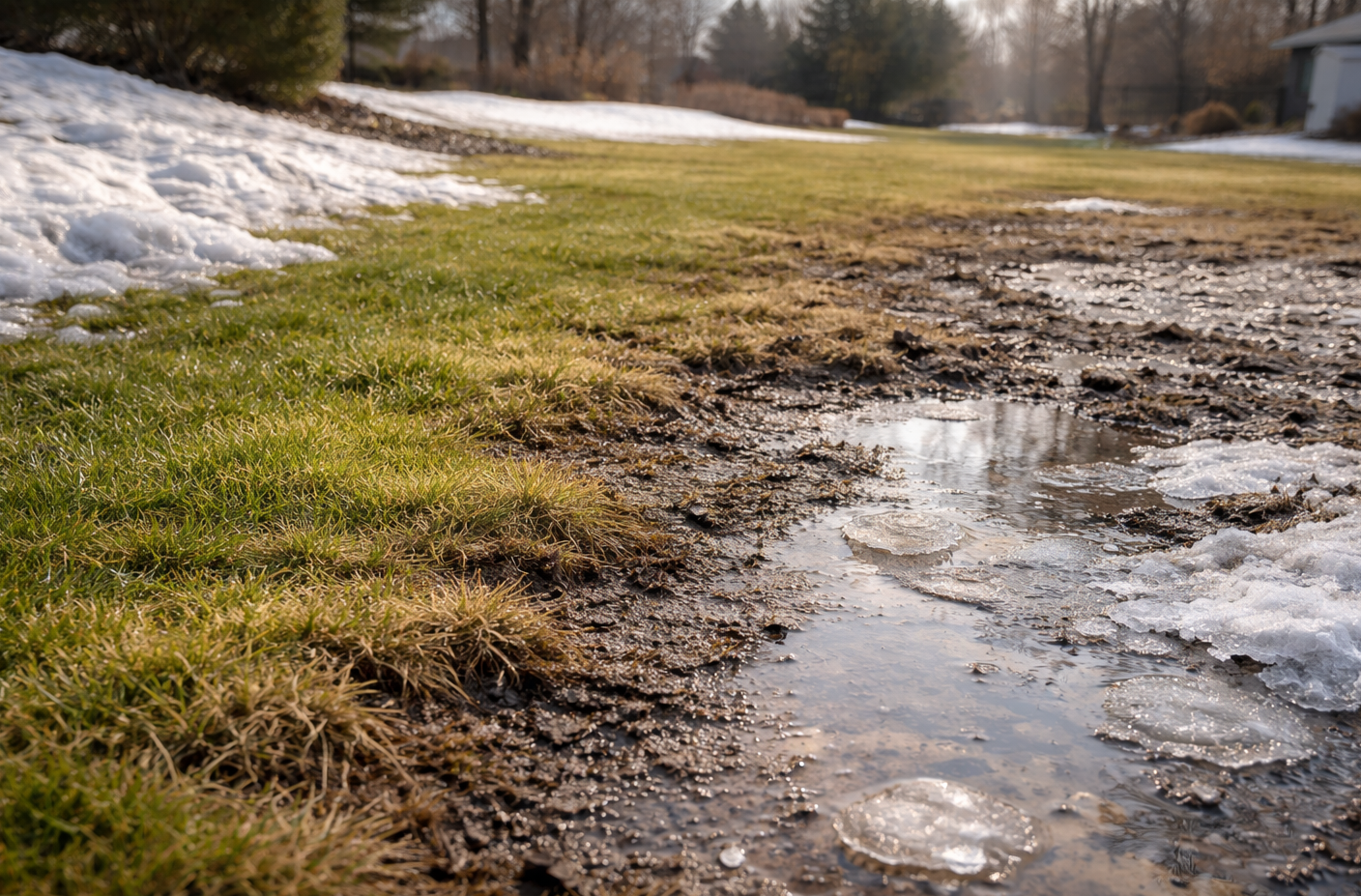
Late winter in Western New York rarely ends cleanly. Temperatures climb above freezing during the day, then drop again at night. Snow melts, refreezes, and melts again. Beneath the surface, your soil is expanding and contracting repeatedly.
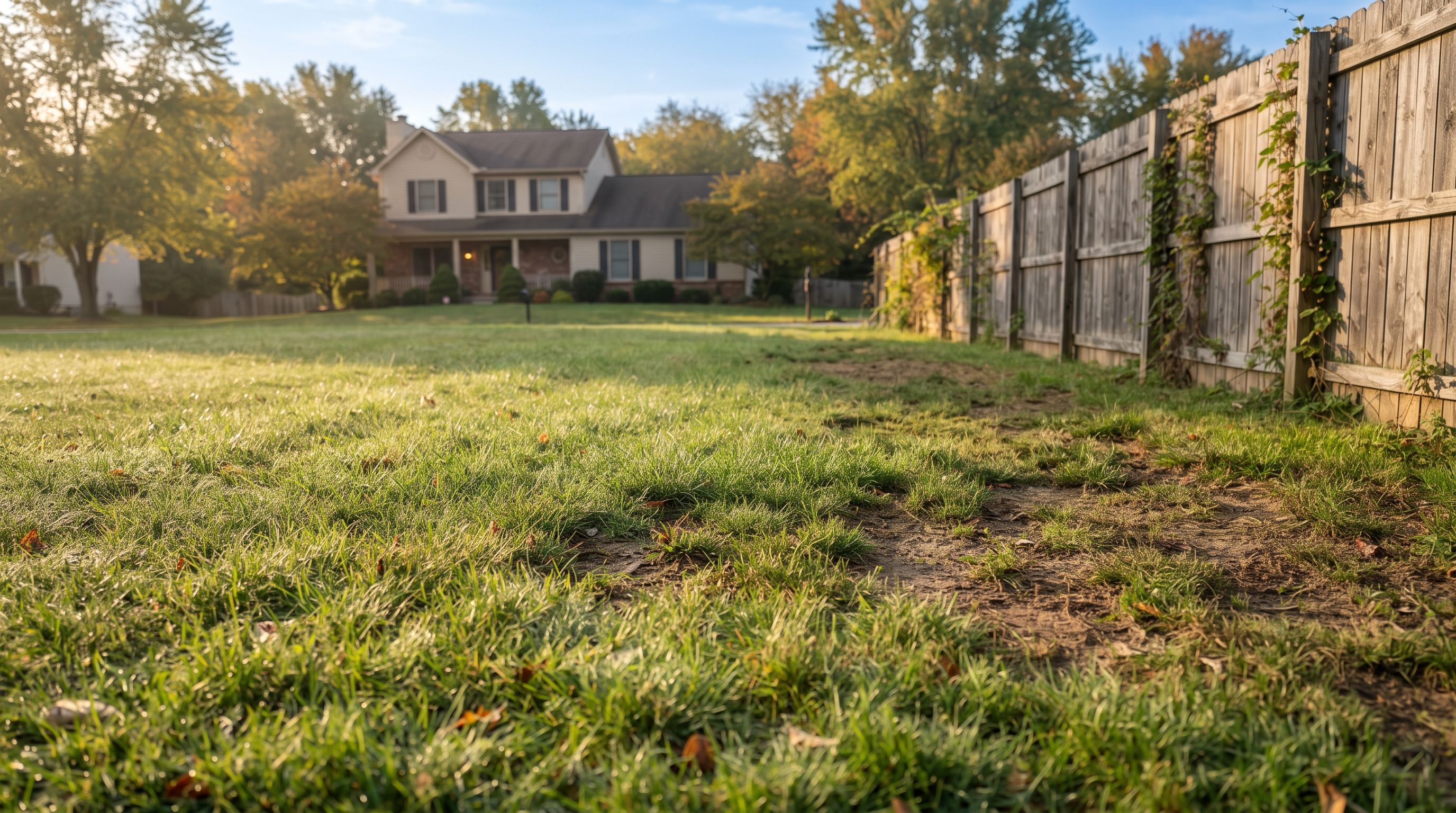
You do not see this movement happening. You see the result when spring arrives and parts of your lawn feel uneven, soft, or slow to recover.
Freeze-thaw cycles are one of the most important forces shaping your lawn before the growing season even begins.
What Actually Happens Underground
When water inside the soil freezes, it expands. That expansion pushes soil particles apart. When it thaws, those particles settle again, but not always in the same position.
Over multiple cycles, this process shifts soil structure. Some areas become compressed. Others remain looser but overly wet. Air
pockets change. Drainage patterns shift slightly. Surface firmness becomes inconsistent.
The lawn above reflects these changes. Roots depend on oxygen, stable moisture levels, and firm soil contact. When soil structure fluctuates repeatedly, early spring root activity becomes uneven.
The grass itself may be healthy. The environment it grows in has changed.
Why Certain Areas Recover Faster Than Others
Not every part of your property responds the same way to winter.
South-facing sections warm more quickly. Shaded areas hold cold longer. Low spots retain moisture.
High-traffic sections often become compacted when walked on during partially frozen conditions. As soil temperatures rise, some areas are ready to resume growth while others are still stabilizing.
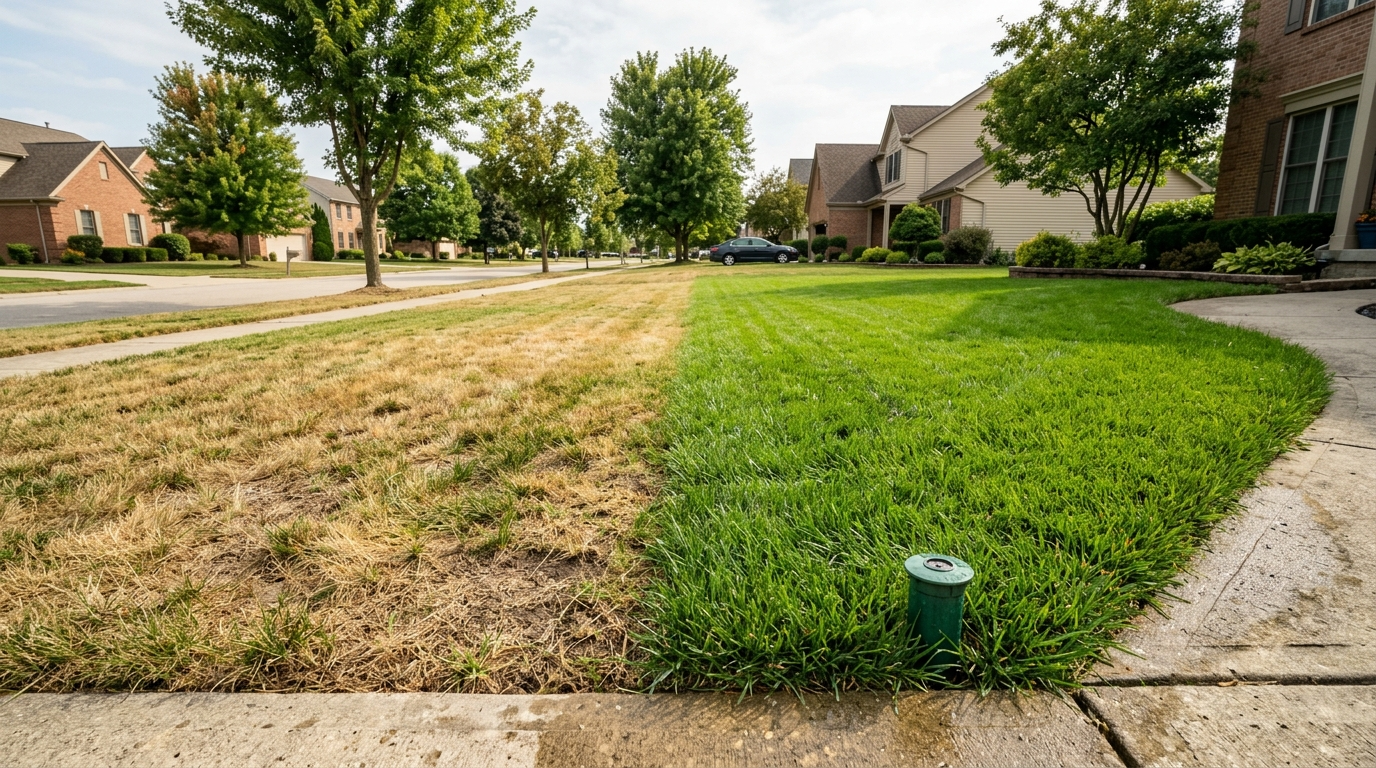
This creates the familiar pattern: one section looks green, another looks thin, and the entire lawn appears inconsistent.
The difference is not usually fertilizer. It is soil response.
Compaction That Happens Before You Notice
Compaction is often created during late winter without anyone realizing it.
Walking across partially frozen ground compresses soil layers. Snow weight presses downward for extended periods. Repeated freeze-thaw cycles tighten certain areas while loosening others.
Compacted soil restricts oxygen flow and slows root expansion. Even if nutrients are present, roots struggle to access them efficiently.
This is why early spring fertilization alone does not correct uneven recovery. Structure must stabilize before growth becomes uniform.
Moisture Imbalance After Snow Melt
As snow melts, water must move through the soil profile. If freeze-thaw cycles have altered structure, some sections drain properly while others retain moisture longer than they should.
Excess moisture reduces oxygen in the soil. Roots respond slowly in saturated conditions. That delay often appears as thinning or patchiness.
At the same time, slightly elevated areas may dry out more quickly and begin recovering sooner. The lawn is responding to moisture balance, not reacting to color.
Why Early Reaction Often Backfires
When patchiness becomes visible, the instinct is to fix it quickly.
Fertilizer is applied immediately. Watering increases. Multiple treatments are layered close together.
If soil conditions are still stabilizing from freeze-thaw movement, these actions may create further imbalance. Nutrients cannot distribute evenly through compacted areas. Moisture can accumulate in sections that already struggle to drain.
Spring improvement requires sequence, not urgency. The order of decisions matters.
When Freeze-Thaw Creates Ongoing Issues
Most lawns in NY handle freeze-thaw cycles without long-term damage. However, persistent soft spots, recurring low areas, or sections that struggle every spring may signal deeper structural concerns.
If uneven recovery repeats year after year, underlying compaction or drainage limitations may need deliberate correction.
The difference is consistency. Seasonal fluctuation is normal. Chronic instability is not.
What Stabilized Spring Soil Feels Like
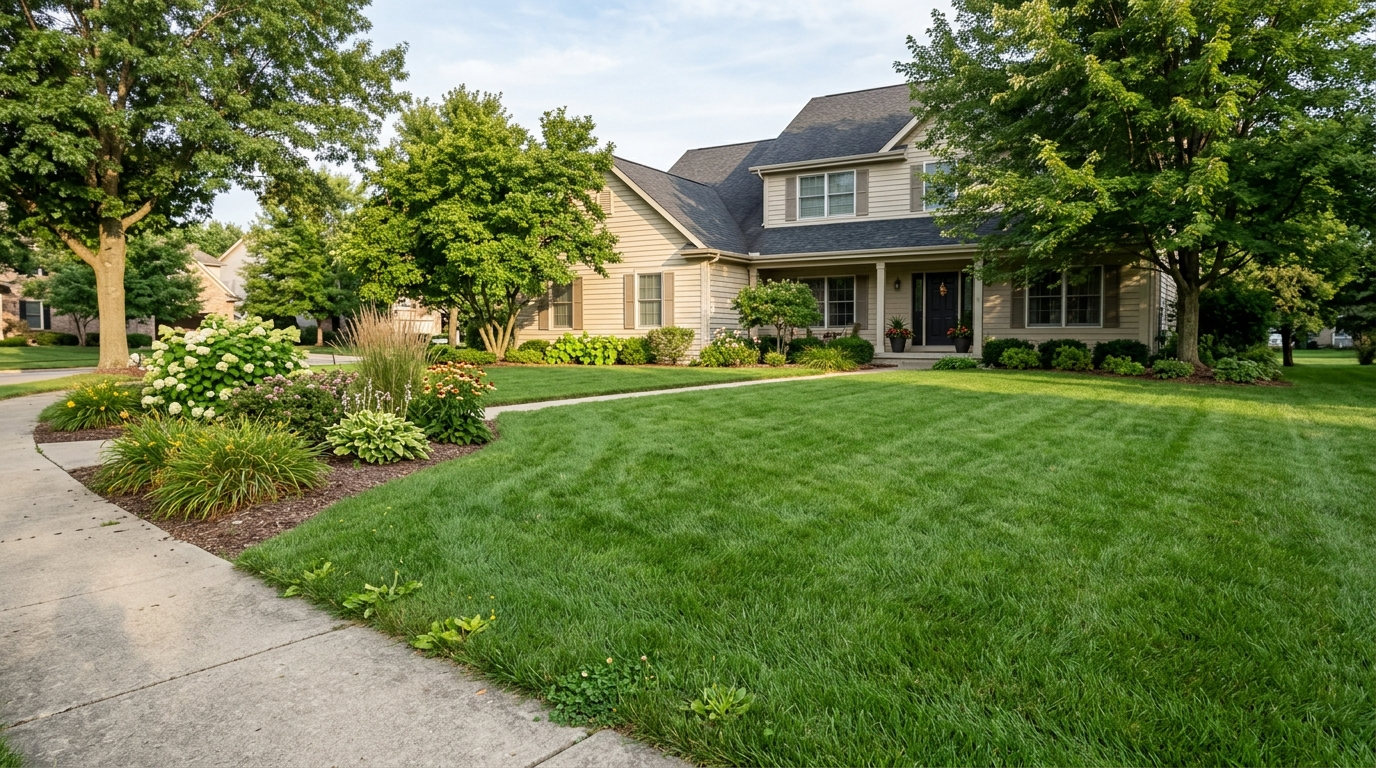
As temperatures remain steady and soil settles into balance, firmness becomes more consistent. Growth resumes evenly. Color deepens gradually across the entire property rather than appearing in streaks.
The lawn begins to feel stable underfoot. That stability does not happen automatically. It depends on how soil conditions are evaluated and guided once winter ends.
Freeze-thaw cycles are part of living in Western New York. They shape the starting point of every season. When soil structure, moisture balance, and timing are coordinated intentionally, those cycles become manageable rather than disruptive.
Structured oversight in early spring ensures that natural soil movement does not turn into season-long instability.
Explore More About Managing Your Lawn
Continue building your understanding of how structured lawn care supports long-term stability.