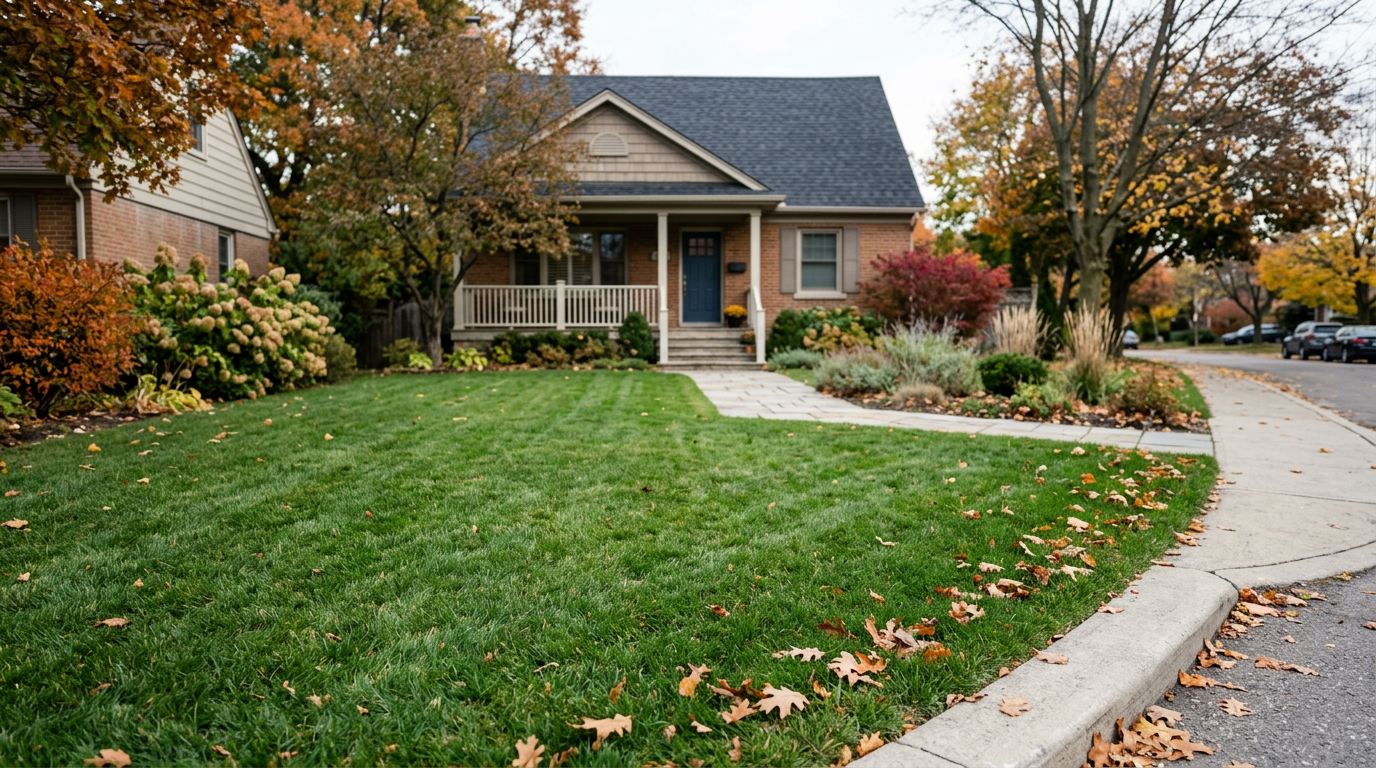
The Window for Aeration and Overseeding in Monroe County Closes in Weeks, Not Months
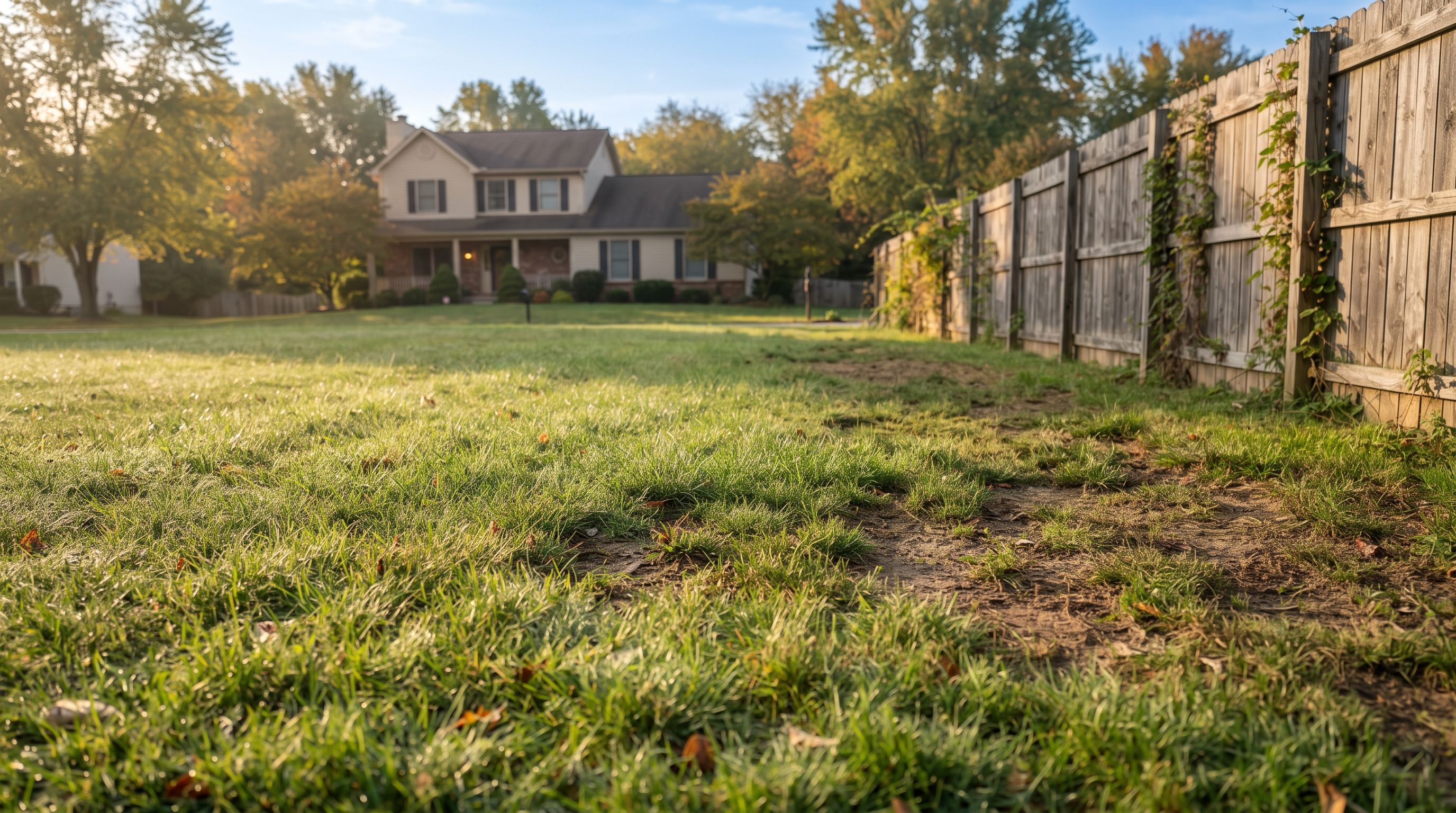
Most homeowners assume fall is a long, forgiving season for lawn recovery. It is not. By the time October arrives in Monroe County, soil temperatures have often dropped past the point where new seed can establish before winter shuts everything down. The actual window for productive aeration and overseeding is concentrated in the first two to three weeks of September, and it closes faster than most people expect. If you are standing in your yard right now looking at bare patches, compressed soil in high-traffic areas, or thinning sections that never recovered from July heat, this is not a reason to plan for next year. This is the moment.
For homeowners in Monroe County, aeration and overseeding in early September aligns with a narrow combination of conditions: soil still warm from summer, air temperatures cooling enough to reduce stress on new seedlings, and enough of the season remaining for root development before the first frost. All three conditions exist right now. In four to five weeks, only one of them will remain.
What Summer Actually Does to a Lawn Before You Notice It
The visible damage from summer shows up late. Thin turf, bare strips along fence lines, compressed soil in the areas where kids play or where foot traffic is constant, these conditions developed over months. The lawn did not fail in August. It was already declining in June, and August simply made it visible.
Heat and drought stress weaken the root system first. The grass blade persists longer than the root can sustain it. By the time bare soil appears, the surrounding turf is also operating with reduced root depth, which is why thin areas tend to spread rather than hold their edges.
Compacted soil compounds this. In high-traffic zones, the soil structure tightens over the season, reducing how much water and oxygen reach the root zone. A lawn that looks merely thin in those areas is often sitting on soil that cannot support recovery without physical intervention.
Seed Applied Too Early or Too Late Produces the Same Result
Timing does not just influence how well seed germinates. It determines whether germination happens at all.
Seed applied too early, while daytime temperatures are still high, faces heat stress during the critical germination phase. Germination rates drop. Seedlings that do emerge are fragile in conditions that favor stress over establishment.
Seed applied too late runs into the opposite problem. When soil temperatures fall below the threshold needed for consistent germination, the seed simply waits. It sits through winter and becomes exposed to freeze-thaw cycles, competition from early spring weeds, and predation from birds and soil organisms. The survival rate on late-seeded areas is significantly lower than most homeowners expect when they try to compensate by seeding in October.
Early September threads both of these. Soil holds enough warmth from summer to drive consistent germination, and cooling air temperatures reduce pressure on new seedlings. The result is a root system that has four to six weeks to anchor before dormancy.
Aeration Creates the Conditions Seed Actually Needs
Lawn aeration removes small cores of soil from the lawn, opening channels that allow air, water, and nutrients to reach the root zone. In a lawn that has not been aerated in one or more seasons, this step is not a complement to overseeding. It is a precondition for it.
Seed dropped onto compacted soil has limited contact with the profile it needs to establish in. Core aeration creates direct access points. Seed that falls into or near those channels germinates at a significantly higher rate than seed broadcast across a hard, closed surface.
We regularly see properties where overseeding was attempted in prior seasons without aeration, and the results were thin and uneven. The seed was applied correctly. The timing was reasonable. But the soil could not receive it. The aeration step is what makes overseeding produce consistent results rather than scattered ones.
Identify What Caused the Damage Before Seed Goes Down
Not every bare or thin area responds to seed the same way. Before committing to overseeding, it is worth identifying whether something other than summer stress caused the damage.
Grub activity produces irregular dead zones that pull away from the soil in patches. If you notice areas where the turf lifts or detaches, grub curative treatment may need to precede seeding. Seeding into an area with active grub pressure will not hold.
Bentgrass contamination creates a different problem. It appears as light-colored, mat-forming growth that does not blend with the surrounding turf. It does not respond to overseeding and is not corrected by it. If bentgrass is present, bentgrass control is the appropriate path before any seeding takes place.
Addressing these conditions first is not a delay. It is what prevents having to repeat the process next fall.
What Homeowners Ask Before They Schedule
I thought fall seeding meant October. Why does September matter more?
This is one of the most common assumptions we hear, and it makes sense given how broadly "fall" gets used in lawn care advice. The issue is that soil temperature and air temperature move in different directions in fall. Air cools faster. Soil holds warmth from summer longer, but not indefinitely. By mid to late October in Monroe County, soil temperatures often drop past the point of consistent germination. September, specifically early September, is when both conditions align.
My lawn looks okay in most areas. Is aeration still worth doing?
A lawn that looks generally acceptable in summer often has compaction and shallow root depth that become visible problems the following year. Aeration alone benefits most lawns regardless of visible damage. If thinning has already started, adding seed this fall prevents those areas from becoming open ground that weeds occupy in spring. The cost of correcting weed pressure later is consistently higher than addressing thin turf now. You can read more about how bare areas set up future weed problems in last season's lawn gaps often become this season's crabgrass pressure.
I had overseeding done two years ago and it barely took. What went wrong?
In most cases, one of two things happened: the seed went down without aeration, or it went down too late in the season. Seed broadcast across compacted soil without open channels has poor soil contact and low germination rates regardless of seed quality. Seed applied in October in Monroe County often never germinates at all that season. The process is not complicated, but the sequencing and timing have to be right for results to be consistent.
What happens to the new grass over winter?
Seedlings that establish in September develop enough root depth to survive dormancy. The lawn will not look lush in November, and that is expected. What matters is that the root system is in place. By the following May, properly established seed from a September application is indistinguishable from the surrounding turf.
Should I fertilize at the same time?
Yes. A fall fertilization application supports both existing turf and new seedlings heading into winter. It is a standard part of how we structure the fall round in our managed programs.
Schedule Before the Window Closes
September does not wait. The properties that see consistent results from aeration and overseeding are the ones that act in the first half of the month, not the ones that schedule when they find time in early October.
If your lawn carried damage through summer, bare areas, compacted zones, thinning sections that did not recover, now is the time to address it. Waiting until spring means watching those areas fill with weeds instead of grass.
Contact LawnLogic to schedule your aeration and overseeding service. We will evaluate your property, confirm the approach is right for your conditions, and get you on the schedule while the window is still open.
Explore More About Managing Your Lawn
Continue building your understanding of how structured lawn care supports long-term stability.