Your Lawn Looks Drought-Stressed in July. Watering More Is Not the Answer.
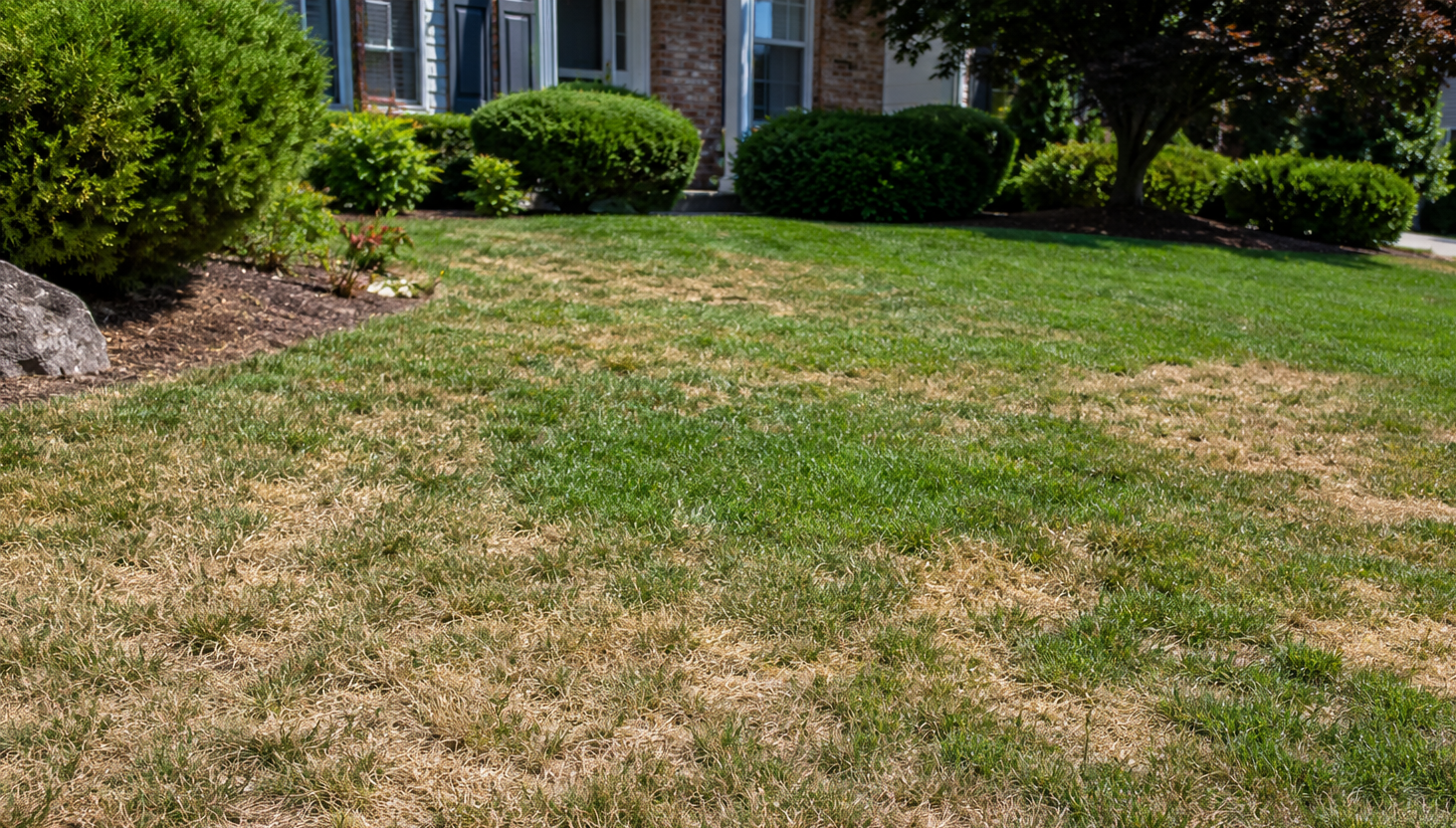
Watering more is the most common response to a struggling summer lawn. It is also the most commonly wasted effort. If the lawn looked uneven heading into June, thinned out through spring, or never fully recovered from last fall, no amount of irrigation in July will fix what spring management did not build. The lawn is not showing you a water shortage. It is showing you the result of a foundation that was never set.
For homeowners across Monroe County, this pattern repeats every summer. Properties without structured turf management arrive at July in the same condition: surface stress that looks like drought damage but traces back to root depth, soil density, and timing decisions made months earlier.
Watering Fixes the Surface. July's Problems Are Below It.
Water moves through the soil profile and becomes available to grass roots, but only if those roots have grown deep enough to reach it. Shallow root systems develop when turf is never pushed to seek moisture through proper seasonal management. They cannot chase moisture below the top inch or two of soil. When summer heat arrives and that surface layer dries out quickly, the grass wilts, discolors, and stresses.
The frustrating part: the lawn responds briefly after you water. It greens up slightly, then fades again within a day or two. That cycle is the clearest signal that something structural is wrong. Deep root systems recover and hold. Shallow systems cycle in and out of stress with each watering interval.
Spring Is When July Gets Decided
The root development window for cool-season turf closes before summer heat arrives. What happens in March, April, and May determines how well the lawn handles June through August. A properly timed fertilization program builds carbohydrate reserves in the plant. Soil conditioning improves the physical structure roots grow through. These are not cosmetic results. They are functional ones.
Lawns that enter spring without a structured program often get a single bag of big-box fertilizer applied too late, miss their pre-emergent window, and grow through the season on whatever remained in the soil from the previous year. By July, those lawns are already working from a deficit. The homeowner waters, maybe applies another product, and the lawn continues to decline.
Thin Areas in Summer Heat Almost Never Self-Correct
Thin turf in summer heat is not dormant. It is stressed, and stress accumulates. Grass plants weakened by shallow roots and soil competition from weeds or crabgrass will not recover when temperatures stay above 85 degrees.
We regularly evaluate properties where the homeowner has been watering on a consistent schedule and the lawn keeps getting worse. The issue is almost always layered: compacted soil limiting root depth, crabgrass or broadleaf weeds competing in thin zones, and no meaningful fertilization program in place. The lawn was never set up to respond to good watering practice because the underlying structure was not there.
Watering a structurally compromised lawn harder does not fix compaction, remove weed pressure, or restore the root depth the plant gave up earlier in the season.
Burn Patterns Follow a Logic. Reading Them Matters.
Grass does not stress randomly. Low spots with compaction dry faster and heat up faster. Areas where crabgrass has already colonized die back as crabgrass goes dormant in late summer, leaving bare soil that looks like burned grass. Slopes drain too quickly for shallow roots to capture moisture before it moves past them.
If your burn pattern follows the same zones every year, the lawn is giving you specific information about soil, drainage, or weed history in those locations. More water does not change any of those variables.
The Fall Response That Actually Changes Next Summer
Correcting a July problem requires a fall response, not a summer one. That matters because most homeowners do nothing in fall and then repeat the same summer. Aeration opens compacted soil and creates channels for root growth. Overseeding at the right time establishes new plant density before winter. A structured fertilization program through late summer and fall builds root reserves that carry into next spring.
Properties that go through a properly managed fall restoration program consistently arrive at the following July in a different condition. They hold color longer, recover from heat faster, and do not develop the same thin zones in the same locations.
What Homeowners Ask Us by the Time They Call
I have been watering three times a week and my lawn still looks burned. What am I doing wrong?
Likely nothing. You followed the advice that gets repeated everywhere. Watering frequency is a maintenance variable, not a corrective one. If the lawn was not built properly through spring management, consistent watering maintains what is there but cannot add what was never developed. July is not the right time to fix a spring problem. We can evaluate what is there and build a fall plan that changes your starting point next year.
Can I overseed now to fill in the thin spots?
Summer seeding in Monroe County almost never succeeds. Germination requires consistent soil moisture and temperatures in a range that summer heat disrupts. Seed applied now either fails to germinate, stresses immediately after germination, or gets displaced by crabgrass. September is the correct window. Doing it right once is better than doing it wrong twice.
I am worried that if I call now, I will be sold something that does not actually help until next year. Is that true?
It is a fair concern. There is not much that changes a July lawn before fall arrives. What a property evaluation does right now is give you specific information: what caused the condition, what soil or structural issues are present, and exactly what the fall program needs to address. You will not be handed a treatment plan designed to make the lawn look better next week. You will get a clear picture of what it needs and when to act on it.
LawnLogic Manages Turf Across the Full Season
If your lawn is struggling in July and watering has not helped, the issue began earlier in the year. LawnLogic builds structured turf management programs that address the conditions responsible for summer stress before they develop. Programs are coordinated across the full season, evaluated at each visit, and adjusted based on what we observe on your property.
Contact LawnLogic to schedule a property evaluation. You will get a direct assessment of what your lawn needs, what is causing the current condition, and exactly when to address it.
Explore More About Managing Your Lawn
Continue building your understanding of how structured lawn care supports long-term stability.